


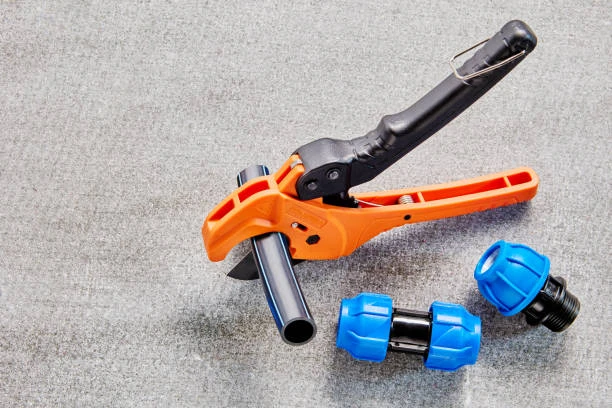
The performance of a cortador de tubos is crucial for ensuring efficient, precise, and smooth cuts in various types of pipes. Whether used in plumbing, construction, or industrial applications, the performance of a pipe cutter directly affects the quality of the cut, the ease of use, and the overall durability of the tool. This article explores the key factors that influence pipe cutter performance, including cutting efficiency, precision, ease of use, durability, and the materials used in the tool’s construction.
Cutting Efficiency
One of the most critical aspects of pipe cutter performance is its cutting efficiency. A high-performing pipe cutter should provide fast, smooth, and clean cuts with minimal effort. This efficiency depends on several factors, such as the cutting mechanism, the type of blade or cutting wheel, and the leverage provided by the tool.
Cutting Mechanism
Pipe cutters typically use a rotary cutting mechanism or a scissor-like action. Rotary pipe cutters feature a cutting wheel that rotates around the pipe, gradually scoring and cutting through the material. These cutters are highly efficient for making clean, precise cuts in pipes, especially for smaller diameters. On the other hand, scissor-type pipe cutters use two blades that work together to slice through the pipe. These cutters often provide more power for cutting thicker or harder materials, making them suitable for heavy-duty applications.
The cutting mechanism also influences the tool’s ability to handle different pipe materials. Some pipe cutters are designed to handle specific materials, such as PVC, copper, or steel, while others offer versatility across multiple materials. A well-designed cutter should be able to tackle a range of pipe materials without compromising cutting efficiency.
Blade or Cutting Wheel
The material and design of the blade or cutting wheel also affect cutting efficiency. High-quality cutting wheels made from hardened steel or carbide tend to stay sharper for longer, providing smooth cuts without the need for frequent blade replacements. Additionally, the size and shape of the blade influence how easily the cutter can slice through the material. A sharp, precisely shaped blade minimizes friction, which allows the cutter to work more efficiently and with less force.
Precision of Cuts
Precision is a key factor in pipe cutter performance. A high-performing pipe cutter should make clean, accurate cuts without causing deformation or damage to the pipe. The precision of the cut is especially important in plumbing and other industries where pipes must fit together securely, and any misalignment could lead to leaks or other issues.
Adjustability and Alignment
Pipe cutters with adjustable cutting wheels or blades offer better control over the depth and angle of the cut. Some models include guides or alignment features that help the user position the pipe accurately, ensuring that the cut is straight and even. These features are especially valuable when cutting pipes in tight spaces, where accuracy is essential for proper installation.
Certain pipe cutters also include a ratcheting mechanism, which allows the user to make incremental adjustments during the cutting process. This feature ensures that the user maintains consistent pressure and cutting speed, leading to a cleaner and more precise cut.
Clean Cuts
The quality of the cut is influenced by the tool’s design and the blade material. A high-quality pipe cutter should leave a clean, smooth cut with minimal burrs or jagged edges. Clean cuts are essential for ensuring that pipes fit together properly and securely when installed. Burrs or rough edges can compromise the integrity of the connection, leading to leaks or other issues. Pipe cutters with sharp, high-quality blades generally produce smoother cuts, which are easier to deburr and finish.
Facilidad de uso
The ease of use of a pipe cutter directly impacts the user experience. A tool that is easy to handle, control, and operate will improve efficiency and reduce user fatigue, especially when used for extended periods. The design of the handle, the weight of the tool, and the cutting action all play a role in determining how comfortable and convenient the cutter is to use.
Handle Design and Comfort
A comfortable and ergonomic handle design reduces strain and fatigue during use. Pipe cutters often feature handles made from materials like rubber or soft plastics to improve grip and reduce hand discomfort. An ergonomic handle shape follows the natural contours of the hand, providing a secure grip and preventing slippage, even when the user’s hands are wet or oily. Some pipe cutters also include adjustable handles that can be sized to fit the user’s hand, ensuring optimal comfort and control.
Tool Weight
The weight of the pipe cutter affects how easily it can be maneuvered. Lightweight models are generally easier to handle, especially for users working in tight or overhead spaces. However, a tool that is too light may lack the strength needed for cutting through tougher materials. Heavy-duty cutters, which are built to handle thicker pipes or more demanding materials, tend to be heavier but provide more cutting power. The ideal weight of a pipe cutter balances strength and maneuverability, depending on the user’s specific needs.
Cutting Force
Ease of use also depends on how much force is required to cut through the pipe. A pipe cutter with a ratcheting mechanism or spring-loaded action reduces the effort needed to complete the cut. Ratchet-type cutters, in particular, allow users to apply incremental pressure to the pipe, making it easier to cut through thick or tough materials without excessive force. The cutting action should feel smooth, with little resistance during the cutting process.
Durabilidad y longevidad
The durability and longevity of a pipe cutter are essential for maintaining its performance over time. A high-quality pipe cutter should withstand regular use without losing its effectiveness or requiring frequent repairs or replacements. The materials used in the construction of the cutter play a significant role in its overall durability.
Blade Material
The material used for the cutting blade or wheel affects how long the cutter will stay sharp and how well it can withstand wear and tear. Hardened steel and carbide blades are commonly used in high-performance pipe cutters because they are durable and maintain sharpness over time. These materials resist dulling, which means users can make more cuts without needing to replace the blade.
Tool Construction
The overall construction of the pipe cutter also contributes to its longevity. Quality pipe cutters are typically made from high-strength metals or reinforced plastic, ensuring that the tool can withstand heavy use without breaking or becoming damaged. Some models feature corrosion-resistant coatings to protect against rust, especially when used in damp or outdoor environments.
Heavy-duty models often have reinforced pivot points and locking mechanisms to prevent wear from frequent use. Tools with replaceable parts, such as blades or wheels, allow users to extend the life of the cutter without replacing the entire tool.
Compatibilidad con diferentes materiales de tubería
A pipe cutter’s performance is also determined by its ability to handle different pipe materials. Some cutters are designed specifically for certain types of pipes, such as PVC, copper, or steel, while others offer versatility across multiple materials.
Versatilidad
Versatile pipe cutters are designed to handle a variety of materials, including plastic, metal, and composite pipes. These cutters typically feature adjustable cutting mechanisms or interchangeable blades that allow users to switch between materials with ease. A versatile cutter provides the convenience of using one tool for different types of pipes, reducing the need to invest in multiple specialized tools.
Material-Specific Performance
Certain cutters are optimized for specific materials. For example, PVC cutters often feature sharp, precision blades that can easily slice through plastic without crushing or deforming the pipe. Copper pipe cutters typically have smooth, round blades that prevent damage to the pipe during the cutting process. Steel pipe cutters, on the other hand, are built with stronger cutting mechanisms to handle tougher materials. The performance of a pipe cutter depends on how well it is suited for the material it is intended to cut.
Conclusión
The performance of a pipe cutter is a combination of several factors, including cutting efficiency, precision, ease of use, durability, and compatibility with various pipe materials. A high-performing pipe cutter should provide fast, clean, and precise cuts with minimal effort, allowing users to complete tasks efficiently and safely. It should also be comfortable to use, reducing fatigue during extended use. Durability and longevity are important for ensuring the cutter remains effective over time, while compatibility with different materials adds versatility. By understanding these factors, users can select the right pipe cutter for their needs, ensuring optimal performance and a longer tool lifespan.
Norma internacional IFAN
Los productos IFAN cumplen con diversas normas reconocidas internacionalmente, lo que garantiza su calidad y rendimiento en diversas aplicaciones. Entre ellas se incluyen las normas ISO 15874, que definen las especificaciones para sistemas de tuberías de plástico; EN 15874, que cubre los requisitos para tuberías y accesorios de polietileno (PE) en sistemas de distribución de agua; ASTM F2389, que establece las normas para sistemas de tuberías de polietileno reticulado (PEX); DIN 8077/8078, que aborda las dimensiones y pruebas de tuberías de plástico; GB/T 18742, las normas nacionales chinas para tuberías y accesorios de plástico; y NBR 15884, una norma brasileña para sistemas de tuberías de PE y PEX. Estas certificaciones demuestran el compromiso de IFAN con el suministro de productos fiables y de alta calidad, de conformidad con los estándares internacionales de la industria.
Contacto
IFAN es un fabricante profesional con 30 años de experiencia, dedicado a la producción de tuberías, accesorios y válvulas de plástico de alta calidad. Nuestros productos incluyen válvulas de latón, válvulas PPR, así como diversos tubos y accesorios para satisfacer las diferentes necesidades de nuestros clientes. Ya sea que necesite tuberías de plomería y drenaje o válvulas, IFAN le ofrece una amplia gama de productos de alta calidad y económicos para apoyar sus proyectos. A continuación, encontrará nuestra información de contacto.
Responderemos su correo electrónico o fax dentro de las 24 horas.
Puede llamarnos en cualquier momento si tiene alguna pregunta sobre nuestra producción.
Para obtener más información, visite nuestro sitio web. https://www.ifanplus.com/
Por favor envíelo a: [email protected]
WhatsApp: +86 19857948982























