


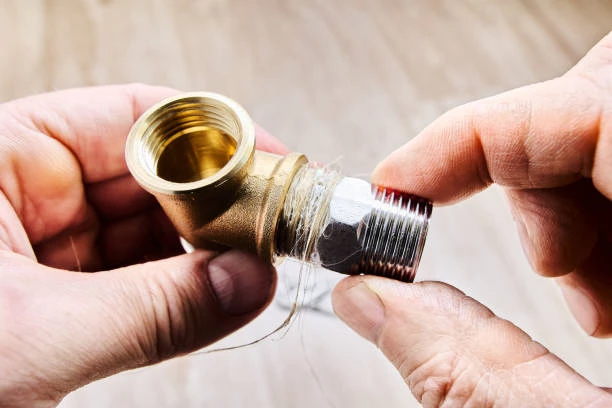
Accesorios de presión de latón have become a reliable and long-lasting solution for countless piping systems. Their durability, pressure-handling capabilities, and resistance to corrosion make them an excellent choice for residential, commercial, and industrial use. Whether you’re dealing with water, gas, or air, brass pressure fittings ensure a tight and secure connection that can withstand years of service. This article explains what makes these fittings unique, where they are used, how to choose and install them, and how they compare with other materials.
Preguntas frecuentes (FAQ)
Q1: What are brass pressure fittings used for?
Brass pressure fittings are used to connect pipes in systems that carry pressurized fluids or gases, such as water, air, and fuel.
Q2: Are brass pressure fittings safe for drinking water systems?
Yes, lead-free brass pressure fittings certified for potable water are safe and commonly used in household plumbing.
Q3: How long do brass pressure fittings last?
When installed correctly and used under normal conditions, they can last for decades—often over 40 years.
Q4: What pressures can brass fittings handle?
They can typically withstand pressures up to 1200 PSI, depending on the size, design, and application.
Q5: Do brass fittings rust over time?
No, brass does not rust. It resists corrosion and only forms a thin protective oxide layer when exposed to moisture.
What Are Brass Pressure Fittings? Definition and Key Features
Brass pressure fittings are mechanical components used to connect, redirect, or terminate sections of piping that transport pressurized substances. They are made from a copper-zinc alloy known for its strength, corrosion resistance, and machinability.
Características principales
- Resistencia a altas presiones
Brass pressure fittings are engineered to manage high-pressure systems without leaking or deforming. - Resistencia a la corrosión
Brass resists both internal and external corrosion, making it suitable for a wide range of fluids. - Thermal Versatility
These fittings perform well in both hot and cold environments, tolerating temperature swings without cracking or expanding excessively. - Sellado confiable
Their threading and compression mechanisms ensure secure, leak-free connections when properly installed. - Larga vida útil
Brass maintains its structural integrity over time, which reduces maintenance costs and system failures.
Typical Applications and Industries
Brass pressure fittings serve in numerous sectors thanks to their balance of strength, cost-effectiveness, and ease of use.
Plomería residencial
Homeowners use brass fittings to connect copper or PEX pipes in kitchens, bathrooms, and water heaters. They are favored for their clean look and ability to handle both hot and cold water.
Sistemas de plomería comercial
In schools, hospitals, and office buildings, brass fittings support larger-scale plumbing infrastructures by ensuring secure connections under varying pressure levels.
Sistemas de fluidos industriales
Factories and processing plants utilize brass fittings in hydraulic, pneumatic, and fuel systems, where pressure, vibration, and thermal fluctuations are common.
Sistemas HVAC
Heating and cooling systems rely on these fittings to carry water, refrigerants, or glycol-based fluids across indoor and outdoor units.
Marine and Automotive Applications
Due to their resistance to vibration, moisture, and temperature changes, brass fittings are common in vehicle and marine engine systems.
Agricultura y Riego
Farmers use them in irrigation lines and greenhouse systems where water pressure and outdoor exposure are factors.
Guía de compra: Cómo elegir los accesorios de presión de latón adecuados
Choosing the correct fitting is crucial for long-term system performance. Below are the main factors to consider.
1. Calidad del material
Always choose certified brass types such as CW617N or C69300, especially for potable water. These contain low or no lead and meet safety standards.
2. Fitting Type
Common types include:
- Accesorios de compresión: Simple to install with minimal tools, ideal for copper or plastic pipes.
- Accesorios roscados: Suitable for metal piping in higher-pressure applications.
- Accesorios de ajuste a presión: Offer quick installation, especially for tight spaces.
Choose the fitting type based on your pipe material and pressure conditions.
3. Sizing and Thread Standards
Ensure the fitting size matches your pipe diameter. Also, confirm that the thread type (such as NPT or BSP) is compatible with your system.
4. Certification and Compliance
Look for products certified under:
- NSF/ANSI 61 para agua potable
- CSA y UPC for North American compliance
- ISO y DIN for international projects
These ensure safety, reliability, and system compatibility.
5. Visual Indicators
Some fittings are color-coded or stamped to indicate their material type, pressure rating, or certification. Read the product information carefully.
6. Surface Quality
High-quality fittings should have smooth surfaces, clean threads, and consistent color. Avoid fittings with rough casting marks or dull finishes.
Consejos y consideraciones de instalación
Proper installation is essential to maximize the performance and lifespan of brass pressure fittings. Follow these tips for best results:
Prepare All Surfaces
Clean both the pipe and fitting surfaces to remove dirt, grease, or oxidation. This ensures proper contact and seal integrity.
Use Compatible Sealants
Apply PTFE (Teflon) tape or an approved pipe joint compound on threaded fittings. Do not over-apply, as this can lead to improper threading.
Align Carefully
Avoid cross-threading by aligning the fitting correctly before tightening. Cross-threading weakens the connection and can lead to leaks.
Apriete adecuadamente
Use the recommended torque values. Over-tightening may damage the fitting, while under-tightening may cause leaks.
Prueba de presión
After installation, perform a pressure test before regular operation. This helps detect any leaks or installation issues early on.
Brass Pressure Fittings vs Other Pipe Fitting Materials
Here’s a simple comparison of brass pressure fittings with plastic and stainless steel fittings based on common factors:
| Característica | Accesorios de presión de latón | Accesorios de plástico | Accesorios de acero inoxidable |
|---|---|---|---|
| Resistencia a la presión | Alto | Moderado | Muy alto |
| Resistencia a la corrosión | Excelente | Excellent (non-metallic) | Excelente |
| Tolerancia de temperatura | Amplia gama | Limitado | Muy amplio |
| Esperanza de vida | Muy largo | Short to Medium | Muy largo |
| Facilidad de instalación | Fácil | Muy fácil | Moderado |
| Costo | Medio | Bajo | Alto |
| Potable Water Use | Sí (si está certificado) | Sí | Sí |
| Appearance | Clean, Uniform | Basic | Shiny, Industrial |
Brass fittings offer a balance between affordability, ease of use, and performance. While stainless steel is more durable, it is also more expensive and harder to install. Plastic is cheaper but lacks the durability and pressure resistance of brass.
Conclusión
Brass pressure fittings are a practical, long-life solution for any high-pressure piping system. With excellent corrosion resistance, dependable sealing, and easy installation, they deliver outstanding value for both homeowners and professionals. From residential plumbing to industrial machinery, their versatility makes them a smart choice.
When selecting brass pressure fittings, always check the material quality, size, certification, and compatibility. By following proper installation practices and comparing alternatives, you can ensure safe, efficient, and durable system performance. With brass pressure fittings, you’re not just choosing a connection—you’re choosing lasting reliability.
Contacte con IFAN para catálogos y muestras
¿Necesita documentos técnicos, catálogos o muestras de productos? Contacte con IFAN hoy mismo.
📧 Correo electrónico: [email protected]
📱Whatsapp: +86 19857948982
Nuestro equipo responde rápidamente y brinda soporte profesional para todas sus necesidades de tuberías.
Norma internacional IFAN
Los sistemas de tuberías IFAN cumplen con una amplia gama de normas internacionales para garantizar una alta calidad y rendimiento. Entre ellas, se incluyen las normas ASTM F1974 y ASTM F1281 para sistemas de tuberías multicapa, CSA B137 para aplicaciones de plomería canadienses, DIN 16836 para especificaciones técnicas alemanas, GB18997 para normas chinas e ISO 21003, que abarca los sistemas de tuberías multicapa utilizados en instalaciones de agua caliente y fría. Este amplio alcance de certificación pone de manifiesto el compromiso de IFAN con el cumplimiento normativo global y la fiabilidad de sus productos.























