


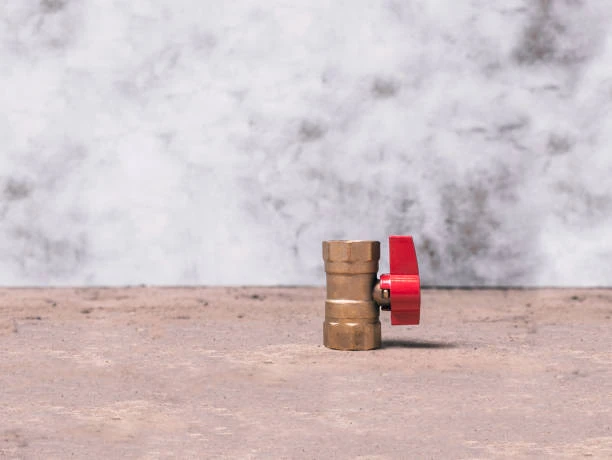
El válvula de bola de latón de 1 pulgada is a reliable and versatile component used to control fluid flow in plumbing, gas, and industrial systems. To ensure long-lasting performance and leak-free operation, correct installation is essential. This guide offers practical tips, key information, and professional insights for installing a 1 inch brass ball valve with precision. Whether you are working on a residential water line or a complex industrial setup, these installation recommendations will help you get the job done right the first time.
Preguntas frecuentes (FAQ)
- What tools do I need to install a 1 inch brass ball valve?
You typically need pipe wrenches, Teflon tape or pipe dope, and a pipe cutter or threader depending on your setup. - Can I install a 1 inch brass ball valve on both metal and plastic pipes?
Yes, you can. However, always ensure compatibility between valve threads and pipe type to avoid leakage or damage. - Do I need to shut off the main water or gas supply before installation?
Absolutely. Always shut off the system and release internal pressure before beginning installation work. - Should I use Teflon tape or pipe sealant during installation?
Both are acceptable. Teflon tape is convenient, while pipe sealant offers long-term durability. Avoid using both at once. - How do I ensure the valve is installed in the correct flow direction?
Check for a flow arrow on the valve body. Install it in the direction of fluid movement for optimal performance.
¿Qué es una válvula de bola de latón de 1 pulgada?
A 1 inch brass ball valve is a manually operated shut-off device designed to regulate the flow of fluids such as water, gas, and oil. It features a brass body and a hollow, rotating ball with a bore. When aligned with the pipe, the bore allows flow; when turned perpendicular, it stops flow instantly.
The valve operates with a simple quarter-turn mechanism, which provides a fast and efficient way to control fluid movement. Its 1 inch size corresponds to the nominal diameter of the pipe it connects to, making it suitable for medium-scale residential and industrial systems.
Características principales
Brass ball valves offer multiple technical advantages. First, the brass body provides excellent corrosion resistance and mechanical strength. Second, the internal ball, often chrome-plated, ensures smooth movement and tight sealing. Third, high-quality valves use PTFE or similar seats to eliminate leakage during operation. Lastly, many models include long lever handles for easy manual operation and better torque control.
These characteristics make the 1 inch brass ball valve a dependable choice in high-pressure, high-temperature, and multi-fluid systems.
Aplicaciones e industrias comunes
The 1 inch brass ball valve has a wide range of uses, both in homes and industries. It’s favored for its simplicity, durability, and compatibility with various fluid types. Let’s explore where and how it’s commonly applied.
Residential Uses
In households, these valves are often used in the main water supply, irrigation systems, or beneath sinks and toilets. Their quick shut-off ability helps isolate parts of the system for repair or maintenance without shutting down the entire water line.
In heating, ventilation, and air conditioning systems, brass ball valves help control water circulation in boilers and radiators. They also appear in pool plumbing and garden watering lines.
Usos comerciales e industriales
In factories, 1 inch brass ball valves manage the flow of gas, air, and oil in machinery. They’re also used in compressors, hydraulic circuits, and pneumatic lines. Food and beverage processing plants use lead-free brass variants to ensure safe, non-toxic operation.
In the gas industry, brass ball valves serve as safety components to stop flow instantly during system service or emergencies. Due to their reliability, they’re often used in fire suppression, marine equipment, and chemical handling systems as well.
Guía de compra: Cómo elegir la válvula de bola de latón de 1 pulgada adecuada
Choosing the right brass ball valve ensures long-term efficiency and safety. Various factors affect performance, installation ease, and compatibility with your system. Here’s how to make the right decision.
Composición del material
Ensure the valve is made of high-quality, corrosion-resistant brass. If you’re dealing with potable water, choose lead-free brass that complies with local health codes. For high-pressure or chemical applications, consider valves with a chrome-plated internal ball and reinforced PTFE seals.
Tipo de conexión
Most 1 inch brass ball valves come with threaded ends, either NPT or BSP. Make sure the threads match your pipe’s standard. You may also find compression or solder-end options, depending on whether you’re using copper, steel, or PEX piping.
Valve Handle Design
Long-lever handles offer more torque, which is useful in high-pressure systems. However, butterfly handles are better suited for tight spaces. Some valves include locking mechanisms for safety-critical installations.
Color and Identification
While not directly related to performance, handle colors help identify fluid types or valve functions. Red usually indicates hot water, blue for cold, and yellow for gas.
Certifications and Ratings
Choose valves certified by agencies such as NSF, UL, CSA, or WRAS, depending on your application. Check the pressure rating, usually in PSI, and temperature limits to ensure compatibility with your system.
Consejos de instalación para válvula de bola de latón de 1 pulgada
Proper installation ensures leak-free performance and extends the valve’s service life. Follow these practical tips for a safe and effective installation.
Step 1: Gather Tools and Materials
Before starting, prepare tools like adjustable wrenches, pipe cutter, Teflon tape or pipe thread sealant, and a clean cloth. Shut off the fluid supply and relieve pressure from the system.
Step 2: Inspect Valve and Pipes
Check the valve and pipe threads for dirt, debris, or defects. Make sure the valve turns smoothly and the threads are clean. Verify that you’re using the correct valve size and thread type.
Step 3: Apply Thread Sealant
Wrap Teflon tape clockwise around the male threads three to four times. Alternatively, apply a thin layer of pipe dope. Do not use both at the same time, as this could interfere with sealing.
Step 4: Align and Thread the Valve
Hand-thread the valve onto the pipe, making sure it’s aligned correctly. Use a wrench to tighten it securely without overtightening, which can crack the valve or damage threads.
Paso 5: Pruebe la válvula
Once installed, restore system pressure gradually. Open and close the valve several times to check for smooth operation. Inspect all connections for leaks. If necessary, tighten slightly to eliminate minor leaks.
Step 6: Secure and Label the Valve
If required, label the valve to indicate flow direction or fluid type. Secure the handle if working in a high-vibration environment to prevent accidental movement.
Properly installed brass ball valves operate smoothly for years and reduce the risk of emergency repairs.
1 Inch Brass Ball Valve vs Other Pipe Valve Materials
Choosing between brass and other materials depends on your system’s pressure, temperature, and fluid type. Here’s a quick comparison of common valve materials.
| Característica | válvula de bola de latón | Válvula de bola de PVC | Válvula de bola de acero inoxidable | válvula de bola de bronce |
|---|---|---|---|---|
| Resistencia a la corrosión | Alto | Moderado | Excelente | Alto |
| Tolerancia de temperatura | Medio-alto | Bajo | Muy alto | Alto |
| Clasificación de presión | Hasta 600 PSI | Hasta 150 PSI | Hasta 1000+ PSI | Hasta 600 PSI |
| Costo | Moderado | Bajo | Alto | Moderado-alto |
| Seguridad del agua potable | Opciones sin plomo | Algunos tipos | Excelente | Excelente |
| Facilidad de instalación | Fácil | Muy fácil | Moderado | Fácil |
| Peso | Medio | Luz | Pesado | Medio |
| Ideal Applications | Plomería, gas | Riego | Industrial, Química | Marine, HVAC |
As the table shows, brass strikes a balance between affordability and durability. PVC is best for low-pressure, non-corrosive systems. Stainless steel suits harsh environments, while bronze is excellent in marine applications.
Resumen
Installing a 1 inch brass ball valve is a straightforward process when done with the right tools and knowledge. This valve offers a reliable, long-lasting solution for controlling fluid flow in various systems. Its simple operation, durable brass construction, and wide range of applications make it a valuable component in both residential and industrial settings.
By understanding its features, evaluating system requirements, and following correct installation procedures, users can maximize the performance and lifespan of their brass ball valves. Whether you’re upgrading a household plumbing system or building a new commercial pipeline, these tips ensure that your valve operates efficiently and safely for years to come.
If you need further insights on maintenance, troubleshooting, or valve replacement, those topics can be explored in a separate guide. Let me know if you’d like to proceed.
Contacte con IFAN para catálogos y muestras
¿Necesita documentos técnicos, catálogos o muestras de productos? Contacte con IFAN hoy mismo.
📧 Correo electrónico: [email protected]
📱Whatsapp: +86 19857948982
Nuestro equipo responde rápidamente y brinda soporte profesional para todas sus necesidades de tuberías.
Norma internacional IFAN
Los sistemas de tuberías IFAN cumplen con una amplia gama de normas internacionales para garantizar una alta calidad y rendimiento. Entre ellas, se incluyen las normas ASTM F1974 y ASTM F1281 para sistemas de tuberías multicapa, CSA B137 para aplicaciones de plomería canadienses, DIN 16836 para especificaciones técnicas alemanas, GB18997 para normas chinas e ISO 21003, que abarca los sistemas de tuberías multicapa utilizados en instalaciones de agua caliente y fría. Este amplio alcance de certificación pone de manifiesto el compromiso de IFAN con el cumplimiento normativo global y la fiabilidad de sus productos.























