


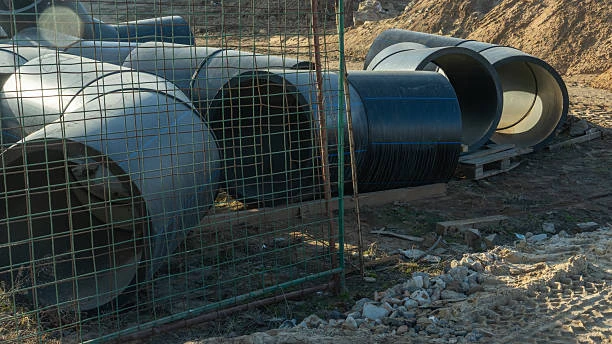
In today’s infrastructure and construction sectors, efficiency, reliability, and longevity define the standard for plumbing systems. Among the various materials available, HDPE has emerged as a high-performance solution, particularly in drainage applications. The term drenaje de plomería de HDPE now represents not just a type of piping, but a technological advancement in water management systems. With its proven durability, flexibility, and resistance to harsh conditions, HDPE plumbing offers unmatched performance for efficient drainage.
This article explores how HDPE contributes to superior drainage systems. From its unique physical properties to real-world applications, we will uncover why this material is now a leader in modern plumbing.
Entendiendo la plomería de HDPE
HDPE, or high-density polyethylene, is a thermoplastic material formed from petroleum. It is known for its high strength-to-density ratio, excellent flexibility, and chemical resistance. HDPE plumbing refers to pipe systems made from this material, used in various applications including water supply, gas distribution, and most notably, drainage.
Unlike traditional materials like concrete, steel, or PVC, HDPE offers a combination of properties that make it highly suitable for underground and surface drainage systems. It performs well under pressure, resists corrosion, and has a long operational lifespan.
The Need for Efficient Drainage
Efficient drainage is vital in both urban and rural environments. It ensures the safe removal of stormwater, greywater, and industrial runoff. Poor drainage systems can lead to flooding, structural damage, soil erosion, and environmental pollution. Therefore, selecting the right materials for these systems is critical.
This is where drenaje de plomería de HDPE makes a substantial impact. It helps streamline flow, minimize leakage, and reduce maintenance, all while enduring harsh environmental conditions.
Advantages of HDPE in Drainage Systems
The advantages of using HDPE for drainage plumbing are extensive. Each benefit contributes directly to a more efficient and reliable drainage system.
Alta flexibilidad
One of HDPE’s most celebrated features is its flexibility. It can bend without breaking and conforms easily to uneven terrain. This property is crucial in regions with unstable soils, frequent seismic activity, or extreme temperatures.
Flexible pipes also require fewer joints, which simplifies installation and reduces potential failure points.
Durabilidad superior
Durability plays a key role in long-term performance. HDPE is extremely resistant to abrasion, impact, and stress. In drainage applications where pipes carry sand, debris, and other abrasive particles, this resistance helps prevent wear and tear.
Additionally, HDPE does not rust, corrode, or degrade under normal environmental conditions, making it superior to metal or concrete in many scenarios.
Juntas sin fugas
One of the biggest concerns in drainage is leakage. Traditional pipes often rely on mechanical joints, which can weaken over time. HDPE pipes, however, can be joined using heat fusion. This method creates a monolithic system where the joints are as strong as the pipe itself.
Leak-free joints prevent water loss, soil erosion, and environmental contamination, enhancing the overall efficiency of the drainage system.
Resistencia química
Drainage systems often carry a variety of substances, including chemicals, oils, and detergents. HDPE is resistant to a broad range of chemical compounds, making it ideal for industrial and municipal drainage.
This chemical resistance protects the pipe’s integrity and ensures consistent performance regardless of what flows through it.
Ligero y fácil de instalar.
HDPE pipes are much lighter than metal or concrete pipes. Their lightweight nature makes them easier to transport and handle. This results in faster installation times and reduced labor costs.
In large-scale projects, using HDPE can significantly reduce the total construction timeline and minimize the need for heavy machinery.
Longevidad y bajo mantenimiento
A well-installed HDPE drainage system can last over with minimal maintenance. Its resistance to cracking, root intrusion, and chemical corrosion means fewer service interruptions and reduced operational costs.
This long-term performance makes HDPE an excellent investment for both public infrastructure and private development.
Alta eficiencia de flujo
HDPE pipes have an extremely smooth inner surface. This minimizes friction and allows water to flow more freely. The result is higher hydraulic efficiency and reduced risk of clogging.
This high flow capacity is particularly valuable during heavy rainfall or peak drainage periods, helping to prevent backups and flooding.
Aplicaciones de drenaje de HDPE en plomería
The flexibility and performance of HDPE make it suitable for a wide range of drainage applications across multiple industries.
Gestión de aguas pluviales urbanas
Cities face the challenge of managing large volumes of stormwater during rainy seasons. HDPE pipes are used in stormwater networks to channel water away from streets, roofs, and parking lots quickly and efficiently.
Their resistance to pollutants and debris ensures consistent performance even in the most demanding urban environments.
Sanitary Drainage Systems
Municipalities often rely on HDPE for sanitary sewer systems. It is particularly valuable in gravity drainage systems and vacuum-assisted networks. The leak-proof joints and chemical resistance make it ideal for transporting wastewater safely and reliably.
Drenaje agrícola
In agriculture, managing water levels is essential for crop health and soil conservation. HDPE drainage systems help remove excess groundwater from fields, preventing waterlogging and improving crop yields.
Because HDPE pipes are easy to lay across large distances and terrain, they are favored by farmers and agricultural engineers.
Industrial and Commercial Facilities
Factories and warehouses often produce wastewater containing oils, solvents, or industrial byproducts. HDPE plumbing handles these fluids without degrading, ensuring safe and effective drainage throughout the facility.
Its resistance to vibration and movement also makes it ideal for use in manufacturing environments.
Construction and Mining Operations
On construction sites and in mines, drainage HDPE plumbing is used to control surface runoff, remove groundwater, and transport sludge. Its strength and flexibility allow it to perform well under the tough conditions typical of these sites.
Técnicas de instalación
HDPE supports traditional open-trench installation as well as modern trenchless methods such as directional drilling and pipe bursting. Trenchless technology is especially useful in urban areas where excavation is disruptive.
These installation techniques minimize surface damage, reduce costs, and allow for quicker deployment of drainage systems. Because HDPE is so flexible and easy to weld, it is ideally suited for these advanced methods.
Cost Benefits Over Time
While the initial cost of HDPE may be slightly higher than some alternatives, its total cost of ownership is significantly lower. Here’s why:
- Faster installation reduces labor and equipment costs.
- Fewer repairs mean lower maintenance expenses.
- Long lifespan eliminates the need for frequent replacements.
- Resistance to damage reduces insurance and risk costs.
Over the life of a project, these savings add up and make HDPE one of the most cost-effective materials for drainage systems.
Sostenibilidad e Impacto Ambiental
Environmental sustainability is a growing concern for governments, businesses, and communities. HDPE supports sustainability in several ways:
- It is fully recyclable and can be reused in new piping systems.
- It reduces the risk of leaks and soil contamination.
- Its long service life conserves resources by minimizing replacement frequency.
- Lightweight materials lower fuel consumption during transport.
For projects aiming to meet green building standards or reduce their carbon footprint, HDPE is a logical and responsible choice.
Standards and Certifications
Drainage HDPE plumbing systems are manufactured in accordance with international standards. These include ASTM, ISO, and EN specifications depending on the region and application.
Compliance with these standards ensures consistent product quality, safety, and performance, providing peace of mind to engineers and contractors.
Desafíos y consideraciones
While HDPE offers numerous advantages, there are a few considerations to be aware of:
- Skilled labor is required for fusion welding.
- Proper training and tools are necessary to achieve strong, uniform joints.
- HDPE can be sensitive to UV radiation if left exposed for long periods, though UV-resistant grades are available.
These challenges can be easily addressed through proper planning and the use of trained personnel.
Perspectivas de futuro
The future of drenaje de plomería de HDPE looks promising. Innovations in material science and pipe manufacturing continue to enhance its performance and versatility. Smart HDPE systems that monitor flow, pressure, and structural integrity are also under development.
As infrastructure needs grow and sustainability becomes a top priority, HDPE is expected to become even more widespread. Governments and private developers are increasingly recognizing its value in long-term planning.
Conclusión
HDPE has transformed how we approach drainage in modern plumbing. Its strength, flexibility, and resilience make it a top choice for systems that must perform reliably over decades. From urban storm drains to industrial facilities and agricultural fields, HDPE provides efficient, sustainable, and cost-effective drainage solutions.
With so many clear advantages, drenaje de plomería de HDPE is more than a trend—it is a foundational technology for the future of water management. Choosing HDPE means investing in performance, safety, and environmental responsibility for generations to come.
Norma internacional IFAN
Los productos de tuberías de polietileno de IFAN cumplen con una amplia gama de normas internacionales para garantizar la calidad, la seguridad y la compatibilidad en los mercados globales. Estas incluyen las normas ASTM D3035, ASTM D3350, ISO 4427, EN 12201, DIN 8074/8075, GB/T 13663, AS/NZS 4130, JIS K6760, BS 6572 y CSA B137.1, entre otras. Este cumplimiento exhaustivo refleja el compromiso de IFAN de ofrecer soluciones de tuberías fiables que satisfagan los diversos requisitos técnicos del suministro de agua, la distribución de gas y las aplicaciones industriales en todo el mundo.
Contacto
IFAN es un fabricante profesional con 30 años de experiencia, dedicado a la producción de tuberías, accesorios y válvulas de plástico de alta calidad. Nuestros productos incluyen válvulas de latón, válvulas PPR, así como diversos tubos y accesorios para satisfacer las diferentes necesidades de nuestros clientes. Ya sea que necesite tuberías de plomería y drenaje o válvulas, IFAN le ofrece una amplia gama de productos de alta calidad y económicos para apoyar sus proyectos. A continuación, encontrará nuestra información de contacto.
Responderemos su correo electrónico o fax dentro de las 24 horas.
Puede llamarnos en cualquier momento si tiene alguna pregunta sobre nuestra producción.
Para obtener más información, visite nuestro sitio web. https://www.ifanplus.com/
Por favor envíelo a: [email protected]
WhatsApp: +86 19857948982























