


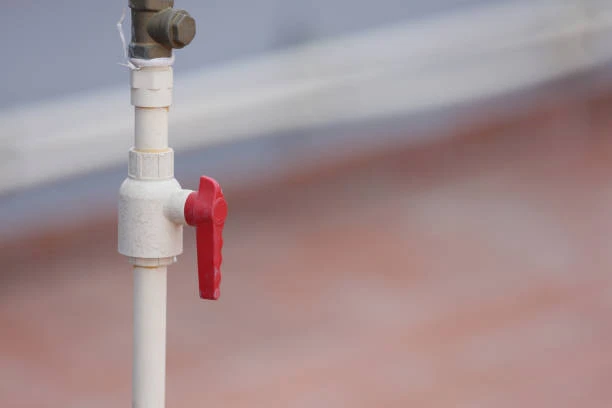
válvulas de bola de plástico PVC have become essential components in many fluid control systems. They are widely used in plumbing, irrigation, water treatment, and various industrial processes. One of the most important functions of any valve is flow control — the ability to regulate the amount of fluid passing through a pipeline. Understanding how PVC plastic ball valves handle flow control is key to selecting and using them effectively.
In this article, we will explore the design and operational principles of PVC ball valves, focusing especially on their role in flow control. We will also discuss the advantages and limitations of these valves, installation best practices, and tips to optimize flow regulation.
Understanding PVC Plastic Ball Valves
Before diving into flow control, it is useful to understand the basic structure and operation of PVC plastic ball valves.
A ball valve consists of a spherical ball with a bore (hole) through its center, housed inside a valve body. When the bore aligns with the pipe, fluid flows freely. When the ball rotates 90 degrees, the bore is perpendicular to the pipe, stopping flow completely.
PVC plastic ball valves use polyvinyl chloride (PVC) for the valve body and components, offering resistance to corrosion, chemicals, and wear. These valves are lightweight and cost-effective compared to metal counterparts.
Flow Control Principles of Ball Valves
Full Open or Full Closed by Design
Ball valves are fundamentally designed for on/off control, providing a tight seal when closed and virtually unrestricted flow when open. In the fully open position, the bore matches the pipe diameter, causing minimal pressure drop.
However, the ball valve can also be partially opened to regulate flow rate. Turning the handle between 0° and 90° positions the ball’s bore partially in the flow path, reducing the effective flow area.
Características de flujo
The flow characteristic of a ball valve is typically quick-opening or equal-percentage. This means small handle movements near the closed position cause significant changes in flow, whereas near fully open, flow changes little with handle movement.
Because of this rapid change in flow for small movements, ball valves are less suited for fine throttling compared to globe valves or needle valves.
Potential for Flow Turbulence and Cavitation
When partially open, the sharp edges of the ball’s bore can cause flow turbulence. Additionally, high-velocity fluids passing through a restricted opening may lead to cavitation. These effects can cause noise, vibration, and eventual wear on valve components.
Therefore, while PVC ball valves can control flow, their use in throttling applications must be carefully evaluated.
Advantages of PVC Plastic Ball Valves in Flow Control
Despite some limitations, PVC plastic ball valves offer several benefits for flow control in many applications.
1. Low Pressure Drop When Fully Open
When open, the valve’s straight-through bore provides minimal resistance. This feature helps maintain system efficiency by reducing energy losses in fluid transport.
2. Corrosion and Chemical Resistance
PVC’s resistance to many chemicals prevents internal valve damage or buildup that could obstruct flow. This stability helps maintain predictable flow control over long service life.
3. Lightweight and Easy to Operate
The light weight and simple quarter-turn handle operation allow quick adjustments to flow. This responsiveness is useful in irrigation or water distribution systems where frequent flow changes may be necessary.
4. Rentabilidad
Compared to metal valves, PVC ball valves are generally less expensive. Their affordability allows for installation of multiple valves for zoned or localized flow control.
5. Versatile Connection Types
PVC ball valves come with various connection options such as socket, threaded, or flange ends, facilitating easy integration into different pipeline systems and improving installation flexibility.
Limitations and Considerations in Flow Control
While PVC plastic ball valves offer useful flow control capabilities, users should be aware of some limitations.
1. Not Ideal for Precise Throttling
Because ball valves have a quick-open characteristic, precise flow regulation is difficult. Small changes near the closed position result in large flow variations, which may not suit applications requiring fine adjustments.
2. Potential Wear Under Throttling Conditions
Operating the valve in partially open positions for extended periods can cause wear on the ball and seats due to turbulence and cavitation. This wear may lead to leaks or increased torque needed to operate the valve.
3. Flow Noise
High flow velocities through partially open ball valves can produce noise, which may be undesirable in residential or office environments.
4. Pressure and Temperature Limits
PVC valves have lower pressure and temperature limits compared to metal valves. Exceeding these limits can affect valve integrity and flow control performance.
Best Practices for Flow Control with PVC Plastic Ball Valves
To maximize flow control effectiveness and valve longevity, consider these practical tips.
1. Use for On/Off or Coarse Flow Adjustment
Because ball valves excel in quick on/off and coarse flow control, use them primarily for these purposes. For fine throttling, combine them with other flow control devices like globe valves or flow regulators.
2. Select Proper Valve Size
Choosing the correct valve size ensures balanced flow rates and manageable handle torque. Undersized valves cause excessive pressure drops, while oversized valves may lack control sensitivity.
3. Install Valves in Accessible Locations
Position valves where operators can easily adjust them. Adequate space around the valve allows smooth handle movement and visual confirmation of position.
4. Monitor for Signs of Wear
Regularly inspect valves used for throttling to detect leaks, increased operating torque, or flow irregularities. Replace or repair components as needed to maintain proper control.
5. Avoid Excessive Partial Opening
Try to minimize use of the valve in partially open positions for prolonged periods. When precise control is needed, use purpose-built flow control valves instead.
Applications of Flow Control Using PVC Ball Valves
1. Irrigation Systems
In irrigation, PVC ball valves regulate water flow to different zones or sections. Their ease of use allows farmers or landscapers to quickly adjust water delivery according to crop needs or weather conditions.
2. Residential Plumbing
PVC ball valves control water supply to appliances or fixtures. Their reliable shutoff and simple flow adjustments facilitate routine maintenance and minor repairs without shutting down entire systems.
3. Water Treatment Plants
Valves control flow between treatment stages or direct water for filtration and chemical dosing. PVC ball valves provide cost-effective, corrosion-resistant solutions for such applications.
4. Aquariums and Hydroponics
In hobby or commercial aquariums and hydroponic farms, PVC valves regulate nutrient or water flow precisely. The chemical resistance of PVC is especially valuable in these environments.
5. Industrial Processes
PVC ball valves handle various chemicals and fluids in light industrial settings, enabling flow control while resisting corrosion and reducing operational costs.
Enhancing Flow Control Performance
To improve flow control performance, several enhancements can be considered.
1. Actuation
Adding manual gear operators, electric, or pneumatic actuators allows precise valve positioning. Automated control enables remote operation and integration with control systems.
2. Flow Meters and Sensors
Combining valves with flow meters and sensors provides real-time data on flow rates, enabling better system management and automated adjustments.
3. Valve Position Indicators
Position indicators show the exact degree of valve opening. This feedback helps operators achieve desired flow settings more accurately.
4. Multi-Port Ball Valves
Multi-port designs enable complex flow routing and control within a single valve body, improving system compactness and efficiency.
Installation Tips for Optimizing Flow Control
Proper installation plays a crucial role in valve performance.
- Asegúrese de que la alineación sea adecuada: Misaligned valves cause sealing issues and operational resistance.
- Avoid Excessive Torque: Use the correct tools and avoid over-tightening connections.
- Provide Support: Support piping near valves to reduce mechanical stress.
- Test Operation: After installation, cycle valves fully to verify smooth movement and sealing.
Mantenimiento y solución de problemas
Routine maintenance helps sustain effective flow control.
- Clean Valve Internals: Remove debris or buildup that restricts flow or causes sticking.
- Lubricar las piezas móviles: Use compatible lubricants to maintain smooth operation.
- Replace Worn Seals: Leaks or increased torque often result from seal degradation.
- Check for UV Damage: Protect outdoor valves from sunlight to prevent PVC degradation.
Conclusión
PVC plastic ball valves offer valuable flow control capabilities in many systems. Their simple quarter-turn operation, chemical resistance, and low cost make them well-suited for on/off and coarse flow regulation. However, users must recognize their limitations in precise throttling and potential wear under partial opening conditions.
By selecting the right valve size, installing properly, and following best practices, operators can achieve effective flow control while maximizing valve lifespan. When combined with automation and measurement technologies, PVC ball valves become even more powerful tools in managing fluid systems.
Ultimately, understanding the flow control characteristics of PVC plastic ball valves helps users make informed choices that balance performance, cost, and operational ease.
Norma internacional IFAN
Los productos IFAN cumplen con una amplia gama de normas internacionales, lo que garantiza su calidad y fiabilidad en diferentes mercados. Estas normas incluyen ASTM D2846, DIN 8079/8080, ASTM F441/F441M SCH80, diversas especificaciones DIN, las normas de la serie GB/T 18993, AS/NZS 1477, CSA B137.6, NSF/ANSI 14 y TIS 17-2532/1131-2535. Este amplio cumplimiento demuestra el compromiso de IFAN con el cumplimiento de los requisitos globales y la entrega de productos que cumplen con los más estrictos criterios de rendimiento y seguridad.
Contacto
IFAN es un fabricante profesional con 30 años de experiencia, dedicado a la producción de tuberías, accesorios y válvulas de plástico de alta calidad. Nuestros productos incluyen válvulas de latón, válvulas PPR, así como diversos tubos y accesorios para satisfacer las diferentes necesidades de nuestros clientes. Ya sea que necesite tuberías de plomería y drenaje o válvulas, IFAN le ofrece una amplia gama de productos de alta calidad y económicos para apoyar sus proyectos. A continuación, encontrará nuestra información de contacto.
Responderemos su correo electrónico o fax dentro de las 24 horas.
Puede llamarnos en cualquier momento si tiene alguna pregunta sobre nuestra producción.
Para obtener más información, visite nuestro sitio web. https://www.ifanplus.com/
Por favor envíelo a: [email protected]
WhatsApp: +86 19857948982























