


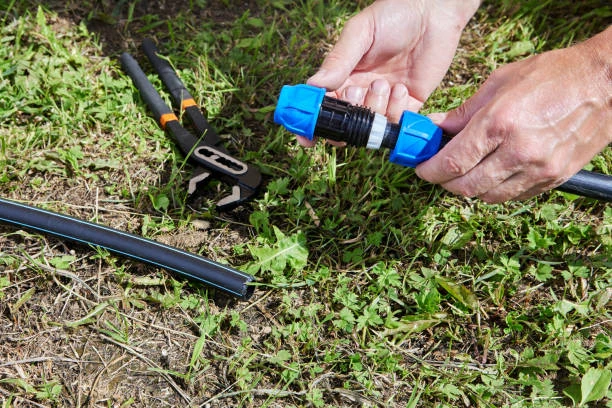
The convenience of HDPE (High-Density Polyethylene) pipe fittings has significantly contributed to their growing use in a wide variety of industries, including water distribution, sewage systems, agriculture, construction, and industrial applications. HDPE fittings offer several advantages over traditional pipe materials such as steel, copper, and concrete. These advantages primarily stem from their ease of installation, flexibility, durability, cost-effectiveness, and environmental friendliness. In this article, we will explore the various aspects that make HDPE pipe fittings an attractive choice for modern piping systems.
Introduction to HDPE Pipe Fittings
HDPE pipe fittings are components used to connect, control, and manage the flow of fluids through HDPE piping systems. They come in various shapes, sizes, and configurations, including elbows, tees, reducers, couplings, and flanges. Made from high-density polyethylene, these fittings are designed to work seamlessly with HDPE pipes, offering a range of benefits for fluid transport applications.
The growing popularity of HDPE pipe fittings stems from their superior performance and cost-effectiveness. Whether used in residential, commercial, or industrial installations, HDPE fittings play an essential role in ensuring reliable and efficient plumbing and fluid transport systems. Their versatility in both large and small-scale applications makes them indispensable in a wide range of industries.
Facilidad de instalación
One of the most significant advantages of HDPE pipe fittings is their ease of installation. Compared to traditional piping materials such as steel or cast iron, HDPE fittings are lightweight, reducing the complexity and time required for installation.
1. Lightweight and Easy to Handle
HDPE fittings are lightweight, making them easier to transport and handle during installation. This characteristic reduces the labor needed to move and manipulate the fittings on the job site. It also lowers the risk of injury, as workers do not need to lift and maneuver heavy materials.
2. Simplified Joining Methods
Joining HDPE pipe fittings to HDPE pipes is simpler than joining other materials, thanks to a range of connection techniques. These methods include butt fusion, electrofusion, and socket fusion, all of which do not require specialized tools or skilled labor. The ease with which these joining methods can be executed leads to faster installation times and fewer chances of error during assembly.
- Fusión de glúteos: This process involves heating the ends of two HDPE pipes and then pressing them together. The heated ends melt and fuse, forming a strong and leak-proof bond.
- Electrofusión: In this method, an electrical current is used to heat a fitting that is pre-fitted to the pipes. The heat generated melts the surface of the pipes and fittings, creating a permanent bond.
- Fusión de sockets: This process involves heating the ends of the pipes and inserting them into the fitting. After cooling, the connection becomes a permanent bond.
Each of these methods ensures a secure and tight seal between the pipes and fittings, reducing the chances of leaks and increasing the overall reliability of the system.
3. No Need for Welding or Threading
Unlike metal pipe systems that require welding or threading for connections, HDPE pipes and fittings eliminate these processes, saving both time and money. This feature reduces the amount of skill required for installation, making HDPE pipe fittings a popular choice for both professionals and DIY enthusiasts.
Durabilidad y larga vida útil
The durability of HDPE pipe fittings significantly enhances their convenience. HDPE is a robust material that resists wear and tear, corrosion, and chemical damage, making HDPE pipe fittings ideal for long-term use.
1. Corrosion Resistance
Unlike metal pipes, which are susceptible to rust and corrosion, HDPE pipe fittings are highly resistant to both environmental and chemical corrosion. This resistance ensures that the fittings will maintain their integrity for an extended period, even in harsh environments.
In industries such as water treatment, agriculture, and sewage systems, where the piping systems come into contact with a variety of chemicals, HDPE pipe fittings offer unparalleled durability. The absence of corrosion increases the reliability of the entire piping system, reducing the frequency of repairs and replacements.
2. Resistance to Abrasion and Impact
HDPE fittings possess excellent abrasion resistance, allowing them to withstand rough handling and high-flow conditions. This durability ensures that the fittings will last longer without significant damage, even when subjected to constant wear.
Furthermore, HDPE’s impact resistance prevents cracking or breaking under pressure, making it ideal for applications where pipes experience frequent movement or stress. This added durability leads to fewer service interruptions, less maintenance, and fewer replacement costs.
3. Long Service Life
With their superior durability, HDPE pipe fittings offer an extended service life. Properly installed and maintained, these fittings can last for decades. The long lifespan of HDPE systems reduces the need for frequent replacement, which is both cost-effective and environmentally beneficial. The long-term savings provided by HDPE pipe fittings contribute to their convenience and widespread use.
Costo-efectividad
Another significant benefit of HDPE pipe fittings is their cost-effectiveness. Compared to traditional materials like copper or steel, HDPE fittings are significantly less expensive to manufacture, transport, and install. These savings are passed on to the consumer, making HDPE fittings an attractive option for budget-conscious projects.
1. Lower Material and Labor Costs
The cost of materials for HDPE fittings is lower than other materials, making them a more affordable option. Additionally, because HDPE fittings are easier to handle and install, labor costs decrease. The elimination of welding or threading requirements, as well as the reduction in installation time, leads to lower overall project expenses.
2. Fewer Maintenance Costs
The long service life and resistance to corrosion, abrasion, and impact mean that HDPE pipe fittings require less maintenance. With fewer repairs and replacements needed, operational costs are kept low over the lifespan of the system. This cost-effectiveness is especially important in large-scale infrastructure projects, where ongoing maintenance costs can add up over time.
3. Reduced Transportation Costs
The lightweight nature of HDPE fittings reduces transportation costs compared to heavier materials like metal fittings. As HDPE fittings are easier to ship, this factor further lowers the total cost of using HDPE systems in projects.
Beneficios ambientales
The environmental impact of using HDPE pipe fittings is minimal compared to traditional materials. HDPE is a recyclable material, contributing to sustainability efforts in the construction and infrastructure industries. Using HDPE pipe fittings reduces the overall environmental footprint of a project in several key ways.
1. Recyclability
HDPE fittings are recyclable, which means they can be repurposed at the end of their life cycle. This contributes to the reduction of waste in landfills and supports the growing trend of sustainable construction practices. Many municipalities and industries choose HDPE fittings for this very reason, as it allows them to meet environmental regulations and sustainability goals.
2. Energy Efficiency
The lightweight nature of HDPE fittings also plays a role in reducing the environmental impact. Less energy is required to transport HDPE fittings, and the process of manufacturing these fittings consumes less energy compared to metal alternatives. This contributes to the overall energy efficiency of the construction and installation processes.
3. Reduced Carbon Footprint
The reduced need for transportation and installation time, coupled with the recyclability of HDPE, helps lower the carbon footprint of a project. These environmental advantages make HDPE fittings an increasingly popular choice for eco-conscious projects aiming to minimize their impact on the environment.
Flexibilidad y versatilidad
HDPE pipe fittings are highly versatile and can be used in a wide range of applications. Their flexibility makes them suitable for both small-scale residential installations and large industrial projects.
1. Adaptability to Various Applications
HDPE fittings are used in a variety of sectors, including water distribution, wastewater treatment, mining, agriculture, and oil and gas. Their flexibility allows them to accommodate various system requirements, making them a one-size-fits-all solution for many industries. Whether used for potable water systems or industrial fluid transport, HDPE fittings provide consistent performance across different environments.
2. Easy Integration with Existing Systems
HDPE fittings can be easily integrated into existing piping systems. Whether upgrading a system or expanding an infrastructure, HDPE fittings offer a seamless transition between old and new materials. This ease of integration is a significant advantage in industries that require periodic upgrades or maintenance.
Conclusión
HDPE pipe fittings offer numerous advantages that make them convenient, cost-effective, and highly efficient for various applications. The ease of installation, durability, cost-effectiveness, and environmental friendliness of HDPE pipe fittings contribute to their growing popularity in industries worldwide. Their flexibility and versatility ensure that they are an ideal choice for both small and large-scale projects, making them indispensable in modern piping systems.
With their long service life, resistance to corrosion and abrasion, and environmental benefits, HDPE pipe fittings provide a reliable and sustainable solution for fluid transport systems. As industries continue to prioritize efficiency, sustainability, and cost savings, the use of HDPE pipe fittings will undoubtedly remain a convenient and advantageous choice.
Norma internacional IFAN
Los productos de HDPE de IFAN cumplen con diversas normas internacionales, lo que garantiza su calidad, durabilidad y fiabilidad. Estas normas incluyen la ASTM D3035 y la ASTM D3350, que definen las especificaciones para tuberías y materiales de polietileno (PE). Las series ISO 4427 y EN 12201 establecen estándares globales para las tuberías de PE utilizadas en sistemas de suministro de agua. Además, las normas DIN 8074/8075 y GB/T 13663 establecen los requisitos de rendimiento y dimensiones para las tuberías de HDPE en los mercados europeo y chino. Otras normas reconocidas, como la AS/NZS 4130 (Australia/Nueva Zelanda), la JIS K6760 (Japón), la BS 6572 (Reino Unido) y la CSA B137.1 (Canadá), demuestran aún más el compromiso de IFAN con el cumplimiento de las normativas del sector a nivel mundial.
Contacto
IFAN es un fabricante profesional con 30 años de experiencia, dedicado a la producción de tuberías, accesorios y válvulas de plástico de alta calidad. Nuestros productos incluyen válvulas de latón, válvulas PPR, así como diversos tubos y accesorios para satisfacer las diferentes necesidades de nuestros clientes. Ya sea que necesite tuberías de plomería y drenaje o válvulas, IFAN le ofrece una amplia gama de productos de alta calidad y económicos para apoyar sus proyectos. A continuación, encontrará nuestra información de contacto.
Responderemos su correo electrónico o fax dentro de las 24 horas.
Puede llamarnos en cualquier momento si tiene alguna pregunta sobre nuestra producción.
Para obtener más información, visite nuestro sitio web. https://www.ifanplus.com/
Por favor envíelo a: [email protected]
WhatsApp: +86 19857948982























