


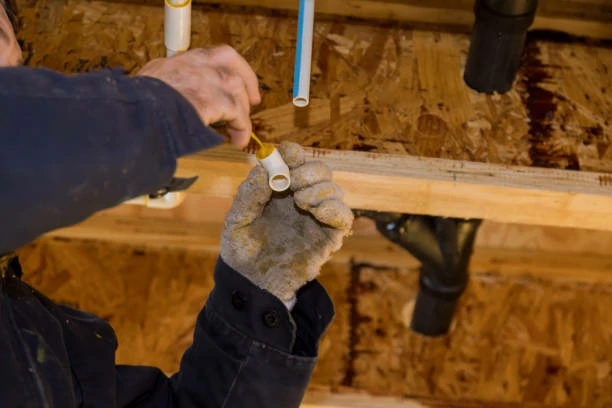
CPVC (Chlorinated Polyvinyl Chloride) is a popular material used for piping systems due to its durability, chemical resistance, and ease of installation. Among the various types of CPVC fittings, the CPVC elbow is an essential component that plays a crucial role in directing the flow of fluids within a piping system. This article provides a comprehensive overview of CPVC elbow fittings, covering their design, applications, benefits, and installation considerations.
Design and Structure of CPVC Elbows
Composición del material
- CPVC Material: CPVC is a thermoplastic material that has undergone chlorination to enhance its chemical resistance and temperature tolerance. This material is more resistant to heat and chemicals compared to standard PVC, making it suitable for various industrial and residential applications.
- Resistencia química: CPVC elbows are designed to resist corrosion and degradation caused by chemicals, making them ideal for systems transporting corrosive fluids or chemicals.
Elbow Types
- Standard Elbow: The standard CPVC elbow typically features a 90-degree angle, allowing for a sharp change in direction in a piping system.
- Reducing Elbow: This type of elbow features a transition from a larger to a smaller pipe diameter, accommodating changes in pipe size while maintaining a smooth flow of fluids.
- Long Radius Elbow: With a larger bend radius, the long radius elbow provides a smoother transition and reduces flow turbulence, making it suitable for applications requiring minimal pressure loss.
- Short Radius Elbow: The short radius elbow has a smaller bend radius, which is used when space is limited, though it may increase turbulence and pressure drop.
Dimensions and Sizes
CPVC elbows come in various sizes to match different pipe diameters and system requirements. The dimensions typically follow industry standards to ensure compatibility with other piping components.
Benefits of CPVC Elbows
Resistencia química
- Resistencia a la corrosión: CPVC elbows are highly resistant to corrosion from a wide range of chemicals, including acids, bases, and salts. This resistance extends the lifespan of the piping system and reduces maintenance needs.
- Suitable for Aggressive Fluids: The chemical resistance of CPVC makes it ideal for handling aggressive fluids that would corrode other materials, such as metal or standard PVC.
Tolerancia de temperatura
- Resistencia al calor: CPVC can withstand higher temperatures compared to standard PVC. CPVC elbows are designed to operate effectively in temperatures up to 90°C (194°F), making them suitable for hot water systems and other high-temperature applications.
- Expansión térmica: CPVC elbows can handle thermal expansion and contraction better than some other materials, reducing the risk of deformation or failure under temperature fluctuations.
Facilidad de instalación
- Simple Joining: CPVC elbows are joined using solvent cement, which creates a strong and leak-proof connection. The process is straightforward and requires minimal equipment.
- Ligero: CPVC is lighter than metal alternatives, making handling and installation easier. The reduced weight also reduces the load on supporting structures.
Durabilidad
- Larga vida útil: The resistance to corrosion, chemicals, and temperature fluctuations ensures that CPVC elbows have a long service life, even in demanding conditions.
- Resistencia al impacto: CPVC elbows are designed to resist impacts and mechanical stress, maintaining their integrity in various operational environments.
Applications of CPVC Elbows
Sistemas de plomería
- Hot and Cold Water Supply: CPVC elbows are commonly used in residential and commercial plumbing systems to direct hot and cold water flow. Their temperature and chemical resistance make them suitable for use in both domestic and industrial water systems.
Procesamiento químico
- Chemical Transportation: In chemical processing industries, CPVC elbows are used to transport corrosive and aggressive chemicals. Their chemical resistance ensures safe and reliable operation in processing and manufacturing environments.
Sistemas HVAC
- Sistemas de calefacción y refrigeración: CPVC elbows are used in HVAC systems to direct the flow of fluids within heating and cooling systems. Their resistance to temperature and chemical effects makes them suitable for various HVAC applications.
Riego agrícola
- Sistemas de riego: CPVC elbows are used in irrigation systems to guide the flow of water to different parts of the field. Their durability and resistance to environmental conditions ensure efficient and long-lasting irrigation systems.
Consideraciones de instalación
Preparación
- Pipe Cutting: Ensure that the pipes are cut squarely and deburred to provide a clean surface for joining with the CPVC elbow.
- Surface Cleaning: Clean the surfaces of both the pipe and the elbow before applying solvent cement to ensure a strong bond.
Proceso de incorporación
- Solvent Cement Application: Apply solvent cement to both the inside of the elbow and the outside of the pipe. The cement softens the CPVC surface, allowing it to fuse together as it dries.
- Alineación: Insert the pipe into the elbow and rotate slightly to ensure even coverage of the cement. Proper alignment is crucial to avoid strain on the joint.
Tiempo de curado
- Allow Curing: Allow the joint to cure for the recommended time before pressurizing the system. Curing time varies depending on temperature and humidity, so refer to the cement manufacturer’s guidelines.
Pruebas
- Prueba de presión: After installation and curing, conduct pressure testing to ensure that the joints are secure and leak-free. This step is essential to verify the integrity of the installation.
Mantenimiento y cuidado
Inspección
- Regular Checks: Inspect CPVC elbows periodically for signs of wear, cracks, or leaks. Regular inspections help identify issues before they lead to significant problems.
- Environmental Factors: Pay attention to environmental factors such as UV exposure or extreme temperatures that may affect the performance of CPVC elbows over time.
Limpieza
- Non-Abrasive Cleaning: Clean CPVC elbows using non-abrasive methods to avoid damaging the surface. Mild detergents and soft cloths are recommended for routine cleaning.
Reemplazo
- Timely Replacement: Replace CPVC elbows that show signs of damage or degradation to maintain system reliability and prevent leaks or failures.
Conclusión
CPVC elbow fittings are essential in piping systems due to their chemical resistance, temperature tolerance, and ease of installation. They handle aggressive chemicals and high temperatures well. This makes them suitable for plumbing, chemical processing, HVAC systems, and irrigation. Understanding their design, benefits, and installation helps ensure effective and reliable performance in various applications. Proper maintenance and timely replacement further contribute to the long-term success and durability of these essential fittings.
Contacto
IFAN es un fabricante profesional con 30 años de experiencia, dedicado a la producción de tuberías, accesorios y válvulas de plástico de alta calidad. Nuestros productos incluyen válvulas de latón, válvulas PPR, así como diversas tuberías y accesorios para satisfacer las diferentes necesidades de nuestros clientes. Ya sea que necesite tuberías de plomería y drenaje o válvulas, IFAN Ofrecemos una amplia gama de productos de alta calidad y rentables para apoyar sus proyectos. A continuación, encontrará nuestra información de contacto.
Responderemos su correo electrónico o fax dentro de las 24 horas.
Puede llamarnos en cualquier momento si tiene alguna pregunta sobre nuestra producción.
Para obtener más información, visite nuestro sitio web. https://www.ifanplus.com/
Por favor envíelo a: [email protected]























