


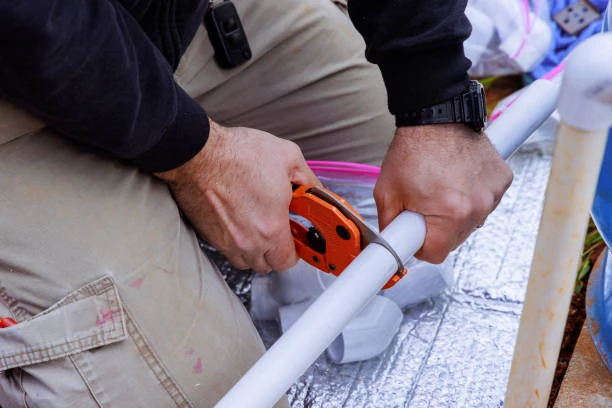
A cortador de tubos is a crucial tool for professionals and DIY enthusiasts who need to cut pipes and tubes with precision and ease. Selecting the right tubing cutter can significantly impact the quality and efficiency of your work. Whether you’re cutting copper, PVC, or stainless steel, understanding the key factors involved in choosing a tubing cutter will help you make an informed decision. This guide will explore the important aspects to consider when selecting a tubing cutter, including the type of cutter, material compatibility, pipe size, ease of use, and more.
1. Identify the Material You Will Cut
The first step in selecting a tubing cutter is determining the material you plan to cut. Different materials require specific types of cutters. A cutter designed for one material may not work efficiently for others, and using the wrong tool can lead to poor cuts, extra effort, or damage to the tool. The most common materials people cut include copper, PVC, aluminum, and stainless steel.
- Cobre: Copper pipes are soft and relatively easy to cut. Manual tubing cutters with sharp cutting wheels are usually sufficient for this task. Copper tubing cutters provide clean, smooth cuts without crushing or deforming the pipe.
- CLORURO DE POLIVINILO: PVC pipes are also soft, but they are more brittle than copper. Tubing cutters for PVC typically feature a rotating wheel or blade that slices through the pipe cleanly. When selecting a cutter for PVC, ensure that it can make straight, even cuts to prevent leaks and improve joint integrity.
- Aluminum and Stainless Steel: These materials are harder and require more specialized tubing cutters. Ratchet cutters or heavy-duty cutters with stronger blades and additional leverage are ideal for cutting metal pipes. For thicker materials like stainless steel, consider using a hydraulic cutter or a cutter with a high-torque mechanism.
Choosing a tubing cutter designed for the material you’re working with will ensure you achieve clean, efficient cuts with minimal effort.
2. Consider the Pipe Size
Another important factor to consider when selecting a tubing cutter is the size of the pipes you intend to cut. Tubing cutters are available in various sizes, and it is crucial to match the cutter to the pipe diameter.
- Small-Diameter Pipes: For small pipes (up to 2 inches in diameter), a simple manual tubing cutter should suffice. These cutters are compact and easy to maneuver, allowing for precise cuts in tight spaces.
- Medium to Large-Diameter Pipes: As the pipe size increases, you will need a cutter that can handle the larger diameter and greater cutting force. For pipes larger than 2 inches, look for ratchet or heavy-duty cutters that provide more leverage and can cut through thicker materials. Some heavy-duty cutters come with adjustable wheels that can accommodate various pipe sizes, making them versatile for multiple jobs.
- Ajustabilidad: Many tubing cutters feature an adjustable design, allowing you to change the cutting diameter. This versatility is particularly useful if you work with pipes of varying sizes, as it eliminates the need for multiple cutters.
Always ensure that the cutter can handle the pipe sizes you regularly work with to avoid the frustration of using an undersized or oversized tool.
3. Check for Ease of Use and Comfort
A good tubing cutter should be easy to use, even for extended periods. The comfort and ease of use of a cutter will affect your overall efficiency and productivity. Look for these key ergonomic features:
- Diseño del mango: A tubing cutter with ergonomically designed handles will make cutting easier and more comfortable. Handles with rubber grips or cushioned padding can reduce hand fatigue, especially when making multiple cuts.
- Lever Mechanism: For greater cutting power, especially with larger pipes, some tubing cutters come with a lever or ratchet mechanism. These mechanisms allow you to apply consistent pressure with less effort, making them ideal for cutting tougher materials or larger pipes.
- Adjustable or Rotating Head: Some tubing cutters have a rotating head that can be adjusted to provide better control during the cutting process. This feature makes it easier to align the cutter properly, especially in tight spaces.
Choosing a tubing cutter with ergonomic handles and easy-to-operate features will make your work more comfortable and efficient.
4. Durability and Build Quality
The durability of a tubing cutter is essential, particularly if you use it frequently or for tough materials. A well-built cutter will last longer, reduce maintenance costs, and maintain its cutting efficiency over time.
- Material of Construction: Tubing cutters are typically made from high-quality metals like carbon steel or stainless steel, ensuring that they remain strong and durable. Additionally, the cutting wheels or blades should be made of hardened steel or carbide to prevent wear and tear.
- Rust and Corrosion Resistance: Since tubing cutters are often exposed to moisture, rust resistance is important, especially when working with metal pipes. Look for cutters with rust-resistant coatings or stainless steel construction, which will ensure that your tool stays in top condition longer.
- Replaceable Parts: Some tubing cutters offer replaceable cutting wheels or blades, which is a valuable feature. If the cutter starts to dull over time, you can replace the blade without buying a whole new tool, ensuring continuous efficiency.
A durable cutter will save you time and money in the long run by requiring fewer repairs and replacements.
5. Assess Cutting Speed and Precision
Cutting speed and precision are important factors when choosing a tubing cutter, especially for professionals who need to complete multiple cuts quickly. The right cutter should allow you to make precise cuts without wasting time.
- Speed: Manual cutters are slower than ratchet or hydraulic cutters but are often sufficient for smaller jobs. If you need to make many cuts in a short time, a ratchet cutter or hydraulic cutter might be a better choice, as they reduce cutting time and effort.
- Precision: Look for a cutter that offers clean, smooth cuts with minimal burrs or jagged edges. Precise cuts ensure that pipes fit together perfectly, reducing the chances of leaks or joint issues. Ratchet cutters and heavy-duty cutters tend to provide the most precise cuts, especially on tougher materials.
If you prioritize speed and accuracy in your work, select a cutter that combines both qualities.
6. Características de seguridad
Safety should always be a priority when working with any cutting tool. Some tubing cutters come with built-in safety features to protect users from accidental injuries:
- Locking Mechanism: Many cutters include a locking feature that secures the blade or cutting wheel when not in use. This prevents the blade from accidentally coming into contact with your hands or other objects.
- Blade Guard: A blade guard protects your hands from the sharp edges of the cutter’s blade, reducing the risk of cuts and injuries during handling.
Choosing a tubing cutter with proper safety features will ensure that you can work with peace of mind.
7. Price and Value for Money
Finally, consider your budget when selecting a tubing cutter. Prices can vary widely based on the cutter’s features, materials, and brand. While it’s tempting to choose the cheapest option, investing in a quality tool often pays off in the long run. A well-built cutter will last longer and provide more efficient cuts, ultimately saving you time and money.
Look for a cutter that strikes the right balance between price and performance. Consider factors like durability, cutting efficiency, and comfort to ensure you get the best value for your money.
Conclusión
Choosing the right tubing cutter is a critical decision that can impact the efficiency, quality, and safety of your work. By considering factors such as material compatibility, pipe size, ease of use, durability, and safety features, you can select a tubing cutter that best suits your needs. Whether you’re a professional plumber, HVAC technician, or DIY enthusiast, selecting the right cutter will help you complete your projects quickly, accurately, and with minimal effort.
Norma internacional IFAN
Los productos IFAN cumplen con diversas normas reconocidas internacionalmente, lo que garantiza su calidad y rendimiento en diversas aplicaciones. Entre ellas se incluyen las normas ISO 15874, que definen las especificaciones para sistemas de tuberías de plástico; EN 15874, que cubre los requisitos para tuberías y accesorios de polietileno (PE) en sistemas de distribución de agua; ASTM F2389, que establece las normas para sistemas de tuberías de polietileno reticulado (PEX); DIN 8077/8078, que aborda las dimensiones y pruebas de tuberías de plástico; GB/T 18742, las normas nacionales chinas para tuberías y accesorios de plástico; y NBR 15884, una norma brasileña para sistemas de tuberías de PE y PEX. Estas certificaciones demuestran el compromiso de IFAN con el suministro de productos fiables y de alta calidad, de conformidad con los estándares internacionales de la industria.
Contacto
IFAN es un fabricante profesional con 30 años de experiencia, dedicado a la producción de tuberías, accesorios y válvulas de plástico de alta calidad. Nuestros productos incluyen válvulas de latón, válvulas PPR, así como diversos tubos y accesorios para satisfacer las diferentes necesidades de nuestros clientes. Ya sea que necesite tuberías de plomería y drenaje o válvulas, IFAN le ofrece una amplia gama de productos de alta calidad y económicos para apoyar sus proyectos. A continuación, encontrará nuestra información de contacto.
Responderemos su correo electrónico o fax dentro de las 24 horas.
Puede llamarnos en cualquier momento si tiene alguna pregunta sobre nuestra producción.
Para obtener más información, visite nuestro sitio web. https://www.ifanplus.com/
Por favor envíelo a: [email protected]
WhatsApp: +86 19857948982























