


Introducción
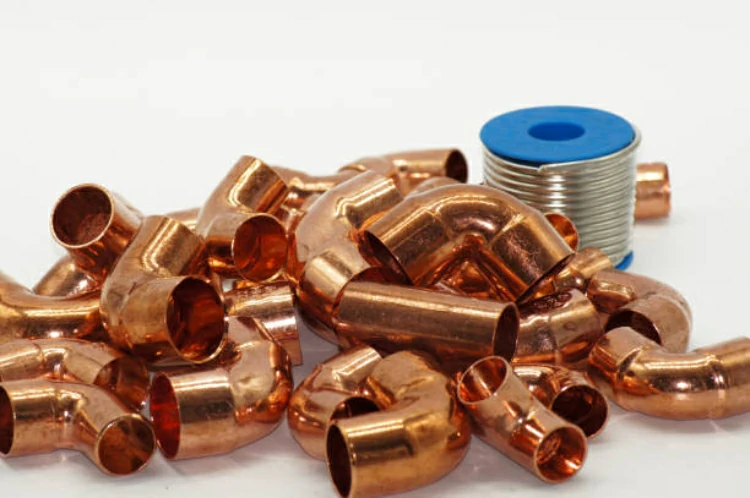
Brass fitting are widely used in plumbing systems due to their durability, versatility, and corrosion resistance. However, like any material, brass fittings have their advantages and disadvantages. In this article, we’ll explore the pros and cons of brass fitting to help you make informed decisions for your plumbing projects.
Pros of Brass Fittings
Durabilidad y longevidad
Brass fitting are known for their exceptional durability and long service life. They can withstand high pressure and temperature variations without compromising their structural integrity, making them suitable for a wide range of applications.
Resistencia a la corrosión
One of the key advantages of brass fitting is their resistance to corrosion. Unlike iron or steel fittings, brass does not rust or corrode when exposed to moisture, making it ideal for use in water supply systems and other corrosive environments.
Versatilidad
Brass fittings are highly versatile and can be used with various piping materials, including copper, PVC, and PEX. They come in a wide range of shapes, sizes, and configurations, making them suitable for different plumbing layouts and installation requirements.
Facilidad de instalación
Brass fittings are relatively easy to install, whether using threaded connections or soldering techniques. They provide a secure and leak-proof joint when properly installed, reducing the risk of water damage and maintenance issues.
Cons of Brass Fittings
Costo
One of the main drawbacks of brass fitting is their higher cost compared to other materials such as PVC or plastic. The production process and raw material costs contribute to the overall expense of brass fitting, which may impact budget-conscious projects.
Peso
Brass fittings are heavier than some alternative materials, such as plastic or composite fittings. This added weight can make handling and installation more labor-intensive, especially in large-scale plumbing projects where numerous fittings are required.
Lead Content
Historically, brass fitting were made from leaded brass, which presented health hazards as lead could leach into the water supply. Nowadays, lead-free brass fittings are prevalent, but it’s crucial to verify that these fittings comply with current safety standards and regulations.
Potencial de descincificación
Under certain conditions, such as exposure to acidic or alkaline water, brass fittings may be susceptible to dezincification, where zinc leaches out of the brass alloy, weakening the fitting. However, proper material selection and water treatment can minimize the risk of dezincification.
Conclusión
Despite some drawbacks, brass fitting remain a popular choice for plumbing systems due to their durability, corrosion resistance, and versatility. By weighing the pros and cons of brass fitting, you can make informed decisions to ensure the success of your plumbing projects.
Contacto
IFAN es un fabricante profesional con 30 años de experiencia, dedicado a la producción de tuberías, accesorios y válvulas de plástico de alta calidad. Nuestros productos incluyen válvulas de latón, válvulas PPR, así como diversas tuberías y accesorios para satisfacer las diferentes necesidades de nuestros clientes. Ya sea que necesite tuberías de plomería y drenaje o válvulas, IFAN Ofrecemos una amplia gama de productos de alta calidad y rentables para apoyar sus proyectos. A continuación, encontrará nuestra información de contacto.
Responderemos su correo electrónico o fax dentro de las 24 horas.
Puede llamarnos en cualquier momento si tiene alguna pregunta sobre nuestra producción.
Para obtener más información, visite nuestro sitio web. https://www.ifanplus.com/
Por favor envíelo a: [email protected]























