


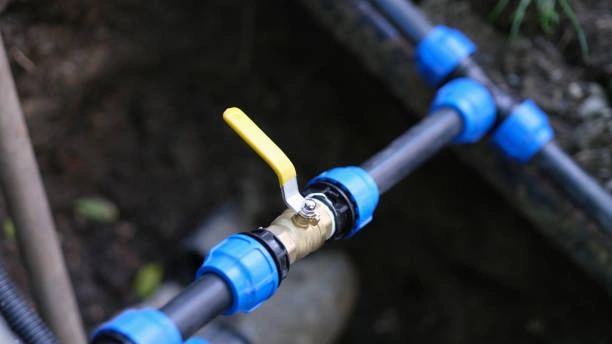
1. Introduction to Relief Valves
Relief valves are critical components in fluid and gas systems. They prevent system overpressure by releasing excess fluid or gas, ensuring safe operation. If a relief valve fails, it can lead to system damage, safety hazards, or complete equipment failure. Understanding when to replace your relief valve is crucial for maintaining system efficiency and safety. Regular maintenance and timely replacement help avoid costly repairs and protect your equipment.
2. Signs of a Failing Relief Valve
Relief valves don’t last forever. Over time, they may experience wear and tear, which affects their performance. Common signs of a failing relief valve include:
- Constant Leakage: If the valve leaks continuously, even when the pressure is within the safe range.
- Failure to Open or Close Properly: A valve that doesn’t open at the designated pressure or fails to close after activation is malfunctioning.
- Noise: Unusual sounds, such as hissing or whistling, indicate internal damage or malfunction.
These signs signal that it’s time to inspect and possibly replace the valve.
3. Pressure Fluctuations and System Performance
Frequent pressure fluctuations may indicate that the relief valve isn’t functioning properly. If the valve is not relieving pressure at the correct set point, your system could face damage from overpressure or inefficient operation. For instance, in hydraulic systems, improper pressure regulation can cause pump or pipe failure. Regularly check the valve’s set point and replace it if it no longer meets the required specifications.
4. Valve Age and Wear
Over time, relief valves degrade due to constant exposure to pressure cycles, heat, and corrosion. Most valves are designed to last a specific period based on their material and usage. If your valve has been in service for several years, it’s a good idea to check it regularly for signs of wear. If it has exceeded its expected lifespan or shows wear in its components, replacement is necessary.
5. Impact of External Factors on Valve Performance
External factors like temperature extremes, corrosive fluids, or vibrations can affect the performance of relief valves. If your system operates in harsh conditions, you may need to replace the valve more frequently. Corrosion or buildup inside the valve can prevent it from operating correctly. Regular inspection helps determine if external conditions are taking a toll on the valve.
6. How to Test a Relief Valve
To ensure your relief valve is functioning properly, perform regular tests. This can be done by checking for correct pressure settings and observing if the valve opens when the set pressure is reached. It’s also essential to inspect for any leaks or unusual noises during operation. If the valve fails the test, it’s time to replace it to avoid system damage and maintain safety.
7. Replacement Process and Considerations
When replacing a relief valve, consider the specifications of the original valve. Ensure the new valve is compatible with your system’s pressure, flow rate, and material requirements. It’s also essential to install the valve correctly to prevent leaks or malfunction. If you’re unsure about the replacement process, it’s wise to consult with a professional technician to ensure proper installation and operation.
8. Conclusion: Ensuring System Safety with Timely Valve Replacement
Relief valves are vital for maintaining safe system pressures. Timely replacement ensures the protection of your equipment and the safety of your operations. By recognizing the signs of valve failure and understanding when to replace the valve, you can avoid costly downtime and repairs. Regular inspections and maintenance will help your system function smoothly, providing long-lasting reliability and safety.
Descripción general de los estándares de productos IFAN
IFAN fabrica productos en total conformidad con las normas internacionales y regionales para satisfacer las diversas necesidades del mercado. Nuestra gama de productos cumple con especificaciones como ISO 15874, EN 15874, ASTM F2389, DIN 8077/8078, GB/T 18742 y NBR 15884 para sistemas de PPR. También seguimos las normas ISO 15494, EN ISO 15494, GB/T 19472 y NBR 15494 para aplicaciones de tuberías industriales. Normas como ASTM D1785 SCH40/SCH80, DIN 8061/8062, ISO 1452, AS/NZS 1477 y NSF/ANSI 14 se aplican a nuestros sistemas de PVC. Para tuberías de HDPE y gas, cumplimos con las normas ISO 4437, EN 12201, ASTM D2513, ASTM D3035 y GB/T 13663. Las tuberías de acero inoxidable y composite cumplen con las normas ASTM A312, ISO 10380, ASTM F1974 e ISO 21003. Otras normas compatibles incluyen CSA B137, BS 7291, JIS K6741 y TIS 17-2532/1131-2535. IFAN garantiza una calidad y compatibilidad fiables al cumplir con estas especificaciones reconocidas mundialmente.
Contacto
IFAN es un fabricante profesional con 30 años de experiencia, dedicado a la producción de tuberías, accesorios y válvulas de plástico de alta calidad. Nuestros productos incluyen válvulas de latón, válvulas PPR, así como diversos tubos y accesorios para satisfacer las diferentes necesidades de nuestros clientes. Ya sea que necesite tuberías de plomería y drenaje o válvulas, IFAN le ofrece una amplia gama de productos de alta calidad y económicos para apoyar sus proyectos. A continuación, encontrará nuestra información de contacto.
Responderemos su correo electrónico o fax dentro de las 24 horas.
Puede llamarnos en cualquier momento si tiene alguna pregunta sobre nuestra producción.
Para obtener más información, visite nuestro sitio web. https://www.ifanplus.com/
Por favor envíelo a: [email protected]
WhatsApp: +86 19857948982























