


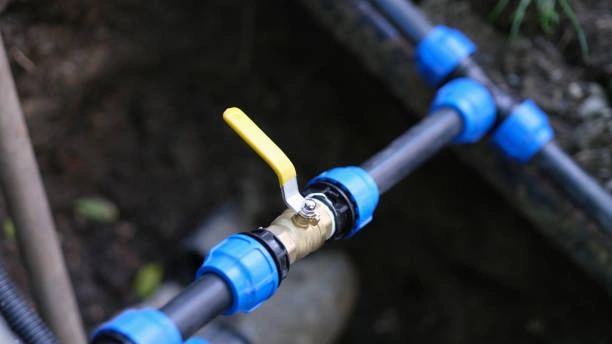
1. Introduction to Relief Valves
Relief valves are critical components in fluid and gas systems. They prevent system overpressure by releasing excess fluid or gas, ensuring safe operation. If a relief valve fails, it can lead to system damage, safety hazards, or complete equipment failure. Understanding when to replace your relief valve is crucial for maintaining system efficiency and safety. Regular maintenance and timely replacement help avoid costly repairs and protect your equipment.
2. Signs of a Failing Relief Valve
Relief valves don’t last forever. Over time, they may experience wear and tear, which affects their performance. Common signs of a failing relief valve include:
- Constant Leakage: If the valve leaks continuously, even when the pressure is within the safe range.
- Failure to Open or Close Properly: A valve that doesn’t open at the designated pressure or fails to close after activation is malfunctioning.
- Noise: Unusual sounds, such as hissing or whistling, indicate internal damage or malfunction.
These signs signal that it’s time to inspect and possibly replace the valve.
3. Pressure Fluctuations and System Performance
Frequent pressure fluctuations may indicate that the relief valve isn’t functioning properly. If the valve is not relieving pressure at the correct set point, your system could face damage from overpressure or inefficient operation. For instance, in hydraulic systems, improper pressure regulation can cause pump or pipe failure. Regularly check the valve’s set point and replace it if it no longer meets the required specifications.
4. Valve Age and Wear
Over time, relief valves degrade due to constant exposure to pressure cycles, heat, and corrosion. Most valves are designed to last a specific period based on their material and usage. If your valve has been in service for several years, it’s a good idea to check it regularly for signs of wear. If it has exceeded its expected lifespan or shows wear in its components, replacement is necessary.
5. Impact of External Factors on Valve Performance
External factors like temperature extremes, corrosive fluids, or vibrations can affect the performance of relief valves. If your system operates in harsh conditions, you may need to replace the valve more frequently. Corrosion or buildup inside the valve can prevent it from operating correctly. Regular inspection helps determine if external conditions are taking a toll on the valve.
6. How to Test a Relief Valve
To ensure your relief valve is functioning properly, perform regular tests. This can be done by checking for correct pressure settings and observing if the valve opens when the set pressure is reached. It’s also essential to inspect for any leaks or unusual noises during operation. If the valve fails the test, it’s time to replace it to avoid system damage and maintain safety.
7. Replacement Process and Considerations
When replacing a relief valve, consider the specifications of the original valve. Ensure the new valve is compatible with your system’s pressure, flow rate, and material requirements. It’s also essential to install the valve correctly to prevent leaks or malfunction. If you’re unsure about the replacement process, it’s wise to consult with a professional technician to ensure proper installation and operation.
8. Conclusion: Ensuring System Safety with Timely Valve Replacement
Relief valves are vital for maintaining safe system pressures. Timely replacement ensures the protection of your equipment and the safety of your operations. By recognizing the signs of valve failure and understanding when to replace the valve, you can avoid costly downtime and repairs. Regular inspections and maintenance will help your system function smoothly, providing long-lasting reliability and safety.
نظرة عامة على معايير منتجات IFAN
تُصنّع شركة IFAN منتجاتها وفقًا للمعايير الدولية والإقليمية لتلبية مختلف متطلبات السوق. تتوافق منتجاتنا مع مواصفات ISO 15874، وEN 15874، وASTM F2389، وDIN 8077/8078، وGB/T 18742، وNBR 15884 لأنظمة PPR. كما نلتزم بمعايير ISO 15494، وEN ISO 15494، وGB/T 19472، وNBR 15494 لتطبيقات الأنابيب الصناعية. وتُطبّق معايير ASTM D1785 SCH40/SCH80، وDIN 8061/8062، وISO 1452، وAS/NZS 1477، وNSF/ANSI 14 على أنظمة PVC لدينا. بالنسبة لأنابيب البولي إيثيلين عالي الكثافة والغاز، نلتزم بمعايير ISO 4437، وEN 12201، وASTM D2513، وASTM D3035، وGB/T 13663. أما أنابيب الفولاذ المقاوم للصدأ والأنابيب المركبة، فتتوافق مع معايير ASTM A312، وISO 10380، وASTM F1974، وISO 21003. ومن المعايير الأخرى المدعومة CSA B137، وBS 7291، وJIS K6741، وTIS 17-2532/1131-2535. تضمن IFAN جودة موثوقة وتوافقًا عاليًا من خلال استيفائها لهذه المواصفات المعترف بها عالميًا.
اتصال
IFAN شركة تصنيع محترفة بخبرة 30 عامًا، متخصصة في إنتاج الأنابيب والوصلات والصمامات البلاستيكية عالية الجودة. تشمل منتجاتنا صمامات النحاس، وصمامات البولي بروبيلين (PPR)، بالإضافة إلى مجموعة متنوعة من الأنابيب والوصلات لتلبية احتياجات العملاء المختلفة. سواءً كنتم بحاجة إلى أنابيب السباكة والصرف الصحي أو منتجات الصمامات، فإن IFAN قادرة على توفير مجموعة متنوعة من المنتجات عالية الجودة وبأسعار معقولة لدعم مشاريعكم. تجدون أدناه معلومات الاتصال بنا.
سوف نقوم بالرد على بريدك الإلكتروني أو الفاكس الخاص بك خلال 24 ساعة.
يمكنك الاتصال بنا في أي وقت إذا كان هناك أي سؤال حول إنتاجنا.
لمزيد من المعلومات، يرجى زيارة موقعنا على شبكة الإنترنت https://www.ifanplus.com/
يرجى إرسال بريد إلى: [email protected]
واتساب: +86 19857948982























