


مقدمة
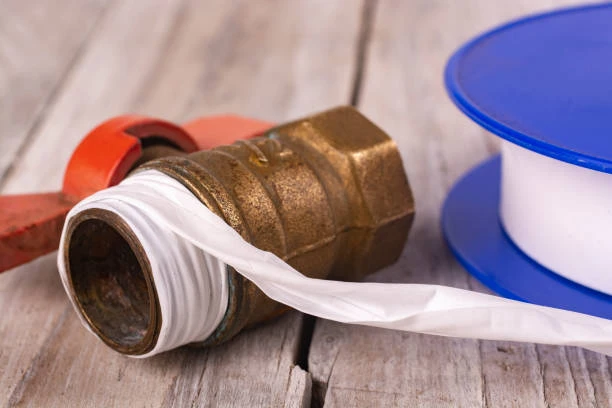
تجهيزات الأنابيب النحاسية are vital components in various plumbing and industrial systems. Known for their strength, versatility, and resistance to corrosion, brass fittings ensure the durability and reliability of systems they are part of. This article explores the mechanical properties of brass piping fittings, explaining their importance and how these properties contribute to their performance in various applications. These fittings connect pipes, control fluid flow, and withstand environmental stress, making them indispensable in many industries.
1. Composition and Structure of Brass
Brass is an alloy primarily made from copper and zinc, with the proportions of these metals varying depending on the brass type. Other metals, such as lead, tin, and iron, can be added to enhance specific properties. For example, lead can improve machinability, while tin adds corrosion resistance.
The strength of brass fittings is attributed to this unique combination of metals. The zinc content increases strength while maintaining the malleability and ductility needed for creating precise fittings. The copper in brass contributes to its corrosion resistance and thermal conductivity. The specific properties of brass make it suitable for high-performance applications where durability and reliability are crucial.
2. Mechanical Strength of Brass Piping Fittings
2.1 Tensile Strength
Tensile strength refers to the maximum stress that a material can withstand without breaking. Brass, being a relatively strong alloy, exhibits impressive tensile strength, typically ranging between 350 to 550 MPa, depending on the exact composition. This property allows brass piping fittings to endure significant mechanical forces without failing, making them suitable for applications that involve high pressures or heavy-duty environments.
The tensile strength of brass enables it to resist deformation or failure under stress. This is particularly important for plumbing and gas systems, where fittings must maintain structural integrity over long periods.
2.2 Yield Strength
Yield strength is the point at which a material begins to deform plastically and is no longer able to return to its original shape. Brass typically has a yield strength of 200 to 250 MPa. This allows brass fittings to maintain their shape under load without permanent deformation. Such strength ensures that brass piping fittings remain in place and function effectively, even under significant operational pressures.
High yield strength is essential in maintaining the integrity of plumbing systems that carry liquids, gases, or steam under high pressure. It ensures the fittings can withstand the stress imposed by these materials without compromising the system’s safety or performance.
2.3 Hardness
Brass fittings are relatively hard, which helps them resist wear and tear over time. Hardness refers to a material’s resistance to localized plastic deformation, such as scratching or indenting. Brass typically has a hardness rating between 50 and 120 HB (Brinell hardness scale), depending on its alloy composition.
The hardness of brass makes it ideal for systems subjected to abrasive forces. It also ensures that the fittings maintain their shape and functionality even in harsh environments, where frequent contact with other materials may cause wear and degradation in less durable metals.
3. Ductility and Malleability of Brass Piping Fittings
3.1 Ductility
Ductility refers to the ability of a material to undergo significant plastic deformation before fracture. Brass, due to its copper content, is highly ductile. It can be drawn into thin wires or elongated without breaking. This property makes brass ideal for creating fittings that require precise and complex shapes.
Brass’s ductility is an essential feature for its use in piping fittings. The ability to mold and shape brass into intricate forms allows for the creation of a wide variety of fitting types, such as elbows, tees, and couplings, that meet the requirements of complex plumbing systems.
3.2 Malleability
Malleability is the ability of a material to be hammered or pressed into thin sheets without breaking. Brass is also highly malleable, allowing manufacturers to shape it into the required forms easily. This characteristic is vital for producing fittings with smooth surfaces and tight seals. Malleability ensures that brass fittings can be formed into specific sizes and shapes to match pipe dimensions and system needs.
The malleability of brass helps prevent the fittings from cracking during installation. It also ensures that the fittings can create tight, leak-resistant seals, which is critical for fluid or gas transportation systems.
4. Corrosion Resistance of Brass Piping Fittings
Brass is known for its excellent resistance to corrosion, especially when exposed to moisture or chemicals. The corrosion resistance of brass is mainly due to the copper content, which forms a protective patina over time. This patina shields the brass from further corrosion, increasing the material’s longevity and ensuring its performance over the long term.
This property makes brass an ideal material for plumbing systems exposed to water, moisture, or chemicals. For example, brass fittings used in water supply systems are less likely to rust or corrode compared to steel or iron fittings. The ability to resist corrosion ensures that brass piping fittings maintain their strength and functionality in challenging environments.
Brass also has good resistance to dezincification, a type of corrosion that occurs in zinc-containing alloys when exposed to water. This further enhances its reliability in applications that require long-term performance.
5. Thermal Properties of Brass Piping Fittings
Brass has good thermal conductivity, which means it can transfer heat effectively. This property is essential for applications involving hot fluids, steam, or gases. The thermal conductivity of brass ensures that fittings can handle temperature fluctuations without warping or cracking.
Additionally, brass has a relatively low coefficient of thermal expansion, meaning it expands and contracts less with changes in temperature compared to many other materials. This property helps maintain the integrity of brass fittings in systems exposed to varying temperatures, ensuring they continue to perform reliably.
The ability of brass to withstand high temperatures without degradation makes it a popular choice for heating systems, steam systems, and HVAC applications. It allows brass fittings to handle thermal stresses that might cause failure in other, less durable materials.
6. Fatigue and Impact Resistance of Brass Piping Fittings
Brass piping fittings also demonstrate excellent resistance to fatigue and impact. Fatigue refers to the weakening of a material due to repeated stress cycles, while impact resistance refers to the ability of a material to absorb energy from sudden forces.
Brass can withstand repeated mechanical stresses without cracking or breaking. Its ability to resist fatigue makes it suitable for systems that experience vibrations or other dynamic forces, such as those found in industrial and automotive applications. Brass fittings can maintain their functionality over time, even under constant stress.
Impact resistance is another key advantage of brass piping fittings. The material can absorb shock loads without fracturing, making it ideal for environments where sudden forces may be encountered, such as in transportation or heavy-duty equipment.
7. Applications of Brass Piping Fittings
Due to its excellent mechanical properties, brass piping fittings are used in a wide variety of applications, including:
- أنظمة إمدادات المياه: Brass is widely used in residential and commercial water supply systems. Its corrosion resistance ensures long-lasting and reliable fittings.
- أنظمة الغاز: Brass fittings are used in gas pipelines due to their ability to handle high pressures without deforming.
- أنظمة التدفئة والتهوية وتكييف الهواء: Brass fittings are found in heating, ventilation, and air conditioning systems because of their thermal conductivity and strength.
- التطبيقات الصناعية: Brass fittings are used in manufacturing and processing plants, where mechanical strength and resistance to harsh conditions are required.
8. الخاتمة
Brass piping fittings are indispensable components in plumbing and industrial systems due to their exceptional mechanical properties. The material’s strength, ductility, malleability, and resistance to corrosion ensure that brass fittings remain reliable in various applications. Brass’s ability to withstand high pressures, temperatures, and dynamic stresses makes it an ideal material for demanding environments.
The mechanical properties of brass—such as tensile strength, yield strength, hardness, and fatigue resistance—ensure that brass piping fittings perform effectively over time, providing long-term durability and functionality. These characteristics, combined with the material’s aesthetic appeal and ease of installation, make brass an excellent choice for creating dependable and high-performance piping systems.
By understanding the mechanical properties of brass piping fittings, manufacturers and engineers can make informed decisions about material selection for plumbing, heating, gas, and industrial systems, ensuring optimal system performance and longevity.
قائمة أفضل الموردين
| اسم الشركة | موقع | سنوات من الخبرة | الشهادات |
| إيفان | تشوجي، الصين | 1993 | شهادة الأيزو |
| حلول ASC الهندسية | الولايات المتحدة الأمريكية | 2019 | شهادة الأيزو |
| باتيل بريسيجن وركس | الهند | أكثر من 21 سنة | شهادة الأيزو |
| شركة ريد-وايت فالف | الولايات المتحدة الأمريكية | 1971 | شهادة الأيزو |
| عناصر التحكم في تدفق SVF | الولايات المتحدة الأمريكية | 1988 | شهادة الأيزو |
| سوفال | الولايات المتحدة الأمريكية | 1971 | شهادة الأيزو |
معيار IFAN الدولي
تتوافق منتجات IFAN مع مجموعة واسعة من المعايير الدولية، مما يضمن جودتها وموثوقيتها وملاءمتها لمختلف التطبيقات حول العالم. تشمل هذه المعايير ASTM D3035، وASTM D3350، وسلسلة ISO 4427، وسلسلة EN 12201، وDIN 8074/8075، وسلسلة GB/T 13663، وAS/NZS 4130، وJIS K6760، وBS 6572، وCSA B137.1، وغيرها. يضمن الالتزام بهذه المعايير استيفاء منتجات IFAN للمتطلبات الصارمة للسلامة والأداء والمتانة في مختلف الصناعات والأسواق.
اتصال
IFAN شركة تصنيع محترفة بخبرة 30 عامًا، متخصصة في إنتاج الأنابيب والوصلات والصمامات البلاستيكية عالية الجودة. تشمل منتجاتنا صمامات النحاس، وصمامات البولي بروبيلين (PPR)، بالإضافة إلى مجموعة متنوعة من الأنابيب والوصلات لتلبية احتياجات العملاء المختلفة. سواءً كنتم بحاجة إلى أنابيب السباكة والصرف الصحي أو منتجات الصمامات، فإن IFAN قادرة على توفير مجموعة متنوعة من المنتجات عالية الجودة وبأسعار معقولة لدعم مشاريعكم. تجدون أدناه معلومات الاتصال بنا.
سوف نقوم بالرد على بريدك الإلكتروني أو الفاكس الخاص بك خلال 24 ساعة.
يمكنك الاتصال بنا في أي وقت إذا كان هناك أي سؤال حول إنتاجنا.
لمزيد من المعلومات، يرجى زيارة موقعنا على شبكة الإنترنت https://www.ifanplus.com/
يرجى إرسال بريد إلى: [email protected]
واتساب: +86 19857948982























