


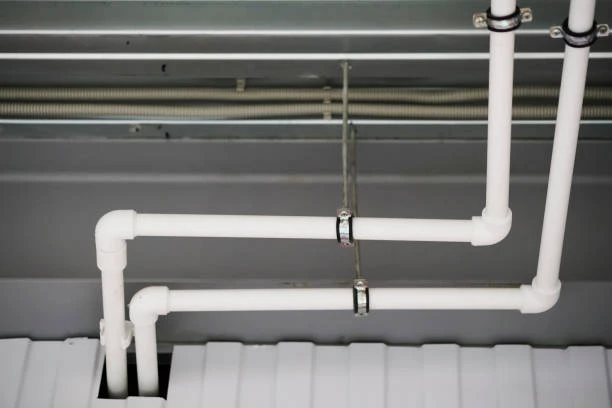
أنابيب السباكة البلاستيكية have become a cornerstone of modern construction and water infrastructure projects worldwide. Their unique combination of durability, cost-effectiveness, and versatility makes them a preferred choice for engineers, contractors, and DIY enthusiasts alike. This article delves deep into the world of PVC plumbing pipes, exploring their fundamental characteristics, widespread applications across various industries, and answers to the most common questions. Furthermore, we will examine the current market dynamics that solidify their position as a leading material in the plumbing sector. Whether you are planning a new build or simply curious about the pipes in your walls, this guide provides a thorough and professional overview of everything you need to know about PVC plumbing pipes.
Basic Definition and Characteristics
PVC, which stands for Polyvinyl Chloride, is a synthetic plastic polymer that has revolutionized the plumbing industry. Manufacturers create PVC pipes by extruding this compound into a strong, rigid tube form. These pipes possess a set of defining characteristics that contribute to their immense popularity.
Firstly, PVC pipes demonstrate exceptional corrosion resistance. Unlike metal pipes, they never rust or corrode when exposed to water or soil chemicals. This property ensures a longer lifespan and maintains water purity. Secondly, these pipes have a very smooth interior surface. This smoothness minimizes friction, allowing water to flow more efficiently and reducing the potential for clogs from mineral buildup.
Moreover, PVC plumbing pipes are remarkably lightweight. This feature makes them incredibly easy to transport, handle, and install compared to their heavy metal counterparts, leading to significant labor and cost savings. They are also highly durable and possess excellent tensile strength, meaning they can withstand high water pressure without cracking or breaking.
Another key advantage is their affordability. PVC is generally less expensive to manufacture and purchase than copper, iron, or PEX pipes. Finally, people appreciate these pipes for their chemical resistance, making them suitable for draining a wide range of substances without deteriorating. These combined traits make PVC a reliable and economical solution for numerous plumbing needs.
الاستخدامات الشائعة والصناعات التطبيقية
The application of PVC plumbing pipes spans a diverse range of industries, thanks to their adaptable and robust nature. Their primary use, without a doubt, is in the construction sector for potable water distribution and waste drainage systems. Builders and plumbers extensively use them for residential, commercial, and industrial building projects for both cold and hot water supply lines, though often with specific CPVC variants for higher heat tolerance.
Within municipal water systems, PVC pipes play a crucial role. They form the backbone of main water supply lines and sewer systems for entire communities. Their corrosion resistance and long service life make them ideal for this critical infrastructure, reducing maintenance costs and ensuring reliable water delivery and wastewater removal for cities and towns.
The agricultural industry also heavily relies on PVC piping. Farmers use them for irrigation systems, transporting water from sources to fields efficiently. Their smooth interior prevents blockages and their durability allows them to withstand outdoor and underground installation. Furthermore, the manufacturing and industrial sectors utilize these pipes for process water lines, chemical drainage, and even ventilation systems for dust and fumes.
Other common uses include swimming pool plumbing, fire sprinkler systems in certain applications, and as protective conduits for electrical wiring. In essence, anywhere that requires a cost-effective, non-corrosive, and efficient method of transporting water or other fluids, PVC pipes often emerge as the top contender.
الأسئلة الشائعة
1. Are PVC pipes safe for drinking water?
Yes, modern PVC pipes that carry certification from standards organizations like NSF International are completely safe for transporting drinking water. Manufacturers produce them to meet strict health and safety standards, ensuring they do not leach harmful chemicals into the water supply.
2. What is the difference between PVC and CPVC pipes?
While both are types of plastic plumbing pipes, the key difference lies in their temperature tolerance. People make PVC pipes from polyvinyl chloride, and they are best for cold water applications. On the other hand, manufacturers chlorinate CPVC (Chlorinated Polyvinyl Chloride) resin, giving it a higher temperature resistance. This makes CPVC suitable for both hot and cold water lines.
3. How long do PVC plumbing pipes last?
PVC pipes have an exceptionally long lifespan. Industry experts often estimate that a properly installed PVC plumbing system can last between 50 to 100 years. Their resistance to corrosion, chemicals, and environmental stress contributes to this impressive longevity, far outlasting many metal alternatives.
4. Can you use PVC pipes for hot water?
Standard PVC pipes are not recommended for hot water applications, as high temperatures can soften the material and potentially cause failure. For hot water lines, one should use CPVC pipes, which are specifically designed to handle higher temperatures without compromising their structural integrity.
5. How do you join PVC pipes together?
The most common method for joining PVC pipes is using a solvent cement welding process. This involves applying a primer and a special PVC glue (cement) to the pipe end and the inside of the fitting. The solvent melts the surface layers of the plastic, and when you push them together, they fuse into a single, permanent, and watertight piece as the cement dries.
خاتمة
In summary, PVC plumbing pipes represent a remarkable innovation in material science that continues to dominate the market for very compelling reasons. Their defining properties of corrosion resistance, durability, smooth flow, and light weight offer unparalleled advantages for a multitude of applications. From delivering clean water to our homes and removing waste from our cities to irrigating vast agricultural fields, these pipes form an invisible yet vital network that supports modern life.
The market for PVC pipes continues to grow, driven by global construction demands and the need to replace aging metal infrastructure. Their cost-effectiveness and reliability ensure they remain a staple in the toolkit of engineers and plumbers. While new materials like PEX enter the scene, PVC maintains its stronghold due to its proven track record and adaptability. Ultimately, understanding the capabilities and correct applications of PVC plumbing pipes empowers better decision-making for any project, ensuring efficient, long-lasting, and safe fluid transport systems for decades to come.
اتصل بـ IFAN للحصول على الكتالوجات والعينات
هل تحتاج إلى مستندات فنية أو كتالوجات أو نماذج منتجات؟ تواصل مع IFAN اليوم.
📧 البريد الإلكتروني: [email protected]
📱 واتساب: +86 19857948982
يستجيب فريقنا بسرعة ويوفر الدعم المهني لجميع احتياجات خط الأنابيب الخاص بك.
معيار IFAN الدولي
تلتزم أنظمة أنابيب IFAN بمجموعة واسعة من المعايير الدولية لضمان الجودة والأداء العالي. وتشمل هذه المعايير ASTM F1974 وASTM F1281 لأنظمة الأنابيب متعددة الطبقات، وCSA B137 لتطبيقات السباكة الكندية، وDIN 16836 للمواصفات الفنية الألمانية، وGB18997 للمعايير الصينية، وISO 21003، التي تغطي أنظمة الأنابيب متعددة الطبقات المستخدمة في تركيبات المياه الساخنة والباردة. ويؤكد هذا النطاق الواسع من الاعتمادات التزام IFAN بالامتثال العالمي وموثوقية المنتجات.























