


مقدمة
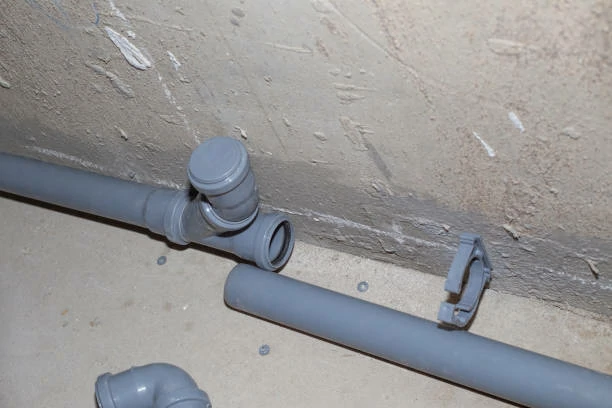
الأنابيب البلاستيكية مقدمة: تلعب الأنابيب البلاستيكية دورًا أساسيًا في البنية التحتية الحديثة، حيث تدعم توزيع المياه، وإدارة الصرف الصحي، والتطبيقات الصناعية، ونقل الغاز. ومع تزايد المخاوف البيئية، تركز الصناعات والحكومات على الاستدامة في مواد البناء. تتميز الأنابيب البلاستيكية بالمتانة، ومقاومة التآكل، وكفاءة الطاقة، مما يجعلها خيارًا مفضلًا. ومع ذلك، تتطلب الاستدامة تصنيعًا واستخدامًا وتصريفًا مسؤولًا [...]
Understanding the environmental impact of plastic piping helps industries adopt better production methods, recycling strategies, and eco-friendly alternatives. By exploring the sustainability of plastic piping, businesses and policymakers can balance performance, cost-effectiveness, and environmental responsibility.
Environmental Benefits of Plastic Piping
Plastic pipes provide multiple environmental advantages compared to traditional materials like metal and concrete.
- Long Service Life Reduces Waste
Plastic pipes maintain their structural integrity for decades, minimizing replacement needs. This longevity reduces material consumption and landfill waste. - Corrosion Resistance Preserves Resources
Unlike metal pipes, plastic pipes resist rust, scaling, and chemical damage. The absence of corrosion reduces leaks, maintenance, and resource depletion. - Lightweight Nature Lowers Energy Consumption
Manufacturing, transporting, and installing plastic pipes requires less energy than heavy metal alternatives. Reduced fuel consumption decreases carbon emissions. - Efficient Water Flow Saves Energy
Smooth interior surfaces prevent scaling and blockages, ensuring efficient fluid movement. Pumping systems consume less energy due to reduced friction. - Recyclability Extends Material Use
Many plastic piping materials, including PVC and HDPE, undergo recycling to create new pipes or other plastic products. Recycling conserves raw materials and reduces waste. - Leak Prevention Protects Water Resources
Durable plastic pipes reduce water loss in distribution networks. Preventing leaks conserves water and lowers treatment costs. - Chemical Resistance Supports Sustainable Practices
Industrial and agricultural applications rely on plastic pipes to transport chemicals safely. Resistance to chemical degradation extends pipe life and prevents soil contamination.
Sustainable Raw Materials and Production Methods
Manufacturers focus on responsible sourcing and energy-efficient production to improve sustainability.
- Bio-Based Plastic Pipes Offer Renewable Options
Some manufacturers develop bio-based polyethylene pipes using renewable plant-based materials. These alternatives reduce dependence on fossil fuels. - Energy-Efficient Manufacturing Lowers Carbon Footprint
Advances in polymer processing reduce energy consumption. Modern extrusion techniques and optimized production methods minimize emissions. - Reduced Material Usage Enhances Efficiency
Innovations in pipe design reduce material consumption while maintaining strength. Thinner walls, reinforced structures, and advanced polymers improve sustainability. - Recycled Content Reduces Virgin Plastic Demand
Using post-consumer or post-industrial recycled plastics in pipe production decreases the need for new plastic materials. This practice supports circular economy principles. - Emission Reduction Strategies Improve Air Quality
Many manufacturers invest in cleaner production technologies. Using renewable energy sources and low-emission processes reduces environmental impact.
Recycling and End-of-Life Management
Proper disposal and recycling ensure that plastic pipes contribute to sustainability rather than environmental pollution.
- Recycling Programs Extend Material Life
Many companies and municipalities implement plastic pipe recycling programs. Used pipes undergo shredding, melting, and reprocessing into new products. - Mechanical Recycling Preserves Material Quality
Grinding and re-extruding plastic pipes allow for reuse in various applications. Proper sorting and processing maintain material integrity. - Chemical Recycling Converts Plastics Into Raw Materials
Advanced recycling technologies break down plastics into monomers or other feedstocks. This method enables the production of high-quality new plastics. - Reused Plastic Pipes Reduce Waste
Some industries repurpose plastic pipes for non-critical applications. Drainage, agricultural irrigation, and temporary construction projects utilize second-hand pipes. - Landfill Diversion Protects Ecosystems
Many governments encourage recycling to prevent plastic pipes from reaching landfills. Policies and incentives promote responsible disposal.
Plastic Piping in Green Building and Infrastructure
Sustainable construction and infrastructure projects integrate plastic piping for eco-friendly solutions.
- LEED Certification Recognizes Sustainable Plumbing
Many green buildings use plastic pipes to meet Leadership in Energy and Environmental Design (LEED) certification standards. Low-impact materials improve sustainability ratings. - Water-Efficient Plumbing Supports Conservation
Plastic pipes enable advanced water management systems, including low-flow fixtures, rainwater harvesting, and greywater recycling. These innovations reduce water waste. - Energy-Efficient Heating and Cooling Uses PEX Pipes
Cross-linked polyethylene (PEX) pipes support radiant heating and cooling systems. These systems lower energy consumption compared to conventional HVAC solutions. - Stormwater Management Benefits from HDPE Pipes
High-density polyethylene (HDPE) pipes collect and transport rainwater in urban areas. Sustainable drainage systems prevent flooding and water contamination. - Eco-Friendly Irrigation Systems Utilize Plastic Pipes
Agricultural irrigation benefits from PVC and HDPE piping systems. Efficient water distribution minimizes waste and supports sustainable farming practices.
Challenges and Concerns in Plastic Piping Sustainability
Despite sustainability benefits, plastic piping faces challenges that require attention.
- Plastic Waste Management Needs Improvement
Many regions lack adequate recycling facilities for plastic pipes. Developing better infrastructure supports sustainability goals. - Microplastic Pollution Raises Environmental Questions
Improper disposal and degradation of plastic pipes contribute to microplastic pollution. Research and innovation aim to reduce this impact. - Public Perception Influences Market Adoption
Some consumers associate plastics with environmental harm. Transparent communication and sustainable practices improve public trust. - Legislation and Regulations Impact Material Choices
Governments implement restrictions on certain plastics. Compliance with evolving regulations ensures continued market access. - Alternative Materials Compete for Market Share
Biodegradable piping and composite materials offer new solutions. Evaluating their long-term sustainability helps industries make informed decisions.
Future Innovations in Sustainable Plastic Piping
Research and development drive continuous improvements in plastic piping sustainability.
- Biodegradable Plastic Pipes Offer a New Frontier
Scientists explore bio-based and biodegradable plastics for piping applications. These innovations aim to reduce long-term environmental impact. - Advanced Recycling Technologies Improve Efficiency
Improved sorting, chemical recycling, and energy-efficient processing enhance sustainability. Investment in new recycling methods supports circular economy principles. - Smart Piping Systems Optimize Resource Management
Sensors and IoT-enabled pipes monitor water usage, detect leaks, and improve efficiency. Smart infrastructure solutions promote sustainability. - Nanotechnology Enhances Durability and Performance
Researchers develop nanomaterial-reinforced plastics for stronger, longer-lasting pipes. Enhanced durability reduces replacement frequency and waste. - Hybrid Materials Combine Plastic with Natural Fibers
Manufacturers experiment with composite materials blending plastic with bamboo, hemp, or other natural fibers. These materials balance strength and eco-friendliness.
خاتمة
Plastic piping contributes significantly to sustainability by offering long-lasting, energy-efficient, and recyclable solutions. Lightweight construction, corrosion resistance, and leak prevention support eco-friendly applications in infrastructure, agriculture, and industry. Manufacturers continue to improve raw material sourcing, production efficiency, and recycling methods to minimize environmental impact.
Challenges such as plastic waste management and public perception require proactive strategies, including better recycling infrastructure, regulatory compliance, and continued innovation. Future advancements in biodegradable plastics, smart piping systems, and hybrid materials will further enhance sustainability. By adopting responsible practices, the plastic piping industry ensures a balance between performance, cost-effectiveness, and environmental responsibility.
معيار IFAN الدولي
تتوافق منتجات IFAN من البولي إيثيلين عالي الكثافة مع مختلف المعايير الدولية، مما يضمن الجودة والمتانة والموثوقية. تشمل هذه المعايير ASTM D3035 وASTM D3350، اللتين تحددان مواصفات أنابيب ومواد البولي إيثيلين (PE). وتضع سلسلتا ISO 4427 وEN 12201 معايير عالمية لأنابيب البولي إيثيلين المستخدمة في أنظمة إمدادات المياه. كما تحدد DIN 8074/8075 وGB/T 13663 متطلبات الأداء والأبعاد لأنابيب البولي إيثيلين عالي الكثافة في الأسواق الأوروبية والصينية. وتؤكد معايير أخرى معترف بها، مثل AS/NZS 4130 (أستراليا/نيوزيلندا)، وJIS K6760 (اليابان)، وBS 6572 (المملكة المتحدة)، وCSA B137.1 (كندا)، التزام IFAN بالامتثال للوائح الصناعة العالمية.
اتصال
IFAN شركة تصنيع محترفة بخبرة 30 عامًا، متخصصة في إنتاج الأنابيب والوصلات والصمامات البلاستيكية عالية الجودة. تشمل منتجاتنا صمامات النحاس، وصمامات البولي بروبيلين (PPR)، بالإضافة إلى مجموعة متنوعة من الأنابيب والوصلات لتلبية احتياجات العملاء المختلفة. سواءً كنتم بحاجة إلى أنابيب السباكة والصرف الصحي أو منتجات الصمامات، فإن IFAN قادرة على توفير مجموعة متنوعة من المنتجات عالية الجودة وبأسعار معقولة لدعم مشاريعكم. تجدون أدناه معلومات الاتصال بنا.
سوف نقوم بالرد على بريدك الإلكتروني أو الفاكس الخاص بك خلال 24 ساعة.
يمكنك الاتصال بنا في أي وقت إذا كان هناك أي سؤال حول إنتاجنا.
لمزيد من المعلومات، يرجى زيارة موقعنا على شبكة الإنترنت https://www.ifanplus.com/
يرجى إرسال بريد إلى: [email protected]
واتساب: +86 19857948982























