


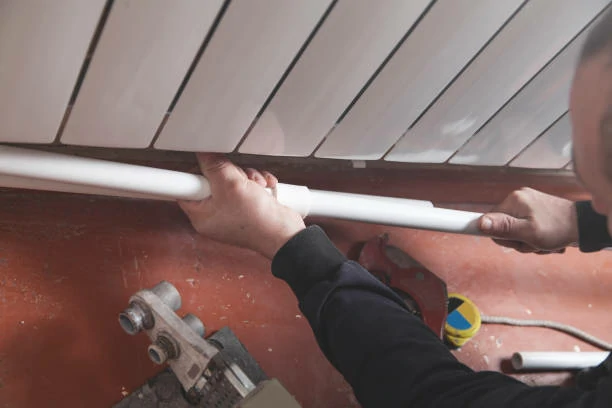
Polypropylene Random Copolymer (PPR) tubes have gained significant popularity in the plumbing industry due to their durability, flexibility, and resistance to high temperatures and chemicals. However, beyond their functional benefits, PPR tubes also offer notable environmental advantages. This article explores the environmental friendliness of them, examining their production, usage, and disposal, and how they contribute to sustainable practices in the construction and plumbing industries.
What Makes PPR Tubes Environmentally Friendly?
أنابيب البولي بروبيلين are made from polypropylene random copolymer, a type of plastic known for its eco-friendly properties. The material’s production process, longevity, and recyclability all contribute to its environmental benefits. Let’s delve into the specific aspects that make PPR tubes a sustainable choice.
Sustainable Production Process
The production of them involves several environmentally conscious practices that minimize their ecological footprint.
1. التصنيع الموفر للطاقة
Manufacturers of them often employ energy-efficient processes to reduce the overall energy consumption during production. Advanced technologies and optimized manufacturing techniques help in lowering greenhouse gas emissions, making the production process more sustainable.
2. Use of Recycled Materials
Many PPR tube manufacturers incorporate recycled polypropylene into their production process. By using recycled materials, they reduce the demand for virgin plastic, thereby conserving natural resources and reducing waste.
3. Low Emission Production
The production of them generates minimal emissions compared to other types of plastic piping. This low emission profile contributes to better air quality and a smaller carbon footprint.
طول العمر والمتانة
One of the most significant environmental benefits of them is their longevity and durability. These characteristics directly contribute to reducing waste and conserving resources.
1. عمر أطول
PPR tubes have an impressive lifespan, often exceeding under normal operating conditions. Their durability means fewer replacements are needed, reducing the amount of waste generated over time.
2. مقاومة التآكل والتقشر
Unlike metal pipes, PPR tubes do not corrode or scale, which can lead to leaks and failures. This resistance ensures that the tubes remain functional for a longer period, further minimizing the need for replacements and reducing waste.
3. متطلبات صيانة منخفضة
PPR tubes require minimal maintenance, which not only saves time and money but also reduces the environmental impact associated with frequent repairs and replacements.
Recyclability and End-of-Life Management
At the end of their long service life, PPR tubes can be recycled, contributing to a circular economy and reducing landfill waste.
1. Recycling Process
PPR tubes can be recycled into new plastic products, reducing the need for virgin materials. The recycling process involves collecting used tubes, cleaning them, and melting them down to produce new polypropylene products.
2. Reduction in Landfill Waste
By recycling PPR tubes, we can significantly reduce the amount of plastic waste that ends up in landfills. This practice helps in managing waste more effectively and mitigating the environmental impact of plastic disposal.
3. Promotion of Circular Economy
Recycling PPR tubes supports the concept of a circular economy, where materials are reused and recycled continuously, minimizing waste and conserving resources. This approach aligns with global sustainability goals and promotes responsible consumption and production.
Energy Efficiency in Usage
PPR tubes contribute to energy efficiency during their operational life, further enhancing their environmental friendliness.
1. خصائص العزل الحراري
PPR tubes have excellent thermal insulation properties, which help in maintaining the temperature of the water flowing through them. This characteristic reduces heat loss in hot water systems, leading to lower energy consumption for heating.
2. Reduced Pumping Energy
The smooth inner surface of them reduces friction and resistance to water flow. This feature allows for more efficient water transport, reducing the energy required for pumping and contributing to overall energy savings.
اعتبارات الصحة والسلامة
PPR tubes are not only environmentally friendly but also safe for human health, making them a responsible choice for plumbing systems.
1. مادة غير سامة
PPR is a non-toxic material that does not release harmful substances into the water. This safety feature ensures that the water remains clean and safe for consumption, protecting public health.
2. Resistance to Chemical Leaching
PPR tubes are resistant to chemical leaching, meaning they do not interact with the water or any chemicals present in it. This resistance ensures that the water quality remains uncompromised, further enhancing the safety and environmental benefits of them.
Contribution to Green Building Standards
PPR tubes align with various green building standards and certifications, making them an ideal choice for sustainable construction projects.
1. شهادة LEED
Projects that use them can earn points towards LEED (Leadership in Energy and Environmental Design) certification. The durability, recyclability, and energy efficiency of them contribute to achieving the sustainability criteria required for LEED certification.
2. BREEAM Certification
Similarly, PPR tubes can help projects meet the standards for BREEAM (Building Research Establishment Environmental Assessment Method) certification. Their environmental benefits support the overall sustainability goals of the building, enhancing its rating.
3. Other Green Building Standards
PPR tubes also align with other green building standards and certifications, such as Green Globes and WELL Building Standard. Their eco-friendly properties make them a valuable component in sustainable building design and construction.
دراسات الحالة والتطبيقات الواقعية
Several real-world applications and case studies highlight the environmental benefits of them in various settings.
1. المباني السكنية
In residential buildings, PPR tubes have been used extensively for hot and cold water supply systems. Their durability and low maintenance requirements have resulted in long-term environmental and economic benefits for homeowners.
2. المباني التجارية
Commercial buildings, such as offices, hotels, and hospitals, have also adopted PPR tubes for their plumbing systems. The energy efficiency and recyclability of PPR tubes contribute to the overall sustainability of these buildings.
3. التطبيقات الصناعية
In industrial settings, PPR tubes are used for transporting chemicals and other fluids. Their resistance to chemical corrosion and long lifespan make them an environmentally friendly choice for industrial applications.
الاتجاهات والابتكارات المستقبلية
The future of PPR tubes looks promising, with ongoing research and innovations aimed at further enhancing their environmental friendliness.
1. Development of Bio-Based PPR
Researchers are exploring the development of bio-based PPR, which would be made from renewable resources rather than fossil fuels. This innovation could significantly reduce the carbon footprint of them and make them even more sustainable.
2. Advanced Recycling Technologies
Advancements in recycling technologies are expected to improve the efficiency and effectiveness of recycling PPR tubes. These technologies could enable the recovery of more materials and reduce the environmental impact of plastic waste.
3. Integration with Smart Systems
The integration of them with smart plumbing systems could further enhance their energy efficiency and environmental benefits. Smart systems can optimize water usage, detect leaks, and monitor system performance, contributing to overall sustainability.
خاتمة
PPR tubes offer a range of environmental benefits that make them a sustainable choice for plumbing systems. From their energy-efficient production and long lifespan to their recyclability and contribution to green building standards, PPR tubes align with global sustainability goals. By choosing PPR tubes, we can reduce our environmental impact, conserve resources, and promote a circular economy. As innovations continue to enhance their eco-friendly properties, PPR tubes will remain a valuable component in sustainable construction and plumbing practices.
معيار IFAN الدولي
تلتزم شركة IFAN بمعايير دولية متعددة لضمان جودة منتجاتها وموثوقيتها. تشمل هذه المعايير سلسلة ISO 15874، وسلسلة EN 15874، وASTM F2389، وDIN 8077/8078، وسلسلة GB/T 18742، وNBR 15884. ومن خلال التزامها بهذه المعايير الصارمة، تضمن IFAN أن أنظمة الأنابيب الخاصة بها تلبي متطلبات السلامة والأداء والمتانة اللازمة لمختلف التطبيقات.
اتصال
IFAN شركة تصنيع محترفة بخبرة 30 عامًا، متخصصة في إنتاج الأنابيب والوصلات والصمامات البلاستيكية عالية الجودة. تشمل منتجاتنا صمامات النحاس، وصمامات البولي بروبيلين (PPR)، بالإضافة إلى مجموعة متنوعة من الأنابيب والوصلات لتلبية احتياجات العملاء المختلفة. سواءً كنتم بحاجة إلى أنابيب السباكة والصرف الصحي أو منتجات الصمامات، فإن IFAN قادرة على توفير مجموعة متنوعة من المنتجات عالية الجودة وبأسعار معقولة لدعم مشاريعكم. تجدون أدناه معلومات الاتصال بنا.
سوف نقوم بالرد على بريدك الإلكتروني أو الفاكس الخاص بك خلال 24 ساعة.
يمكنك الاتصال بنا في أي وقت إذا كان هناك أي سؤال حول إنتاجنا.
لمزيد من المعلومات، يرجى زيارة موقعنا على شبكة الإنترنت https://www.ifanplus.com/
يرجى إرسال بريد إلى: [email protected]
واتساب: +86 19857948982























