


مقدمة
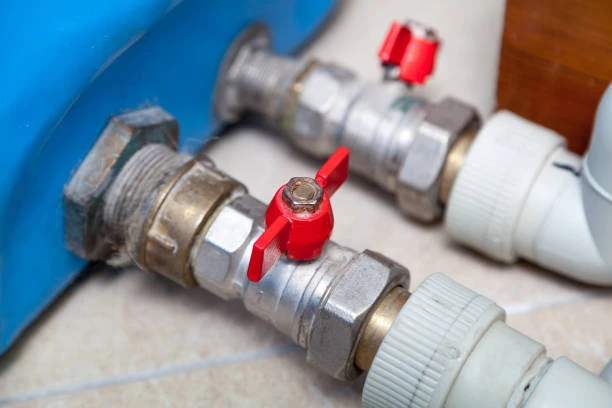
Copper ball valves play a crucial role in fluid control systems, offering durability, corrosion resistance, and excellent mechanical strength. These valves withstand high pressure, temperature fluctuations, and mechanical stress in industrial, residential, and commercial applications. The strength of copper ball valves depends on material composition, manufacturing processes, and design features. Engineers choose copper and its alloys to ensure structural integrity, long service life, and reliable performance in demanding environments.
Material Strength of Copper and Its Alloys
Pure copper provides good mechanical strength, but alloys like brass and bronze enhance hardness, tensile strength, and impact resistance. The combination of copper with zinc, tin, or nickel creates a material that withstands mechanical loads and environmental stress.
- نحاس: A copper-zinc alloy that increases hardness and strength while maintaining corrosion resistance.
- برونزي: A copper-tin alloy known for its superior durability and wear resistance.
- Nickel-plated copper: A coating that enhances surface hardness and mechanical durability.
Manufacturers select these alloys based on application needs, ensuring that copper ball valves handle different pressures and mechanical forces.
Structural Integrity Under Pressure
Copper ball valves operate efficiently in high-pressure systems. Their design ensures that they maintain shape and function under extreme conditions. Many industrial and plumbing applications require valves to withstand pressures exceeding 600 PSI.
- سمك الجدار: The thickness of the valve body affects its ability to resist pressure. Thicker walls increase strength and durability.
- Sealing components: Precision-engineered seats and seals ensure leak-proof operation under varying pressure levels.
- Ball mechanism: A solid, well-machined ball inside the valve withstands rotational force without deformation.
Copper alloys with higher tensile strength perform well in high-pressure systems, reducing the risk of leaks, cracks, or failure.
مقاومة الصدمات والإجهاد الميكانيكي
Copper ball valves endure physical impacts, vibrations, and mechanical stress in different environments. Plumbing systems, industrial pipelines, and HVAC systems expose these valves to constant movement and pressure changes.
- Drop resistance: Copper alloys absorb impact energy, preventing cracks or fractures during transportation or installation.
- Vibration tolerance: Secure connections and robust valve bodies minimize damage from continuous mechanical vibrations.
- Torque handling: The stem and handle design allow smooth operation without excessive wear.
Many industries prefer copper ball valves because they maintain mechanical integrity even under rough handling and demanding conditions.
Performance in High-Temperature Conditions
Copper’s thermal stability ensures reliable performance in extreme temperatures. Many applications expose valves to high heat, requiring materials that resist thermal expansion and softening.
- Thermal expansion control: Copper alloys maintain dimensional stability, preventing deformation under heat.
- High melting point: Copper melts at approximately 1,085°C, ensuring structural integrity in high-temperature environments.
- Heat dissipation: Copper conducts heat efficiently, reducing localized stress and preventing material failure.
Industrial applications, such as steam systems and hot water pipelines, benefit from copper ball valves due to their ability to withstand high temperatures without losing strength.
Wear Resistance and Longevity
Mechanical wear affects valve performance over time. Copper ball valves provide long-lasting operation due to their excellent wear resistance. The ball, seals, and valve body endure thousands of cycles without significant degradation.
- Friction reduction: Smooth ball rotation minimizes wear on internal components.
- مقاومة التآكل: Copper alloys resist oxidation and chemical wear, extending service life.
- مقاومة التآكل: The valve surface withstands contact with particulates in fluid systems.
Proper material selection and precision manufacturing ensure that copper ball valves maintain their mechanical strength throughout years of operation.
Applications Requiring High Mechanical Strength
Many industries demand high-strength valves to ensure safety and efficiency in fluid control systems. Copper ball valves function effectively in these environments:
- Plumbing and HVAC systems: High-pressure water and temperature variations require strong, leak-proof valves.
- Industrial piping systems: Manufacturing plants use copper ball valves in fluid transport under high mechanical stress.
- Oil and gas applications: Copper alloys provide durability in harsh conditions with pressure fluctuations.
- Marine and shipbuilding industries: Copper resists saltwater corrosion while maintaining mechanical integrity.
The strength and durability of copper ball valves make them a reliable choice for these applications.
Manufacturing Processes Enhancing Strength
Advanced manufacturing techniques improve the mechanical strength of copper ball valves. Precision engineering ensures high performance and reliability in real-world applications.
- Forging: Compressed metal grains enhance toughness and impact resistance.
- Heat treatment: Controlled heating and cooling processes improve hardness and strength.
- CNC machining: Precision machining ensures tight tolerances, reducing wear and mechanical stress.
These processes create valves with superior mechanical properties, ensuring long-term durability in demanding environments.
Maintenance and Service Life
Regular maintenance extends the lifespan of copper ball valves, preserving their mechanical strength. Proper care prevents wear, corrosion, and mechanical failure.
- Routine inspections: Checking for leaks, cracks, or wear ensures continued performance.
- تشحيم: Applying lubricants reduces friction and wear on moving parts.
- تنظيف: Removing debris and deposits prevents internal damage.
Proper maintenance practices improve reliability, reducing replacement costs and operational downtime.
خاتمة
Copper ball valves provide exceptional mechanical strength, making them suitable for high-pressure, high-temperature, and demanding industrial applications. Their durability, wear resistance, and structural integrity ensure long-lasting performance. Material selection, manufacturing processes, and regular maintenance contribute to their mechanical reliability, making them a preferred choice for fluid control systems.
معيار IFAN الدولي
تتوافق منتجات IFAN من البولي إيثيلين عالي الكثافة مع مختلف المعايير الدولية، مما يضمن الجودة والمتانة والموثوقية. تشمل هذه المعايير ASTM D3035 وASTM D3350، اللتين تحددان مواصفات أنابيب ومواد البولي إيثيلين (PE). وتضع سلسلتا ISO 4427 وEN 12201 معايير عالمية لأنابيب البولي إيثيلين المستخدمة في أنظمة إمدادات المياه. كما تحدد DIN 8074/8075 وGB/T 13663 متطلبات الأداء والأبعاد لأنابيب البولي إيثيلين عالي الكثافة في الأسواق الأوروبية والصينية. وتؤكد معايير أخرى معترف بها، مثل AS/NZS 4130 (أستراليا/نيوزيلندا)، وJIS K6760 (اليابان)، وBS 6572 (المملكة المتحدة)، وCSA B137.1 (كندا)، التزام IFAN بالامتثال للوائح الصناعة العالمية.
اتصال
IFAN شركة تصنيع محترفة بخبرة 30 عامًا، متخصصة في إنتاج الأنابيب والوصلات والصمامات البلاستيكية عالية الجودة. تشمل منتجاتنا صمامات النحاس، وصمامات البولي بروبيلين (PPR)، بالإضافة إلى مجموعة متنوعة من الأنابيب والوصلات لتلبية احتياجات العملاء المختلفة. سواءً كنتم بحاجة إلى أنابيب السباكة والصرف الصحي أو منتجات الصمامات، فإن IFAN قادرة على توفير مجموعة متنوعة من المنتجات عالية الجودة وبأسعار معقولة لدعم مشاريعكم. تجدون أدناه معلومات الاتصال بنا.
سوف نقوم بالرد على بريدك الإلكتروني أو الفاكس الخاص بك خلال 24 ساعة.
يمكنك الاتصال بنا في أي وقت إذا كان هناك أي سؤال حول إنتاجنا.
لمزيد من المعلومات، يرجى زيارة موقعنا على شبكة الإنترنت https://www.ifanplus.com/
يرجى إرسال بريد إلى: [email protected]
واتساب: +86 19857948982























