


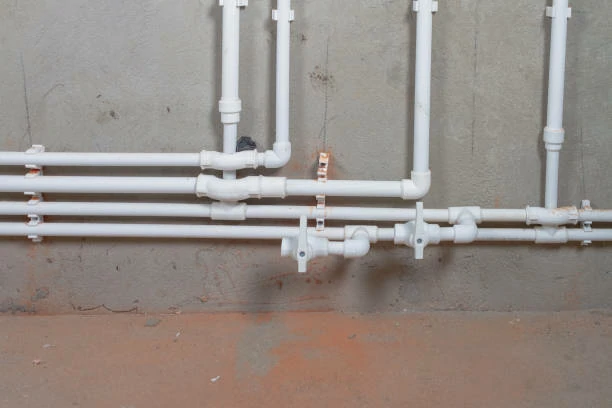
مقدمة
الأنابيب البلاستيكية serves in various applications, including water supply, drainage, industrial transport, and heating systems. Many environments expose pipes to freezing temperatures, requiring materials that remain durable and functional in extreme cold. Some plastics handle low temperatures better than others, maintaining flexibility and impact resistance. Engineers and manufacturers select materials with superior low-temperature performance to ensure reliability in cold climates.
Factors Affecting Low-Temperature Resistance
Several factors influence how well plastic pipes perform in cold environments. Engineers consider these variables when designing and selecting piping materials.
- تكوين المواد
Different plastics exhibit varying resistance to low temperatures. Some remain flexible, while others become brittle. Additives and molecular structures play a significant role in determining performance. - مقاومة الصدمات
Cold temperatures reduce a material’s ability to absorb impact without cracking. Plastic pipes with high impact resistance function better in freezing conditions. - التمدد والانكماش الحراري
Plastic pipes expand and contract with temperature changes. Materials with high flexibility accommodate these shifts without damage. - Moisture Absorption
Some plastics absorb water, which can freeze and cause expansion-related failures. Low-absorption materials perform better in cold environments. - سمك الجدار
Thicker walls provide extra protection against temperature extremes. Pipes designed for cold climates often have reinforced structures. - Installation and Handling Conditions
Plastic pipes experience stress during installation. Low-temperature flexibility prevents cracking during transport and setup.
Best Plastic Materials for Low-Temperature Conditions
Several plastic materials offer excellent low-temperature performance. Each type provides unique benefits for different applications.
- البولي إيثيلين عالي الكثافة (HDPE)
HDPE pipes perform well in freezing temperatures. Their flexibility prevents cracking, even when exposed to extreme cold. Many industries use HDPE for water and gas distribution in cold regions. - البولي إيثيلين المتشابك (PEX)
PEX pipes maintain flexibility and impact resistance at low temperatures. Their cross-linked molecular structure prevents brittleness, making them ideal for plumbing and heating systems. - البولي بروبيلين (PP)
PP pipes handle low temperatures without significant performance loss. Their resistance to cracking ensures durability in cold environments. - كلوريد البولي فينيل المكلور (CPVC)
CPVC pipes resist temperature fluctuations and maintain strength in cold conditions. Industrial applications use CPVC for transporting chemicals and hot water in low-temperature environments. - أكريلونيتريل بوتادين ستايرين (ABS)
ABS pipes provide excellent impact resistance in freezing temperatures. Their durability makes them suitable for drainage, venting, and industrial piping systems. - Ethylene Vinyl Acetate (EVA)
EVA pipes combine flexibility with cold resistance. Their soft and rubber-like properties allow them to function in extreme environments. - أنابيب البلاستيك الحراري المقواة (RTP)
RTP materials incorporate fiber reinforcements for enhanced strength and flexibility. These pipes handle both high and low temperatures effectively.
Applications of Cold-Resistant Plastic Piping
Various industries rely on plastic pipes that function in freezing conditions. Their durability ensures long-term performance in demanding environments.
- إمدادات المياه البلدية
Cities and towns in cold regions use plastic pipes to transport drinking water. Materials like HDPE and PEX prevent pipe bursts during winter. - توزيع الغاز
Gas pipelines require flexible plastic materials to handle low temperatures. HDPE pipes deliver reliable performance in subzero conditions. - أنظمة التدفئة
PEX and CPVC pipes transport hot water for heating applications. Their ability to withstand extreme temperatures makes them ideal for radiant floor heating. - نقل السوائل الصناعية
Factories use cold-resistant plastic pipes to transport chemicals and other fluids. CPVC and PP handle temperature fluctuations without degrading. - أنظمة الصرف الصحي والصرف الصحي
ABS and PP pipes manage wastewater and stormwater drainage in cold climates. Their impact resistance prevents damage from freezing water. - الري الزراعي
Farmers use plastic pipes to distribute water in cold regions. Flexible materials like HDPE ensure efficient irrigation without cracking. - Refrigeration Systems
Industrial refrigeration units rely on plastic pipes for fluid transport. Low-temperature-resistant materials maintain performance in cold storage facilities.
Advantages of Low-Temperature-Resistant Plastic Piping
Plastic pipes offer multiple benefits when used in cold environments. Their properties make them superior to metal alternatives in certain applications.
- Flexibility in Freezing Conditions
Many plastic pipes remain flexible even when exposed to extreme cold. This characteristic prevents cracks and structural failures. - مقاومة الصدمات
Cold-resistant plastic pipes absorb impact forces without breaking. Their toughness ensures reliability in harsh conditions. - خفيف الوزن وسهل التركيب
Plastic pipes weigh less than metal alternatives, simplifying transportation and installation. Their lightweight nature reduces labor costs. - مقاومة التآكل والمواد الكيميائية
Unlike metal pipes, plastic pipes do not corrode or react with chemicals. Their resistance to rust and degradation increases longevity. - Reduced Risk of Pipe Bursts
Some plastic pipes expand when water freezes inside them, preventing bursts. PEX piping, for example, can stretch under pressure and return to its original shape. - فعالية التكلفة
Cold-resistant plastic pipes provide long-term savings due to their durability and low maintenance requirements. Their affordability makes them a preferred choice in many industries. - سطح داخلي أملس
The smooth inner surface of plastic pipes reduces friction, allowing efficient fluid flow. This characteristic prevents blockages caused by ice buildup.
Testing and Standards for Low-Temperature Performance
Manufacturers conduct rigorous tests to ensure plastic pipes function in cold environments. Compliance with industry standards guarantees reliability.
- Impact Resistance Testing
Pipes undergo drop tests at low temperatures to measure their ability to withstand impact without cracking. - Cold Bend Testing
Flexibility tests determine whether pipes can bend without breaking under freezing conditions. - Freeze-Thaw Cycle Testing
Pipes experience repeated freezing and thawing to evaluate their long-term performance. - Tensile Strength Testing
Pipes undergo stress tests to measure their ability to handle pressure changes in cold environments. - الامتثال لمعايير الصناعة
Organizations like ASTM, ISO, and NSF establish guidelines for plastic piping in cold conditions. Meeting these standards ensures safe and efficient performance.
Future Trends in Cold-Resistant Plastic Piping
Innovations continue to improve plastic piping for low-temperature applications. Research focuses on enhancing flexibility, strength, and environmental sustainability.
- Advanced Polymer Formulations
New plastic blends provide better low-temperature resistance. These formulations improve impact resistance and durability. - Reinforced Plastic Pipes
Fiber and composite reinforcements strengthen plastic pipes for extreme environments. This innovation expands their application range. - Self-Regulating Heating Pipes
Some plastic pipes integrate heating elements to prevent freezing. These systems improve efficiency in cold climates. - Sustainable and Recyclable Materials
Eco-friendly plastics reduce environmental impact. Manufacturers develop recyclable options for cold-resistant piping. - أنظمة المراقبة الذكية
Integrated sensors track temperature changes and detect potential freezing risks. These systems improve pipe performance and maintenance efficiency.
خاتمة
Plastic pipes with excellent low-temperature performance serve in critical applications worldwide. Materials like HDPE, PEX, PP, CPVC, and ABS offer flexibility and impact resistance in freezing conditions. Industries rely on these pipes for water supply, gas distribution, heating, drainage, and industrial transport. Cold-resistant plastic pipes provide advantages such as lightweight construction, corrosion resistance, and cost-effectiveness. Rigorous testing ensures these pipes meet strict industry standards. Innovations in polymer science and smart technologies will continue to improve plastic piping for cold environments, ensuring reliable performance in the future.
معيار IFAN الدولي
تتوافق منتجات IFAN من البولي إيثيلين عالي الكثافة مع مختلف المعايير الدولية، مما يضمن الجودة والمتانة والموثوقية. تشمل هذه المعايير ASTM D3035 وASTM D3350، اللتين تحددان مواصفات أنابيب ومواد البولي إيثيلين (PE). وتضع سلسلتا ISO 4427 وEN 12201 معايير عالمية لأنابيب البولي إيثيلين المستخدمة في أنظمة إمدادات المياه. كما تحدد DIN 8074/8075 وGB/T 13663 متطلبات الأداء والأبعاد لأنابيب البولي إيثيلين عالي الكثافة في الأسواق الأوروبية والصينية. وتؤكد معايير أخرى معترف بها، مثل AS/NZS 4130 (أستراليا/نيوزيلندا)، وJIS K6760 (اليابان)، وBS 6572 (المملكة المتحدة)، وCSA B137.1 (كندا)، التزام IFAN بالامتثال للوائح الصناعة العالمية.
اتصال
IFAN شركة تصنيع محترفة بخبرة 30 عامًا، متخصصة في إنتاج الأنابيب والوصلات والصمامات البلاستيكية عالية الجودة. تشمل منتجاتنا صمامات النحاس، وصمامات البولي بروبيلين (PPR)، بالإضافة إلى مجموعة متنوعة من الأنابيب والوصلات لتلبية احتياجات العملاء المختلفة. سواءً كنتم بحاجة إلى أنابيب السباكة والصرف الصحي أو منتجات الصمامات، فإن IFAN قادرة على توفير مجموعة متنوعة من المنتجات عالية الجودة وبأسعار معقولة لدعم مشاريعكم. تجدون أدناه معلومات الاتصال بنا.
سوف نقوم بالرد على بريدك الإلكتروني أو الفاكس الخاص بك خلال 24 ساعة.
يمكنك الاتصال بنا في أي وقت إذا كان هناك أي سؤال حول إنتاجنا.
لمزيد من المعلومات، يرجى زيارة موقعنا على شبكة الإنترنت https://www.ifanplus.com/
يرجى إرسال بريد إلى: [email protected]
واتساب: +86 19857948982























