


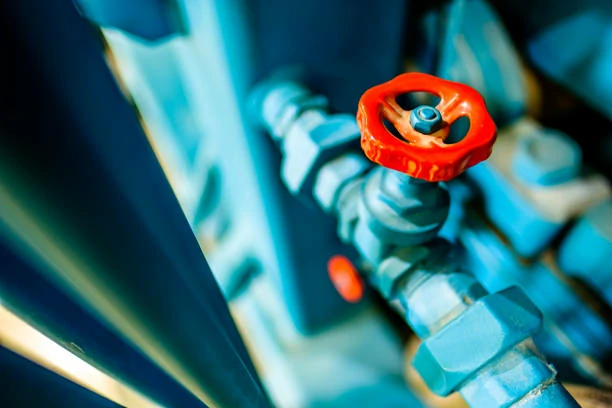
1. Introduction to Exhaust Valves in Plumbing
Exhaust valves regulate air and gases in plumbing systems. They ensure air exits without causing blockages. These valves support proper flow and system efficiency. Without them, air can build up and reduce pressure balance. As a result, drains may become slow or noisy. For example, when a toilet flushes, air must leave pipes quickly. Exhaust valves help release that trapped air. Therefore, flow remains smooth and consistent. In both residential and commercial plumbing, these valves serve a critical role. You can find them in sinks, tubs, and vent stacks. They respond to pressure changes and open when needed. Most models use a spring-loaded or gravity-assisted mechanism. Once the pressure normalizes, the valve closes again. Because of this design, water and gas stay where intended. Before understanding their structure, we must know why air must vent. Proper venting prevents vacuum formation inside pipes. So, exhaust valves protect plumbing systems from internal damage. Overall, they make plumbing cleaner, quieter, and more reliable.
2. Purpose of Exhaust Valves
Exhaust valves help maintain air balance in plumbing systems. They act as automatic release points during water flow. Whenever water drains, it pulls air with it. This airflow creates suction in the surrounding pipes. If air cannot enter or leave properly, negative pressure forms. Consequently, this may pull water out of traps and seals. That allows sewer gas to enter indoor spaces. Exhaust valves stop this from happening. They open briefly to release trapped air. Then they close tightly to block odors and gases. You often find them in remote areas without traditional vents. For instance, basement sinks benefit from air admittance valves. These exhaust-style valves prevent the need for long vertical stacks. In mobile homes or small bathrooms, they save space and cost. Because of their small size, they install easily in confined spaces. Therefore, exhaust valves create a more flexible plumbing layout. They support safety, hygiene, and efficiency across various system types.
3. How the Mechanism Works
Exhaust valves use a simple mechanical system to operate. Most rely on internal pressure differences to function. When water flows through pipes, it creates suction nearby. That negative pressure pulls on the valve’s diaphragm or seal. The diaphragm then lifts, allowing air to enter or gas to escape. Once the pressure equalizes, gravity or a spring closes the valve. This quick action prevents backflow or odor leakage. Exhaust valves do not use electricity or sensors. Their reliability comes from simple physics and good engineering. Because of that, they require minimal maintenance. For example, an air admittance valve on a kitchen sink opens during drainage. It closes right after, blocking sewer gases from rising. The sealing materials usually include rubber, silicone, or nylon. These materials resist corrosion and maintain flexibility over time. Additionally, some exhaust valves include filters to trap debris. These prevent clogging and extend valve life. The overall process happens silently and within seconds.
4. Types of Exhaust Valves in Plumbing
Several types of exhaust valves exist for different plumbing needs. One common type is the air admittance valve (AAV). It allows air to enter but blocks sewer gases. Another example is the vacuum relief valve. It opens when internal vacuum pressure becomes too strong. This valve protects appliances like water heaters and dishwashers. Drainage systems often use mini-vent valves near fixture traps. These small devices stop water seals from being broken. You may also encounter dual-function exhaust valves. These handle both air inflow and pressure relief. Some specialized valves include built-in filters or odor traps. Materials vary by application. Plastic valves suit residential settings. Brass or stainless-steel valves fit commercial systems. In addition, valve size depends on pipe diameter and flow volume. Before choosing a valve, plumbers consider usage frequency and location. For instance, high-rise buildings may need high-capacity valves. Mobile homes require compact, lightweight options. With so many types available, each system finds a suitable match.
5. Installation and Placement Guidelines
Proper valve placement ensures full system efficiency. Install valves close to fixtures but above water traps. That position allows quick response to pressure changes. Never place exhaust valves below flood level rims. Doing so risks backflow contamination. Use appropriate adapters or extensions when needed. Valves must remain accessible for inspection and maintenance. Concealing them inside walls may violate plumbing codes. Check local regulations before installing exhaust valves indoors. Many areas approve air admittance valves for residential use. Use a saw or pipe cutter to insert the valve into the vent line. Then secure it using thread sealant or compression fittings. Ensure upright positioning to support gravity closure. If the valve tilts, it may not seal correctly. For outdoor applications, protect the valve from weather exposure. Install caps or housings to block dirt and insects. When unsure, consult licensed plumbers or product manuals. Correct installation prevents long-term system failures. Once installed properly, valves require little attention.
6. Maintenance and Troubleshooting
Exhaust valves need occasional checks to maintain performance. Over time, dust or grease may affect sealing surfaces. Clean valves gently with water and mild soap. Avoid harsh chemicals that degrade rubber components. If a valve fails to close, inspect its spring or diaphragm. Replace worn parts to restore normal operation. Unusual odors may indicate leaks or poor sealing. In such cases, tighten fittings or use plumber’s tape. If the valve clogs, remove debris manually or flush with clean water. Most issues resolve without full replacement. However, if the valve breaks or warps, install a new one. Choose the same size and type to match existing piping. Regular inspection every six months helps prevent surprises. Keep a checklist for valves in multiple locations. In commercial buildings, log valve inspections and service history. This ensures consistent system hygiene and safety. Early action reduces costly repairs and avoids plumbing downtime. Well-maintained valves extend overall system lifespan.
7. Common Applications in Residential and Commercial Systems
Exhaust valves serve various plumbing needs in homes and businesses. In homes, you often see them in island sinks and basement bathrooms. These locations lack traditional vent stacks. AAVs allow proper drainage without complex pipe extensions. In laundry rooms, valves help washers drain faster. In commercial kitchens, they prevent odors in dishwashing areas. Grocery stores use valves near floor drains to block foul air. Hospitals use special valves in sterile areas to control air pressure. Schools and public buildings depend on durable exhaust valves. They improve system performance while reducing maintenance needs. In mobile homes, valves simplify compact layouts. Even RVs and boats benefit from small air admittance valves. Exhaust valves also support temporary plumbing setups. For instance, portable restrooms rely on valve-controlled ventilation. Overall, their adaptability suits nearly every plumbing scenario. This wide usage proves their value across the industry.
8. Conclusion: The Role of Exhaust Valves in Modern Plumbing
Exhaust valves play a crucial role in plumbing efficiency. They maintain air balance and prevent odor problems. Their simple design ensures long-lasting function with little maintenance. Compared to traditional vent stacks, they save space and cost. Whether in homes or commercial buildings, these valves support hygiene and safety. With proper installation, they perform silently and reliably. They adapt to many systems, from bathrooms to food services. Their durability and low maintenance make them ideal for modern plumbing. For new construction or renovation, consider exhaust valves for smarter ventilation. Choose the correct type based on application and local codes. A well-placed valve improves overall system health and reduces repair needs. Embrace these compact, efficient solutions to improve daily plumbing operations.
نظرة عامة على معايير منتجات IFAN
تُصنّع شركة IFAN منتجاتها وفقًا للمعايير الدولية والإقليمية لتلبية مختلف متطلبات السوق. تتوافق منتجاتنا مع مواصفات ISO 15874، وEN 15874، وASTM F2389، وDIN 8077/8078، وGB/T 18742، وNBR 15884 لأنظمة PPR. كما نلتزم بمعايير ISO 15494، وEN ISO 15494، وGB/T 19472، وNBR 15494 لتطبيقات الأنابيب الصناعية. وتُطبّق معايير ASTM D1785 SCH40/SCH80، وDIN 8061/8062، وISO 1452، وAS/NZS 1477، وNSF/ANSI 14 على أنظمة PVC لدينا. بالنسبة لأنابيب البولي إيثيلين عالي الكثافة والغاز، نلتزم بمعايير ISO 4437، وEN 12201، وASTM D2513، وASTM D3035، وGB/T 13663. أما أنابيب الفولاذ المقاوم للصدأ والأنابيب المركبة، فتتوافق مع معايير ASTM A312، وISO 10380، وASTM F1974، وISO 21003. ومن المعايير الأخرى المدعومة CSA B137، وBS 7291، وJIS K6741، وTIS 17-2532/1131-2535. تضمن IFAN جودة موثوقة وتوافقًا عاليًا من خلال استيفائها لهذه المواصفات المعترف بها عالميًا.
اتصال
IFAN شركة تصنيع محترفة بخبرة 30 عامًا، متخصصة في إنتاج الأنابيب والوصلات والصمامات البلاستيكية عالية الجودة. تشمل منتجاتنا صمامات النحاس، وصمامات البولي بروبيلين (PPR)، بالإضافة إلى مجموعة متنوعة من الأنابيب والوصلات لتلبية احتياجات العملاء المختلفة. سواءً كنتم بحاجة إلى أنابيب السباكة والصرف الصحي أو منتجات الصمامات، فإن IFAN قادرة على توفير مجموعة متنوعة من المنتجات عالية الجودة وبأسعار معقولة لدعم مشاريعكم. تجدون أدناه معلومات الاتصال بنا.
سوف نقوم بالرد على بريدك الإلكتروني أو الفاكس الخاص بك خلال 24 ساعة.
يمكنك الاتصال بنا في أي وقت إذا كان هناك أي سؤال حول إنتاجنا.
لمزيد من المعلومات، يرجى زيارة موقعنا على شبكة الإنترنت https://www.ifanplus.com/
يرجى إرسال بريد إلى: [email protected]
واتساب: +86 19857948982























