


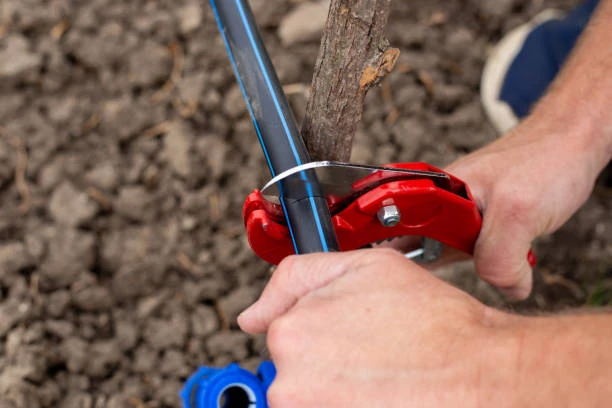
تجهيزات أنابيب البولي إيثيلين عالي الكثافة (HDPE) are widely recognized for their superior strength, durability, and ease of use in various industries. They are commonly used in water supply systems, sewage systems, industrial pipelines, and agricultural irrigation, among others. However, to ensure the long-term reliability and optimal performance of these pipe fittings, regular maintenance is essential. Proper maintenance helps prevent system failures, reduce downtime, and prolong the service life of HDPE piping systems. This article provides an in-depth discussion of the maintenance practices for HDPE pipe fittings, focusing on installation, inspection, cleaning, and repair methods to ensure their continued efficiency.
Introduction to HDPE Pipe Fittings
HDPE pipe fittings are made from high-density polyethylene, a thermoplastic polymer known for its toughness and resistance to chemicals, corrosion, and UV rays. These fittings are available in various configurations, including elbows, tees, couplings, reducers, and flanges, and they are commonly used to connect, divert, or control the flow of water, gas, or chemicals through pipelines.
The main advantage of HDPE pipe fittings is their longevity and resistance to various harsh conditions. Their flexibility allows them to be used in areas where traditional materials like metal or concrete would fail due to corrosion or cracking. However, despite their robustness, HDPE pipe fittings require regular maintenance to ensure they remain free from damage, leaks, and other issues that could compromise the efficiency of the entire pipeline system.
Installation Considerations for HDPE Pipe Fittings
Proper installation is the first step in ensuring the longevity and performance of HDPE pipe fittings. Though these fittings are relatively easy to install, improper installation can lead to various problems, including leaks, misalignment, and system failure. Below are some key installation considerations to enhance the reliability of HDPE pipe fittings.
1. Selecting the Right Fittings
The first step in proper installation is ensuring that the right HDPE pipe fittings are chosen for the specific application. HDPE pipe fittings are available in different sizes, pressure ratings, and configurations. Selecting the wrong type or size of fitting can lead to issues such as poor sealing or stress on the system, which may result in leaks or breakage. Always refer to the manufacturer’s guidelines for the appropriate fittings based on the system’s pressure and flow requirements.
2. Use of Proper Joining Techniques
HDPE pipe fittings require specific joining techniques to ensure strong and leak-free connections. The most common methods used to join HDPE fittings with pipes are butt fusion, electrofusion, and socket fusion. Each method requires precision and care to ensure a solid connection that can withstand pressure and environmental stresses.
- دمج الأرداف: This method involves heating the ends of HDPE pipes and fittings and then pressing them together. The heat causes the materials to melt and fuse, forming a strong bond that is resistant to leaks.
- الاندماج الكهربائي: This method uses an electrically heated fitting to create a weld between the pipe and the fitting. Electrofusion is typically used for smaller diameter pipes and can be done in the field with minimal equipment.
- دمج المقبس: This method involves using a heating element to melt the pipe and the fitting at their connection point. After heating, the two parts are joined together, creating a strong bond once the material cools.
3. Ensuring Proper Alignment
Proper alignment during installation is essential to prevent unnecessary strain on HDPE pipe fittings. Misaligned pipes or fittings can cause stress on the joints, which can lead to cracks or leaks over time. It is important to use alignment tools to keep the pipes and fittings in a straight line during installation, and avoid excessive bending, which could lead to failure.
4. Environmental Considerations
During installation, environmental factors such as temperature, humidity, and soil conditions must be taken into account. Extreme temperatures can affect the integrity of the HDPE pipe fittings and their joints. It is best to install HDPE pipe fittings when the environmental conditions are ideal. Additionally, HDPE is resistant to UV rays, but prolonged exposure can lead to degradation. Protective covers should be used if the pipes are exposed to sunlight for long periods.
Routine Inspection and Monitoring of HDPE Pipe Fittings
Even after the HDPE pipe fittings are installed, regular inspection and monitoring are critical to ensure their continued performance and reliability. Routine checks help identify early signs of wear, damage, or deterioration, allowing for prompt repairs or replacements.
1. Visual Inspections
Performing visual inspections regularly is the most straightforward method of identifying potential problems with HDPE pipe fittings. During these inspections, look for signs of stress, cracks, leaks, or physical damage. Common issues include:
- Cracking or Fractures: These can occur due to extreme temperature changes, excessive pressure, or impact. Cracks may lead to leaks if not addressed promptly.
- Leaking Joints: Leaks at the joints are often caused by improper fusion during installation, poor alignment, or wear over time.
- التشوه: Over time, can deform due to external pressure or high temperatures. This deformation can compromise the function of the fitting.
If any of these issues are detected, take immediate action to address them to prevent further damage.
2. اختبار الضغط
Pressure testing is a more thorough method of inspecting HDPE pipe fittings for leaks or weaknesses. By pressurizing the system, you can detect leaks that might not be visible during a standard inspection. Typically, the system is pressurized to its working pressure, and then closely monitored for any loss of pressure, which indicates a potential leak.
Pressure tests should be conducted at regular intervals to ensure that the entire piping system, including the HDPE pipe fittings, remains intact and free from leaks.
Cleaning and Maintenance of HDPE Pipe Fittings
Regular cleaning is vital to the upkeep of HDPE pipe fittings, especially in systems where they transport materials like chemicals, slurry, or wastewater. Without regular cleaning, debris and deposits can build up inside the pipes and fittings, leading to blockages or reduced flow efficiency.
1. Cleaning the Interior of HDPE Pipes and Fittings
To maintain the internal cleanliness of HDPE pipes and fittings, regular flushing should be done. This helps remove any debris, sediments, or chemical buildup inside the pipes that could obstruct flow or cause corrosion. The cleaning process involves running water or appropriate cleaning agents through the system to clear out any unwanted substances.
For systems that transport corrosive or abrasive materials, it may be necessary to use specialized cleaning solutions that are compatible with HDPE. Always refer to the manufacturer’s instructions for cleaning recommendations to ensure that the material is not damaged during the process.
2. External Cleaning
External cleaning of HDPE pipe fittings ensures that dirt, algae, or mold does not accumulate on the surface of the fittings, which can interfere with the system’s performance. Use a soft brush or cloth to remove dirt, and avoid using abrasive materials or harsh chemicals that could damage the HDPE material. For fittings exposed to sunlight, UV-protective coatings can help prolong their lifespan and prevent degradation.
3. Preventing Scale and Mineral Build-Up
In some regions, hard water can lead to mineral build-up inside the pipes and fittings. If left untreated, this scale accumulation can restrict flow, reduce system efficiency, and potentially cause pipe blockages. Regular inspection and cleaning are essential to prevent mineral buildup, particularly in systems that transport water.
Repairing Damaged HDPE Pipe Fittings
While HDPE pipe fittings are known for their durability, they can still sustain damage over time. Fortunately, repairing HDPE fittings is relatively straightforward compared to other materials. The repair method largely depends on the type of damage that has occurred.
1. Repairing Cracks or Fractures
Small cracks or fractures in HDPE pipe fittings can be repaired using fusion welding techniques. This involves using a specialized fusion tool to melt the damaged area and then fuse it with new HDPE material. In some cases, the damaged section of the fitting can be replaced entirely to ensure the system’s integrity.
2. Sealing Leaks
Leaks in HDPE pipe fittings can often be sealed by redoing the fusion connection or replacing the gasket seals. If the leak is due to poor fusion during installation, the fitting can be refitted using the appropriate fusion technique. In cases where the fitting has aged and degraded, a complete replacement may be necessary.
3. Replacing Damaged Fittings
In some cases, particularly for fittings that have sustained significant damage, replacement may be the only viable option. When replacing damaged HDPE pipe fittings, it is crucial to ensure that the new fitting is of the same size, pressure rating, and material specifications as the original fitting to maintain system performance and safety.
خاتمة
HDPE pipe fittings offer exceptional durability, resistance to corrosion, and ease of installation, making them a popular choice in numerous industries. However, regular maintenance is essential to ensure that these fittings continue to perform at their best throughout their service life. Proper installation, routine inspections, regular cleaning, and prompt repairs are critical aspects of maintaining the functionality and longevity of HDPE pipe fittings. By following these best practices, industries can maximize the reliability, efficiency, and lifespan of their HDPE piping systems, ultimately reducing costs and improving system performance.
معيار IFAN الدولي
تتوافق منتجات IFAN من البولي إيثيلين عالي الكثافة مع مختلف المعايير الدولية، مما يضمن الجودة والمتانة والموثوقية. تشمل هذه المعايير ASTM D3035 وASTM D3350، اللتين تحددان مواصفات أنابيب ومواد البولي إيثيلين (PE). وتضع سلسلتا ISO 4427 وEN 12201 معايير عالمية لأنابيب البولي إيثيلين المستخدمة في أنظمة إمدادات المياه. كما تحدد DIN 8074/8075 وGB/T 13663 متطلبات الأداء والأبعاد لأنابيب البولي إيثيلين عالي الكثافة في الأسواق الأوروبية والصينية. وتؤكد معايير أخرى معترف بها، مثل AS/NZS 4130 (أستراليا/نيوزيلندا)، وJIS K6760 (اليابان)، وBS 6572 (المملكة المتحدة)، وCSA B137.1 (كندا)، التزام IFAN بالامتثال للوائح الصناعة العالمية.
اتصال
IFAN شركة تصنيع محترفة بخبرة 30 عامًا، متخصصة في إنتاج الأنابيب والوصلات والصمامات البلاستيكية عالية الجودة. تشمل منتجاتنا صمامات النحاس، وصمامات البولي بروبيلين (PPR)، بالإضافة إلى مجموعة متنوعة من الأنابيب والوصلات لتلبية احتياجات العملاء المختلفة. سواءً كنتم بحاجة إلى أنابيب السباكة والصرف الصحي أو منتجات الصمامات، فإن IFAN قادرة على توفير مجموعة متنوعة من المنتجات عالية الجودة وبأسعار معقولة لدعم مشاريعكم. تجدون أدناه معلومات الاتصال بنا.
سوف نقوم بالرد على بريدك الإلكتروني أو الفاكس الخاص بك خلال 24 ساعة.
يمكنك الاتصال بنا في أي وقت إذا كان هناك أي سؤال حول إنتاجنا.
لمزيد من المعلومات، يرجى زيارة موقعنا على شبكة الإنترنت https://www.ifanplus.com/
يرجى إرسال بريد إلى: [email protected]
واتساب: +86 19857948982























