


مقدمة
In today’s world, sustainability drives material choices in construction and plumbing. PVC plastic pipes offer an environmentally responsible solution without sacrificing performance. Their long lifespan, recyclability, and efficient production make them ideal for projects focused on reducing environmental impact.
This article explores the eco-friendly advantages of PVC plastic pipes, highlights their key benefits, and explains how they support green construction.
What Is PVC Plastic Pipe?
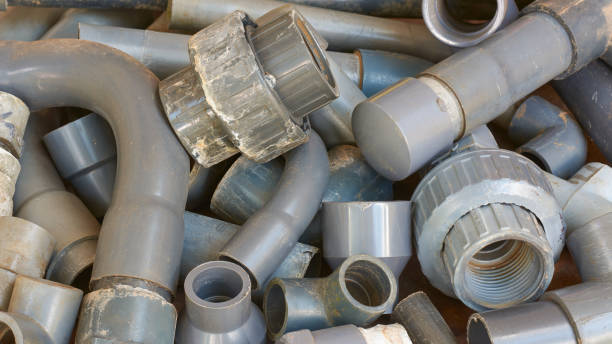
PVC stands for polyvinyl chloride. It is a durable thermoplastic material used in various piping systems. PVC pipes resist corrosion, tolerate pressure, and last for decades, making them a staple in modern infrastructure.
PVC pipes are used in water supply, drainage, irrigation, and industrial systems. Their popularity stems from affordability, strength, and ease of use.
Eco-Friendly Properties of PVC Pipes
1. عمر خدمة طويل
PVC plastic pipes can last over under normal conditions. In underground or protected installations, they often function for more than a century. This durability reduces the need for frequent replacements, lowering material consumption and waste generation.
2. Low Environmental Impact During Production
The manufacturing process of PVC pipes consumes less energy than metal or concrete alternatives. Because PVC is lightweight, less fuel is used in transportation. This lowers greenhouse gas emissions throughout the supply chain.
Compared to traditional materials, PVC requires fewer raw materials and produces less construction debris.
3. Recyclability
PVC plastic pipes can be recycled multiple times without losing strength. Many manufacturers now accept used PVC for recycling into new pipes or other plastic products. This reduces landfill waste and supports a circular economy.
Recycled PVC often finds use in non-pressure applications like conduit, fencing, and drainage.
4. Corrosion Resistance
Unlike metal pipes, PVC does not rust, scale, or corrode. This resistance ensures stable water flow and avoids contamination. It also eliminates the need for protective coatings or chemical treatments, which can harm the environment.
5. Safe for Drinking Water
PVC plastic pipes meet health and safety standards for potable water systems. Their smooth interior surfaces reduce bacterial growth and do not leach harmful substances. This helps ensure safe, clean water delivery.
6. Low Maintenance Requirements
Because PVC resists blockages and damage from external factors, it requires less maintenance. This saves energy and resources typically spent on repairs or replacements.
Environmental Advantages Compared to Other Materials
vs. Metal Pipes
- Metal pipes, such as copper or galvanized steel, require mining and high-energy smelting.
- Metal corrosion produces waste and can contaminate water systems.
- PVC offers a lighter, corrosion-free alternative with lower embodied energy.
vs. Concrete Pipes
- Concrete is heavy and consumes a large amount of energy during production.
- Transporting and installing concrete pipes require heavy equipment.
- PVC pipes weigh less, reducing fuel consumption and installation energy.
Applications That Support Sustainability
1. Urban Infrastructure
PVC is commonly used in urban water distribution, sewage systems, and stormwater management. Its longevity and leak-resistant joints help reduce water loss and maintenance frequency.
2. الري الزراعي
In agriculture, PVC pipes deliver water efficiently to crops, reducing waste. Their durability in varying climates supports long-term farming systems.
3. Green Building Projects
Sustainable buildings incorporate PVC piping for water and waste systems. Builders value its low carbon footprint and recyclable nature.
4. Renewable Energy Projects
PVC pipes serve geothermal and solar thermal systems as conduits for fluid transport. Their thermal resistance and chemical stability improve system efficiency.
Innovations That Enhance Eco-Friendliness
1. Green Formulations
Some manufacturers now produce PVC pipes using bio-based plasticizers or stabilizers. These reduce dependence on fossil fuels and harmful additives like lead.
2. Energy-Efficient Extrusion
Advancements in pipe extrusion technology allow manufacturers to reduce energy use and minimize emissions during production.
3. Third-Party Certifications
Many eco-friendly PVC products are certified by organizations like NSF International or carry ISO 14001 environmental management credentials. These verify responsible sourcing and production.
Tips for Maximizing Sustainability with PVC Pipes
- Choose certified products from manufacturers committed to recycling and low emissions.
- Recycle unused or old PVC through approved recycling programs.
- Use PVC in designs that minimize material waste through efficient layout planning.
- Educate contractors and customers on the environmental benefits of PVC piping.
معالجة المخاوف المشتركة
Environmental Impact of Raw Materials
PVC is derived from salt and fossil fuels. While fossil resources are non-renewable, the amount used in PVC is lower compared to many plastics. Salt, being abundant, makes up more than half of PVC’s composition by weight.
Manufacturers are also exploring renewable alternatives to fossil-based ingredients, further reducing the environmental footprint.
Disposal and Waste
PVC pipes should never be incinerated outside of regulated facilities, as burning can release toxins. However, proper disposal and recycling prevent this risk. Municipal recycling programs and industry-supported take-back schemes improve end-of-life outcomes.
Why PVC Pipes Are a Smart Green Choice
PVC combines performance, safety, and environmental responsibility. Whether in residential plumbing or large-scale municipal projects, these pipes deliver long-term sustainability. Their ability to reduce waste, energy use, and water loss makes them a key component in green construction.
Choosing environmentally friendly PVC plastic pipes supports a cleaner, healthier future—without compromising on quality or efficiency.
خاتمة
PVC plastic pipes represent more than just a practical plumbing solution. They embody a shift toward responsible material use in a world increasingly focused on sustainability. With proper sourcing, installation, and recycling, PVC pipes can play a vital role in reducing environmental impact while supporting modern infrastructure needs.
By selecting PVC for your next project, you choose a proven, eco-conscious material that delivers performance today and environmental benefits for decades to come.
معيار IFAN الدولي
تُصنّع شركة IFAN أنابيب PVC البلاستيكية وفقًا لمجموعة واسعة من المعايير الدولية لتلبية متطلبات السوق العالمية. تشمل هذه المعايير BS 3505، وBS 4346، وASTM D1785 SCH40/SCH80، ومعايير DIN، ومعايير GB، وDWV. كما تلتزم مجموعة منتجاتنا بمعايير ASTM D2665، وASTM D2241، وASTM D2729، وASTM F441/F441M، بالإضافة إلى سلسلة ISO 1452 وEN ISO 1452. وتلبي أنابيب IFAN متطلبات إضافية مثل DIN 8061/8062، وسلسلة GB/T 10002، وAS/NZS 1477، وJIS K6741، وCSA B137.3، وNSF/ANSI 14، وTIS 17-2532/1131-2535، مما يضمن أداءً موثوقًا وحصولًا على شهادات في مختلف الأسواق الإقليمية.
اتصال
IFAN شركة تصنيع محترفة بخبرة 30 عامًا، متخصصة في إنتاج الأنابيب والوصلات والصمامات البلاستيكية عالية الجودة. تشمل منتجاتنا صمامات النحاس، وصمامات البولي بروبيلين (PPR)، بالإضافة إلى مجموعة متنوعة من الأنابيب والوصلات لتلبية احتياجات العملاء المختلفة. سواءً كنتم بحاجة إلى أنابيب السباكة والصرف الصحي أو منتجات الصمامات، فإن IFAN قادرة على توفير مجموعة متنوعة من المنتجات عالية الجودة وبأسعار معقولة لدعم مشاريعكم. تجدون أدناه معلومات الاتصال بنا.
سوف نقوم بالرد على بريدك الإلكتروني أو الفاكس الخاص بك خلال 24 ساعة.
يمكنك الاتصال بنا في أي وقت إذا كان هناك أي سؤال حول إنتاجنا.
لمزيد من المعلومات، يرجى زيارة موقعنا على شبكة الإنترنت https://www.ifanplus.com/
يرجى إرسال بريد إلى: [email protected]
واتساب: +86 19857948982























