


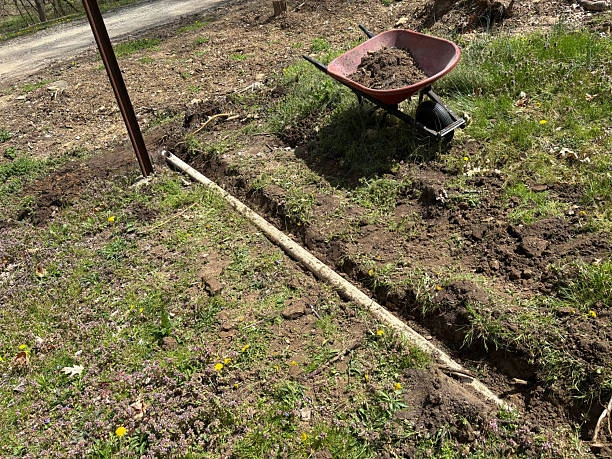
أنابيب البولي فينيل كلوريد أصبحت أنابيب البولي فينيل كلوريد حلاً أساسياً للعديد من احتياجات الأنابيب في القطاعات السكنية والتجارية والصناعية. بفضل متانتها وسعرها المناسب وتعدد استخداماتها، أثبتت هذه الأنابيب أنها خيار موثوق لمجموعة واسعة من التطبيقات. سنستكشف في هذه المقالة خصائصها التقنية واستخداماتها الشائعة ونصائح التركيب ومقارناتها مع...
Polyvinyl Chloride Pipes: Strong and Cost-Effective
الأسئلة الشائعة
Q1: What are polyvinyl chloride pipes?
Polyvinyl chloride pipes, commonly known as PVC pipes, consist of a synthetic plastic polymer used for transporting fluids and gases. These pipes offer excellent mechanical strength and chemical resistance at a reasonable price.
Q2: What are the typical uses of polyvinyl chloride pipes?
PVC pipes serve in plumbing, irrigation, drainage systems, industrial fluid transport, and electrical conduit applications. Their versatility suits both indoor and outdoor installations.
Q3: What advantages do polyvinyl chloride pipes have over other pipes?
They resist corrosion, are lightweight, cost less than metal pipes, and allow faster installation. Additionally, they require minimal maintenance and deliver long service life.
Definition and Technical Characteristics of Polyvinyl Chloride Pipes
Manufacturers produce polyvinyl chloride pipes by extruding high-quality PVC resin into smooth, uniform tubes. This process ensures consistent wall thickness and structural strength. Below, we list their key technical features:
- High chemical resistance: They tolerate most acids, alkalis, and salts, which makes them ideal for harsh environments.
- Wide temperature range: PVC pipes perform effectively between 0°C and 60°C without losing strength.
- خفيف الوزن: Their low density simplifies handling and reduces labor costs.
- Sufficient rigidity: Despite some flexibility, they maintain structural stability under pressure.
- Electrical insulation: They do not conduct electricity, making them safe for conduit use.
- Affordable: Compared to metal or composite pipes, PVC offers a budget-friendly alternative without compromising quality.
These features make polyvinyl chloride pipes an all-around solution for diverse fluid and cable transport needs.
Common Applications of Polyvinyl Chloride Pipes by Sector
1. Construction Industry
In construction, PVC pipes commonly protect electrical wiring and carry water or sewage. Their corrosion resistance prevents leaks and extends system longevity. Additionally, the pipes’ smooth interior reduces friction, improving flow efficiency.
2. Agriculture
Farmers use them extensively in irrigation systems. Whether in drip irrigation or sprinklers, PVC pipes resist exposure to water, fertilizers, and pesticides. This durability ensures consistent water delivery and fewer repairs.
3. Industrial Usage
Industries rely on these pipes to transport air, water, and chemical solutions. Due to their chemical resistance, they function well with non-aggressive fluids, reducing system downtime. Furthermore, their lightweight nature simplifies reconfiguration or expansion of piping networks.
4. Laboratories and Medical Facilities
PVC pipes help in transporting non-flammable gases and fluids in labs and hospitals. Their inert properties prevent unwanted chemical reactions, ensuring safety and purity. Also, the pipes facilitate easy cleaning and sterilization.
5. Residential Applications
Homeowners choose polyvinyl chloride pipes for plumbing, drainage, and electrical conduits. Installation remains simple and quick, reducing disruption during renovations. Moreover, their longevity offers homeowners peace of mind for years to come.
Practical Guide to Selecting Polyvinyl Chloride Pipes
1. Confirm Pipe Specifications
First, verify the pipe diameter and wall thickness suit your project requirements. Incorrect sizing may lead to leaks or pressure failure.
2. Choose the Right Type of PVC
PVC pipes come in various formulations:
- PVC-U (unplasticized): Most common, rigid and affordable.
- PVC-C (chlorinated): Suitable for higher temperature applications.
- Flexible PVC: Rarely used for pressure pipes, but available for special cases.
PVC-U usually fits most standard needs thanks to its balanced properties.
3. Check for Quality Standards
Select pipes that comply with relevant standards such as ASTM or ISO. This ensures durability, safety, and compatibility with fittings.
4. Opt for Standard Lengths
Polyvinyl chloride pipes typically come in 3 to 6-meter lengths. Choosing standard sizes helps minimize waste and facilitates efficient installation.
5. Buy from Trusted Manufacturers
Rely on established suppliers who provide certified products and customer support. Reliable manufacturers maintain consistent quality and offer technical assistance.
Installation Tips for Polyvinyl Chloride Pipes
- Protect from direct sunlight: UV rays can degrade PVC over time, so cover exposed pipes or use UV-resistant variants.
- Use appropriate solvent cement: Clean pipe ends thoroughly before applying adhesives to ensure strong joints.
- Maintain proper alignment: Avoid bending or twisting pipes during installation to prevent cracks.
- Use fittings for direction changes: Always use elbows or connectors rather than forcing pipes to bend.
- Perform pressure tests: Test the system before finalizing installation to detect leaks early.
Comparison with Other Pipe Types
| ميزة | أنابيب البولي فينيل كلوريد | الأنابيب المعدنية | أنابيب PEX |
|---|---|---|---|
| الموصلية الحرارية | قليل | عالي | واسطة |
| مقاومة التآكل | عالي | قليل | عالي |
| سهولة التثبيت | عالي | قليل | عالي |
| يكلف | قليل | عالي | واسطة |
| Expected Lifespan | 25– | 10– | 30– |
This comparison highlights that polyvinyl chloride pipes deliver excellent balance between durability, cost, and usability.
Conclusion and Recommendations
Polyvinyl chloride pipes represent a durable, lightweight, and versatile option for many piping applications. Their chemical resistance, easy installation, and affordability position them as a preferred material for plumbing, irrigation, industrial use, and more.
To ensure project success, always choose certified pipes from reputable manufacturers. Doing so guarantees reliable performance and long-term value in both residential and commercial projects.
اتصل بـ IFAN للحصول على الكتالوجات والعينات
هل تحتاج إلى مستندات فنية أو كتالوجات أو نماذج منتجات؟ تواصل مع IFAN اليوم.
📧 البريد الإلكتروني: [email protected]
📱 واتساب: +86 19857948982
يستجيب فريقنا بسرعة ويوفر الدعم المهني لجميع احتياجات خط الأنابيب الخاص بك.
معيار IFAN الدولي
تُصنّع أنابيب IFAN البلاستيكية وفقًا لمجموعة واسعة من المعايير الدولية لضمان الجودة والتوافق والأداء. تشمل هذه المعايير BS 3505، وBS 4346، وASTM D1785 SCH40 وSCH80، وDIN 8061/8062، وسلسلة GB/T 10002، وDWV، وASTM D2665، وASTM D2241، وASTM D2729، وASTM F441/F441M، وسلسلة ISO 1452، وEN ISO 1452، وAS/NZS 1477، وJIS K6741، وCSA B137.3، وNSF/ANSI 14، وTIS 17-2532/1131-2535. تعكس هذه الشهادات التزام IFAN بتوفير أنظمة أنابيب عالية الجودة مناسبة للأسواق العالمية ومجموعة متنوعة من التطبيقات، بما في ذلك إمدادات المياه والصرف الصحي والأنظمة الصناعية.























