


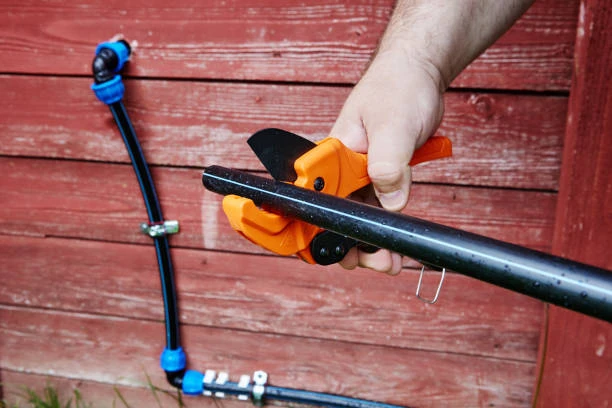
أ قاطع الأنابيب يُعدّ قاطع الأنابيب أداةً أساسيةً لقطع الأنابيب أو المواسير بدقة. تُبسّط قطعه الفعّالة والنظيفة أعمال السباكة والميكانيكا والبناء. لتصميم قاطع أنابيب فعّال، يجب على المهندسين مراعاة وظائف الأداة وبيئة العمل والمواد المستخدمة فيها ومتانتها. تستكشف هذه المقالة الجوانب الأساسية لتصميم قاطع أنابيب يلبي...
Understanding User Requirements
Before beginning the design, understanding user needs proves essential. Users typically require a cutter that performs consistently on different tube materials like PVC, copper, or stainless steel. The tool must deliver clean cuts without leaving burrs or deforming the tube. Professionals in plumbing or manufacturing demand a durable design for frequent use, while DIY users prefer compact, easy-to-operate options. Addressing these expectations guides the design process.
Selecting the Cutting Mechanism
The cutting mechanism forms the core of the tube cutter. Options include rotary cutters, ratchet cutters, and shear-style mechanisms. Rotary cutters use a sharp circular blade that rotates around the tube to make precise cuts. These cutters work well for hard materials like metal pipes.
Ratchet cutters rely on a progressive squeezing motion to cut through tubes, proving effective for softer materials such as PVC or PEX. Shear-style cutters feature dual-blade systems that slice through the tube. This type suits small-diameter tubes where simplicity matters. Selecting the appropriate mechanism aligns the design with target materials and user requirements.
اختيار المواد
Materials determine the cutter’s durability, weight, and efficiency. High-carbon steel or tungsten carbide works well for the blade, providing sharpness and longevity. Aluminum alloys or hardened plastics often serve as the body material, balancing durability with lightweight construction. Corrosion-resistant coatings extend the tool’s lifespan, especially when users cut metal tubes exposed to moisture.
Ergonomic Considerations
Ergonomics enhance user comfort and safety. A well-designed handle improves grip, reduces hand fatigue, and ensures precision during use. Soft rubber grips or textured surfaces prevent slipping, even with wet or oily hands. The handle design must suit both left-handed and right-handed users, ensuring universal functionality. Compact designs improve portability and ease storage.
Designing the Blade Assembly
The blade assembly requires attention to detail for efficient cutting. Adjustable blade tension ensures consistent performance on different tube diameters and materials. Engineers often incorporate a quick-release mechanism for fast blade changes. Blade sharpness and alignment guarantee smooth cuts. For safety, including a retractable blade mechanism minimizes the risk of accidental injuries.
Mechanism for Tube Clamping
Secure clamping stabilizes the tube during cutting. Without proper stabilization, cuts become uneven or misaligned. Spring-loaded or screw-tightened clamps offer reliable tube holding. Adjustable clamps accommodate various tube diameters, increasing versatility. Engineers must ensure the clamping mechanism operates smoothly to avoid damaging the tube’s surface.
Compact and Portable Design
Portability matters for users who frequently move between job sites. A compact design reduces weight and space requirements. Foldable or retractable components contribute to a portable design. Engineers can also include integrated blade storage compartments, keeping spare blades accessible without increasing the tool’s size.
Incorporating Measurement Features
Adding measurement guides enhances precision and convenience. Laser-etched scales on the cutter body allow users to measure tube lengths directly on the tool. For higher precision, incorporating a digital display with length measurements offers a modern solution. These features minimize the need for additional measuring tools, streamlining the cutting process.
Ensuring Durability
Durability impacts the cutter’s reliability and lifespan. Reinforced blade mounts prevent deformation under heavy use. Shock-resistant body materials withstand accidental drops. Testing the design under various conditions ensures its durability meets industry standards. Regular stress tests during development help identify weak points for improvement.
Emphasizing Safety
Safety features reduce risks for users. Blade guards prevent accidental contact with sharp edges. Automatic locking mechanisms keep the blade in place when not in use. Including a safety lock on the handle ensures the cutter remains closed during storage or transport. Engineers must consider safety without compromising usability.
Aesthetic and Branding Elements
Although functionality remains the priority, an attractive design adds value. Sleek lines, vibrant colors, and distinctive branding create a visually appealing product. Customization options, such as interchangeable grips or user-specific color schemes, allow users to personalize their cutters. Branding ensures the product stands out in a competitive market.
Prototyping and Testing
Creating prototypes validates the design’s practicality. Engineers test the prototypes on various materials and under real-world conditions. Feedback from professional users identifies necessary improvements. Iterative prototyping ensures the final product balances performance, durability, and user comfort. Testing for compliance with industry safety standards guarantees a market-ready tool.
Addressing Environmental Concerns
Eco-friendly designs attract environmentally conscious consumers. Using recyclable materials for the body reduces environmental impact. Incorporating long-lasting blades minimizes waste from frequent replacements. Engineers can also consider solar-powered or battery-operated versions for sustainable operation in specific applications.
Designing for Mass Production
For commercial success, designs must suit large-scale manufacturing. Modular components simplify assembly and repair. Engineers should optimize the design for efficient material use, reducing costs. Including universal parts compatible with existing tools enhances the product’s versatility. Mass production techniques like injection molding ensure consistency across units.
خاتمة
Designing a tube cutter requires balancing functionality, durability, ergonomics, and aesthetics. Engineers must address user needs while ensuring safety and environmental responsibility. By focusing on material selection, cutting mechanisms, and user comfort, the design achieves efficiency and reliability. Prototyping and testing refine the design, paving the way for a tool that performs exceptionally in professional and DIY settings.
معيار IFAN الدولي
تتوافق منتجات IFAN مع مجموعة من المعايير المعترف بها دوليًا، مما يضمن الجودة والأداء في مختلف التطبيقات. تشمل هذه المعايير سلسلة معايير ISO 15874 التي تحدد مواصفات أنظمة الأنابيب البلاستيكية؛ وسلسلة معايير EN 15874 التي تغطي متطلبات أنابيب ووصلات البولي إيثيلين (PE) في أنظمة توزيع المياه؛ وASTM F2389 التي تحدد معايير أنظمة أنابيب البولي إيثيلين المتشابك (PEX)؛ وDIN 8077/8078 التي تتناول أبعاد واختبار الأنابيب البلاستيكية؛ وسلسلة معايير GB/T 18742، وهي المعايير الوطنية الصينية للأنابيب ووصلات البلاستيك؛ وNBR 15884، وهو معيار برازيلي لأنظمة أنابيب البولي إيثيلين والـ PEX. تُثبت هذه الشهادات التزام IFAN بتوفير منتجات موثوقة وعالية الجودة تتوافق مع معايير الصناعة العالمية.
اتصال
IFAN شركة تصنيع محترفة بخبرة 30 عامًا، متخصصة في إنتاج الأنابيب والوصلات والصمامات البلاستيكية عالية الجودة. تشمل منتجاتنا صمامات النحاس، وصمامات البولي بروبيلين (PPR)، بالإضافة إلى مجموعة متنوعة من الأنابيب والوصلات لتلبية احتياجات العملاء المختلفة. سواءً كنتم بحاجة إلى أنابيب السباكة والصرف الصحي أو منتجات الصمامات، فإن IFAN قادرة على توفير مجموعة متنوعة من المنتجات عالية الجودة وبأسعار معقولة لدعم مشاريعكم. تجدون أدناه معلومات الاتصال بنا.
سوف نقوم بالرد على بريدك الإلكتروني أو الفاكس الخاص بك خلال 24 ساعة.
يمكنك الاتصال بنا في أي وقت إذا كان هناك أي سؤال حول إنتاجنا.
لمزيد من المعلومات، يرجى زيارة موقعنا على شبكة الإنترنت https://www.ifanplus.com/
يرجى إرسال بريد إلى: [email protected]
واتساب: +86 19857948982























