


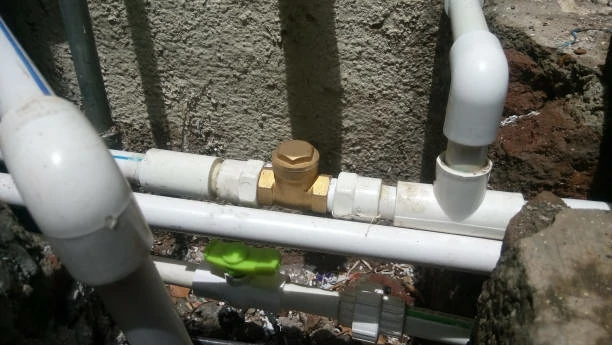
CPVC (Chlorinated Polyvinyl Chloride) pipe fittings serve a vital role in the chemical industry. Their excellent chemical resistance, durability, and ease of installation make them ideal for handling aggressive fluids. Many chemical plants use أنابيب CPVC systems for transporting acids, bases, and other corrosive substances. Compared to traditional metal pipes, CPVC offers cost savings and extended service life.
Chemical Resistance of CPVC Pipe Fittings
CPVC withstands a wide range of chemicals without degradation. Many strong acids, such as sulfuric acid and hydrochloric acid, do not affect CPVC. Even caustic solutions, like sodium hydroxide, fail to weaken CPVC’s structure.
Unlike metal pipes, CPVC does not corrode when exposed to aggressive substances. This feature ensures a long lifespan and reduces maintenance needs. Many industries choose CPVC over stainless steel and other corrosion-resistant alloys because it provides better long-term performance at a lower cost.
Chemical plants often handle mixed chemical flows. CPVC maintains its integrity in complex chemical environments. Its molecular structure resists chemical attacks, ensuring safe fluid transport.
المتانة والقوة الميكانيكية
CPVC pipe fittings provide excellent mechanical strength in industrial applications. High-impact resistance ensures reliable performance in harsh environments. Many chemical plants operate under extreme conditions, requiring piping systems that can withstand mechanical stress.
Temperature fluctuations frequently occur in chemical processing. CPVC remains stable under both high and low temperatures, preventing structural failures. Unlike some plastics, which become brittle over time, CPVC retains its flexibility and durability.
Unlike metal pipes, which require protective coatings to prevent corrosion, CPVC naturally resists chemical damage. Many facilities operate CPVC piping systems for decades without significant degradation.
Handling Corrosive Substances
Many chemical processes involve highly corrosive substances. CPVC pipe fittings safely transport these fluids without material breakdown. Compared to other thermoplastics, CPVC provides superior resistance to acids, bases, and organic solvents.
Battery production plants use CPVC for handling sulfuric acid, ensuring safe electrolyte transport. Electronics manufacturers depend on CPVC to move etching solutions without contamination risks. Chemical refineries transport aggressive compounds through CPVC pipes without leaks or failures.
Unlike metal pipes, which suffer from oxidation, CPVC remains stable even when exposed to oxidizing agents. Many industries rely on CPVC for long-term chemical transport applications.
Thermal Stability in Industrial Settings
Many chemical reactions generate high temperatures. CPVC maintains its strength even in extreme heat. Unlike standard PVC, which softens at elevated temperatures, CPVC withstands much higher thermal loads.
Chemical plants often experience temperature variations during processing. CPVC handles these fluctuations without losing mechanical integrity. Many facilities use CPVC for hot fluid transport, ensuring consistent performance under thermal stress.
Unlike some plastics, which degrade when exposed to heat, CPVC retains its properties over long periods. This characteristic makes CPVC ideal for industrial applications requiring both chemical and thermal resistance.
سهولة التركيب والصيانة
CPVC pipe fittings install easily using solvent welding. This technique creates leak-free joints without requiring complex tools. Unlike metal pipes, which need welding or threading, CPVC connections form quickly and securely.
Many chemical plants prefer CPVC because of its lightweight nature. Workers transport and assemble CPVC piping systems faster than metal alternatives. This feature reduces labor costs and speeds up project completion.
Maintenance remains simple with CPVC piping. Unlike metal pipes, which require periodic inspections for corrosion, CPVC systems operate with minimal upkeep. Many industrial facilities save significant costs by switching to CPVC.
مقارنة CPVC بمواد الأنابيب الأخرى
Many industries consider different materials for chemical processing applications. CPVC outperforms traditional options in many aspects.
- الفولاذ المقاوم للصدأ: While resistant to some chemicals, stainless steel corrodes over time and requires expensive coatings. CPVC eliminates these concerns and offers a more affordable solution.
- أنابيب البولي بروبيلين (PP): While PP handles some chemicals, it lacks CPVC’s pressure resistance and thermal stability. Many chemical plants prefer CPVC for its superior performance.
- أنابيب PVDF (بولي فينيلدين فلوريد): PVDF resists many aggressive chemicals but costs significantly more than CPVC. Many industries choose CPVC for its balance of cost and durability.
- الأنابيب المبطنة بالزجاج: These pipes provide chemical resistance but require careful handling due to fragility. CPVC offers a shatterproof alternative with equal chemical protection.
CPVC provides the best combination of chemical resistance, mechanical strength, and affordability. Many industries rely on CPVC for critical fluid transport applications.
Industrial Applications of CPVC Pipe Fittings
CPVC pipe fittings serve various functions in the chemical industry. Many manufacturing plants use CPVC for processing chemicals safely.
- Chemical Production Facilities: CPVC transports raw materials and finished chemical products without degradation. Many plants prefer CPVC for its long-term reliability.
- محطات معالجة مياه الصرف الصحي: Many chemical plants generate acidic waste streams. CPVC piping systems handle these aggressive fluids without leaking or corroding.
- المختبرات: Many research facilities use CPVC for handling corrosive chemicals in controlled environments. CPVC provides a safe and cost-effective solution for laboratory applications.
- Pharmaceutical Manufacturing: Many pharmaceutical plants depend on CPVC for transporting chemicals without contamination risks. Unlike metal pipes, CPVC does not react with transported substances.
- Food Processing Facilities: Many food and beverage manufacturers use CPVC for handling cleaning agents and processing chemicals. CPVC prevents contamination and ensures food safety compliance.
Many industries recognize CPVC’s benefits and incorporate it into critical chemical processing operations.
Longevity and Cost Savings
CPVC pipe fittings provide long-term cost savings in industrial applications. Unlike metal pipes, which require frequent maintenance, CPVC systems operate with minimal upkeep. Many facilities reduce maintenance budgets by choosing CPVC.
Unlike traditional plastics, which degrade under chemical exposure, CPVC retains its properties for decades. Many plants install CPVC systems once and operate them without major repairs.
Energy efficiency also supports CPVC’s widespread use. Unlike metal pipes, which require energy-intensive manufacturing, CPVC production consumes less energy. Many companies choose CPVC to reduce environmental impact and operating costs.
السلامة والفوائد البيئية
Many chemical plants prioritize safety in piping systems. CPVC enhances workplace safety by eliminating corrosion risks. Unlike some materials, CPVC does not release harmful substances into transported fluids.
Fire-resistant properties further improve safety. CPVC does not sustain combustion and self-extinguishes when removed from a flame. Many industrial plants prefer CPVC for handling flammable chemicals safely.
Environmental benefits also contribute to CPVC’s popularity. Many industries choose CPVC because it reduces resource consumption and minimizes waste. Unlike metal pipes, which require protective coatings, CPVC functions without additional treatments.
CPVC’s lightweight nature reduces transportation emissions, further supporting sustainability efforts. Many companies adopt CPVC to meet environmental regulations and improve operational efficiency.
خاتمة
CPVC pipe fittings provide essential benefits for the chemical industry. Their chemical resistance, thermal stability, and mechanical strength make them ideal for handling aggressive fluids. Many industries rely on CPVC for safe and cost-effective chemical transport.
Compared to metal pipes, CPVC eliminates corrosion issues and reduces maintenance costs. Many facilities operate CPVC piping systems for decades without major failures. CPVC’s long-term durability ensures reliable performance in demanding industrial environments.
Many chemical plants, laboratories, and manufacturing facilities choose CPVC for its superior chemical resistance and affordability. Its ease of installation, safety features, and environmental benefits make CPVC a preferred solution for modern chemical processing applications.
معيار IFAN الدولي
تتوافق منتجات IFAN من البولي إيثيلين عالي الكثافة مع مختلف المعايير الدولية، مما يضمن الجودة والمتانة والموثوقية. تشمل هذه المعايير ASTM D3035 وASTM D3350، اللتين تحددان مواصفات أنابيب ومواد البولي إيثيلين (PE). وتضع سلسلتا ISO 4427 وEN 12201 معايير عالمية لأنابيب البولي إيثيلين المستخدمة في أنظمة إمدادات المياه. كما تحدد DIN 8074/8075 وGB/T 13663 متطلبات الأداء والأبعاد لأنابيب البولي إيثيلين عالي الكثافة في الأسواق الأوروبية والصينية. وتؤكد معايير أخرى معترف بها، مثل AS/NZS 4130 (أستراليا/نيوزيلندا)، وJIS K6760 (اليابان)، وBS 6572 (المملكة المتحدة)، وCSA B137.1 (كندا)، التزام IFAN بالامتثال للوائح الصناعة العالمية.
اتصال
IFAN شركة تصنيع محترفة بخبرة 30 عامًا، متخصصة في إنتاج الأنابيب والوصلات والصمامات البلاستيكية عالية الجودة. تشمل منتجاتنا صمامات النحاس، وصمامات البولي بروبيلين (PPR)، بالإضافة إلى مجموعة متنوعة من الأنابيب والوصلات لتلبية احتياجات العملاء المختلفة. سواءً كنتم بحاجة إلى أنابيب السباكة والصرف الصحي أو منتجات الصمامات، فإن IFAN قادرة على توفير مجموعة متنوعة من المنتجات عالية الجودة وبأسعار معقولة لدعم مشاريعكم. تجدون أدناه معلومات الاتصال بنا.
سوف نقوم بالرد على بريدك الإلكتروني أو الفاكس الخاص بك خلال 24 ساعة.
يمكنك الاتصال بنا في أي وقت إذا كان هناك أي سؤال حول إنتاجنا.
لمزيد من المعلومات، يرجى زيارة موقعنا على شبكة الإنترنت https://www.ifanplus.com/
يرجى إرسال بريد إلى: [email protected]
واتساب: +86 19857948982























