


مقدمة
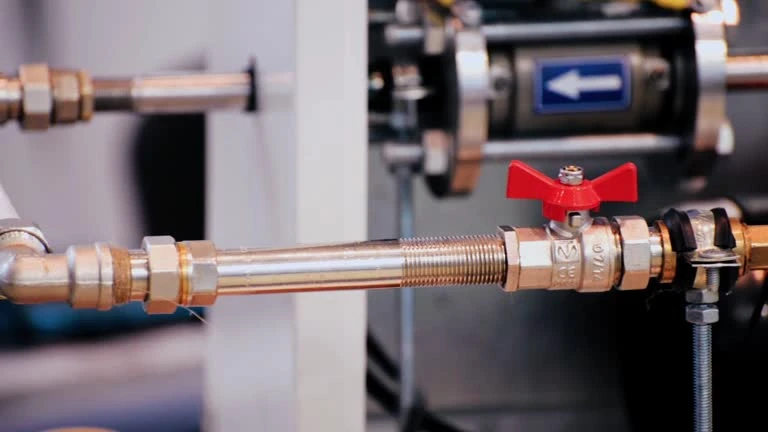
Copper ball valves regulate fluid flow in plumbing, industrial, and medical applications. Their durability, corrosion resistance, and thermal stability make them reliable in various environments. In addition to these benefits, copper provides strong antibacterial properties, reducing microbial contamination. This characteristic enhances safety in water supply systems, hospitals, and food processing industries.
Copper’s natural antimicrobial effects minimize bacterial growth, preventing biofilm formation and reducing infection risks. Industries seeking hygienic solutions prefer copper ball valves because they maintain cleanliness and improve public health.
Copper’s Antibacterial Mechanism
Copper eliminates bacteria through direct contact. Microorganisms landing on copper surfaces experience cell wall damage, protein degradation, and DNA destruction. These processes occur within minutes or hours, depending on environmental conditions.
- Cell wall disruption: Copper ions penetrate bacterial membranes, causing structural breakdown.
- Protein and enzyme damage: Copper interacts with essential proteins, leading to metabolic failure.
- DNA degradation: Copper ions bind to genetic material, preventing bacterial replication.
Copper continuously eliminates harmful bacteria, ensuring long-term protection in environments requiring strict hygiene.
Effectiveness Against Bacteria and Viruses
Studies confirm copper’s ability to eliminate various bacteria, viruses, and fungi. Copper ball valves contribute to microbial control in public water systems, hospitals, and food facilities.
- Escherichia coli (E. coli): Copper surfaces destroy E. coli, reducing risks of waterborne infections.
- Staphylococcus aureus: Contact with copper disrupts this pathogen, preventing hospital-acquired infections.
- Pseudomonas aeruginosa: Copper minimizes biofilm formation, improving water system cleanliness.
- Influenza and Coronaviruses: Copper damages viral structures, decreasing transmission risks.
Copper alloys maintain antimicrobial activity, offering effective microbial resistance across different applications.
التطبيقات في أنظمة إمدادات المياه
Municipal water systems require hygienic materials to prevent bacterial contamination. Copper ball valves contribute to clean water distribution by eliminating harmful microbes.
- السباكة السكنية: Copper reduces bacterial growth in household water systems.
- Hospital water supply: Copper prevents pathogen transmission in healthcare facilities.
- Public water infrastructure: Copper valves maintain microbial control in large-scale distribution networks.
Copper’s continuous antimicrobial action improves water quality and minimizes health risks.
Medical and Healthcare Uses
Hospitals and medical facilities require antimicrobial materials to reduce infection rates. Copper ball valves contribute to hygienic fluid control in these environments.
- Medical gas systems: Copper ensures sterile conditions in oxygen and anesthesia delivery systems.
- Surgical water supply: Copper minimizes contamination risks in operating rooms.
- Laboratory fluid control: Copper ball valves maintain sterile conditions in research and testing facilities.
The antimicrobial properties of copper improve hygiene, protecting patients and healthcare professionals.
Food and Beverage Industry Applications
Food processing plants and beverage manufacturers require strict sanitation standards. Copper ball valves enhance hygiene by preventing bacterial growth in fluid transport systems.
- Dairy processing: Copper reduces microbial contamination in milk and cheese production.
- Brewery systems: Copper ball valves maintain cleanliness in beer and beverage processing.
- تغليف المواد الغذائية: Copper ensures sanitary fluid control in food-grade applications.
Copper’s antibacterial properties help food manufacturers comply with safety regulations, reducing contamination risks.
Reduction of Biofilm Formation
Biofilms consist of bacteria forming protective layers on surfaces. These layers resist cleaning methods and antimicrobial agents, leading to contamination risks. Copper disrupts biofilm development, preventing bacterial buildup in fluid systems.
- Disrupting bacterial attachment: Copper ions interfere with bacterial adhesion.
- Preventing colony formation: Copper reduces microbial clustering on valve surfaces.
- Maintaining clean pipelines: Copper ball valves minimize biofilm accumulation, ensuring efficient fluid flow.
Biofilm prevention enhances hygiene in water systems, industrial pipelines, and medical applications.
Comparisons with Other Valve Materials
Copper outperforms many common valve materials in terms of antimicrobial effectiveness.
- الفولاذ المقاوم للصدأ: Lacks antimicrobial properties, allowing bacteria to persist on surfaces.
- بلاستيك: Provides a breeding ground for microbes, increasing contamination risks.
- النحاس والبرونز: Offer partial antimicrobial benefits due to copper content but require higher purity levels for optimal performance.
Copper’s superior antibacterial effects make it the preferred choice for hygienic fluid control applications.
المتانة والأداء طويل الأمد
Copper ball valves maintain antimicrobial activity over time. Unlike coatings or chemical treatments, copper’s antibacterial properties do not degrade with use.
- Continuous microbial reduction: Copper surfaces eliminate bacteria without requiring additional treatments.
- مقاومة التآكل: Copper alloys withstand harsh environments while retaining antimicrobial properties.
- Minimal maintenance requirements: Copper reduces biofilm formation, lowering cleaning frequency.
Industries benefit from copper’s long-lasting antimicrobial effects, reducing maintenance costs and improving system reliability.
الاستدامة والتأثير البيئي
Copper provides an eco-friendly solution for antimicrobial applications. Its natural properties eliminate the need for chemical disinfectants, reducing environmental impact.
- قابلية إعادة التدوير: Copper retains antimicrobial effectiveness even after recycling.
- Reduced chemical usage: Copper ball valves minimize reliance on harsh cleaning agents.
- Lower energy consumption: Reduced biofilm formation decreases the need for high-temperature sterilization.
Sustainable antimicrobial solutions improve environmental responsibility while maintaining high hygiene standards.
Maintenance and Cleaning Considerations
Proper maintenance enhances the performance of copper ball valves in antimicrobial applications. Routine inspections and cleaning preserve efficiency.
- Regular flushing: Removing stagnant water prevents mineral buildup and maintains antimicrobial effectiveness.
- Mild cleaning solutions: Avoiding harsh chemicals protects copper surfaces and maintains long-term durability.
- Inspection of moving parts: Ensuring smooth valve operation prevents leaks and mechanical wear.
Consistent maintenance supports the longevity and antimicrobial performance of copper ball valves.
Future Innovations in Antimicrobial Copper Valves
Researchers continue to develop new applications for copper’s antibacterial properties. Advancements in material engineering enhance performance in fluid control systems.
- Enhanced copper alloys: New compositions improve strength and microbial resistance.
- Nanostructured surfaces: Engineered textures increase antimicrobial effectiveness.
- Self-cleaning coatings: Innovative treatments combine copper’s antibacterial properties with dirt-resistant surfaces.
Ongoing research expands the possibilities for copper ball valves in hygiene-critical industries.
خاتمة
Copper ball valves offer natural antibacterial properties, making them essential for hygienic fluid control in water supply systems, healthcare facilities, and food processing industries. Their ability to eliminate bacteria, reduce biofilm formation, and maintain long-term antimicrobial effectiveness ensures reliable and safe operation. With durability, sustainability, and low maintenance requirements, copper ball valves remain a superior choice for industries prioritizing hygiene and safety.
معيار IFAN الدولي
تتوافق منتجات IFAN من البولي إيثيلين عالي الكثافة مع مختلف المعايير الدولية، مما يضمن الجودة والمتانة والموثوقية. تشمل هذه المعايير ASTM D3035 وASTM D3350، اللتين تحددان مواصفات أنابيب ومواد البولي إيثيلين (PE). وتضع سلسلتا ISO 4427 وEN 12201 معايير عالمية لأنابيب البولي إيثيلين المستخدمة في أنظمة إمدادات المياه. كما تحدد DIN 8074/8075 وGB/T 13663 متطلبات الأداء والأبعاد لأنابيب البولي إيثيلين عالي الكثافة في الأسواق الأوروبية والصينية. وتؤكد معايير أخرى معترف بها، مثل AS/NZS 4130 (أستراليا/نيوزيلندا)، وJIS K6760 (اليابان)، وBS 6572 (المملكة المتحدة)، وCSA B137.1 (كندا)، التزام IFAN بالامتثال للوائح الصناعة العالمية.
اتصال
IFAN شركة تصنيع محترفة بخبرة 30 عامًا، متخصصة في إنتاج الأنابيب والوصلات والصمامات البلاستيكية عالية الجودة. تشمل منتجاتنا صمامات النحاس، وصمامات البولي بروبيلين (PPR)، بالإضافة إلى مجموعة متنوعة من الأنابيب والوصلات لتلبية احتياجات العملاء المختلفة. سواءً كنتم بحاجة إلى أنابيب السباكة والصرف الصحي أو منتجات الصمامات، فإن IFAN قادرة على توفير مجموعة متنوعة من المنتجات عالية الجودة وبأسعار معقولة لدعم مشاريعكم. تجدون أدناه معلومات الاتصال بنا.
سوف نقوم بالرد على بريدك الإلكتروني أو الفاكس الخاص بك خلال 24 ساعة.
يمكنك الاتصال بنا في أي وقت إذا كان هناك أي سؤال حول إنتاجنا.
لمزيد من المعلومات، يرجى زيارة موقعنا على شبكة الإنترنت https://www.ifanplus.com/
يرجى إرسال بريد إلى: [email protected]
واتساب: +86 19857948982























