


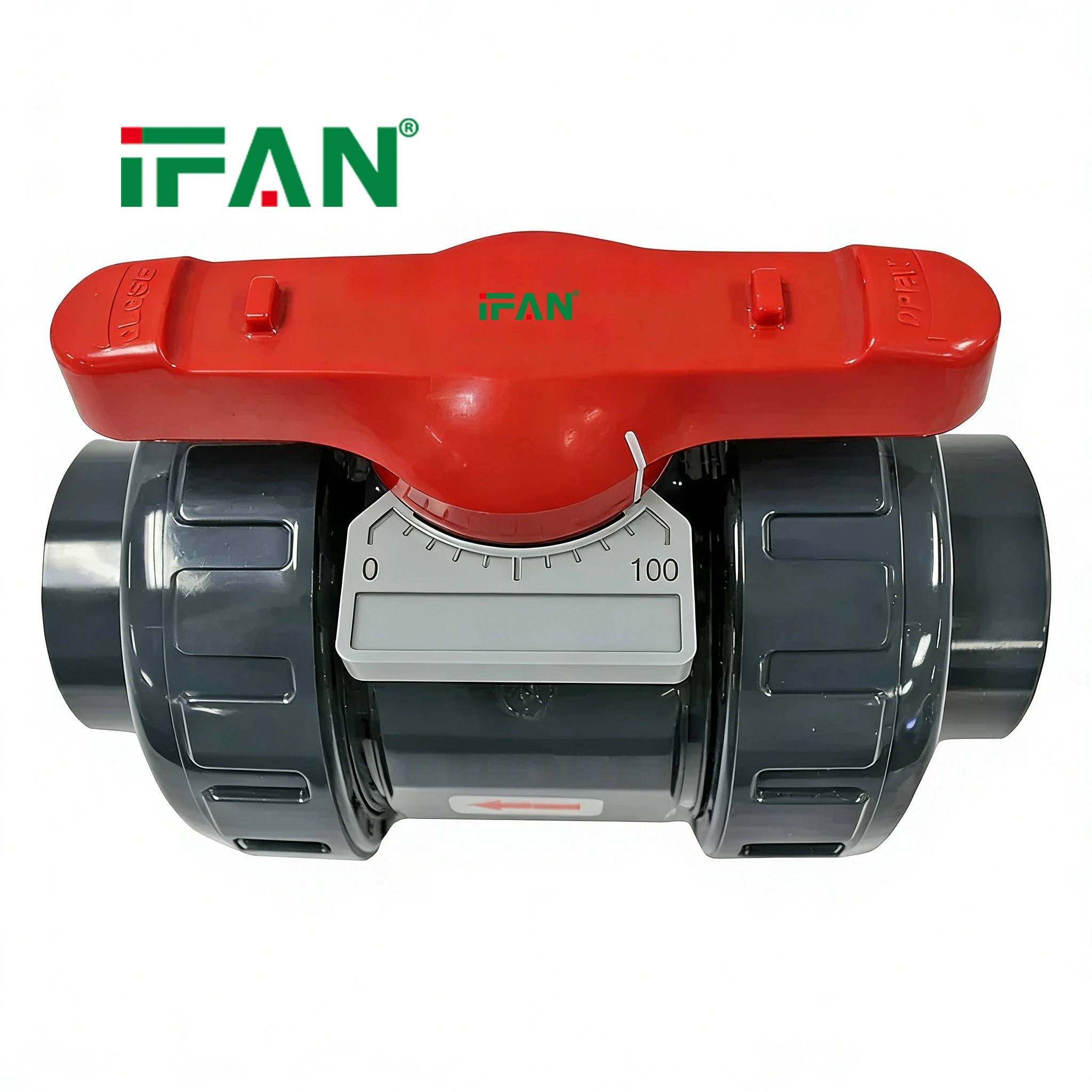
IFAN ASTM D3350 Flow Control Ball Valve
Application: Farms, lawns, gardens, agriculture, cooling systems, greenhouses, flower watering
Origin: Zhejiang, China
Brand: IFAN
Function: Water-saving irrigation system
The standards we can provide include ASTM D3035, ASTM D3350, ISO 4427 Series standards, EN 12201 Series standards, DIN 8074/8075, GB/T 13663 Series standards, AS/NZS 4130, JIS K6760, BS 6572, CSA B137.1, etc.
Introduction: A Quick Overview of Flow Control Ball Valves
A flow control ball valve is a specialized type of valve designed to regulate the flow of liquids or gases in a piping system. While traditional ball valves offer only open or closed positions, flow control ball valves allow you to adjust the flow rate precisely. As a result, they are ideal for systems requiring fine-tuned control. Throughout this guide, we will walk through how these valves function, their key features, practical applications, how to select the right valve, installation tips, and comparisons with other valve types to help you make well-informed decisions.
Frequently Asked Questions (FAQ)
1. What is the purpose of a flow control ball valve?
Its primary function is to adjust, throttle, or completely shut off fluid flow in a pipeline, offering more flexibility than standard ball valves.
2. How is it different from a regular ball valve?
Unlike regular ball valves, which operate in either fully open or closed modes, flow control ball valves offer partial positions for accurate regulation.
3. Can flow control ball valves handle high pressure?
Yes. However, it is important to check each model’s pressure rating to ensure it meets your system’s requirements.
4. Where are flow control ball valves commonly used?
They are widely used in various industries, including HVAC, water treatment, chemical processing, and manufacturing.
5. How do I know if a valve is compatible with my system?
To ensure compatibility, consider factors such as valve material, pipe connection type, flow range, and pressure and temperature ratings.
Definition and Key Features of a Flow Control Ball Valve
In simple terms, a flow control ball valve uses a pivoting ball with a hole in the center to regulate fluid movement. The valve handle controls the ball’s position, allowing users to open, close, or partially open the passage. This enables both shut-off functionality and precise flow control.
Key Features:
To better understand its advantages, let’s look at the essential features:
-
Adjustable Flow: Users can fine-tune the flow by adjusting the handle or actuator, making it suitable for dynamic systems.
-
Dual Function: It serves both as a shut-off valve and a flow control device, reducing the need for multiple valves.
-
Durability: Materials such as stainless steel, brass, or PVC ensure strength and corrosion resistance.
-
Low Maintenance: Its simple mechanism is resistant to clogging and requires minimal upkeep.
-
Space-Saving Design: Its compact body allows installation even in tight areas.
-
Easy Operation: The quarter-turn mechanism ensures fast and effortless control, whether manual or automated.
Clearly, this valve offers a flexible solution for many fluid control challenges.
Common Applications and Industries
Due to their versatility and effectiveness, flow control ball valves are used across numerous industries. Some of the most notable applications include:
-
Water Supply Systems: In both residential and commercial buildings, these valves help regulate water pressure and flow.
-
Irrigation Networks: In agricultural settings, they are ideal for controlling water distribution to various crop zones.
-
HVAC Systems: They ensure efficient temperature regulation by adjusting coolant or heating fluid flows.
-
Chemical Processing Plants: Their chemical resistance makes them suitable for transferring non-aggressive or mildly aggressive fluids.
-
Food and Beverage Production: Because of their precise control, they are used in process lines for metered ingredient delivery.
-
Pharmaceutical Manufacturing: Their cleanliness and accuracy support strict hygienic standards.
As illustrated, their application range is broad, mainly because they balance control, safety, and efficiency.
How to Choose the Right Flow Control Ball Valve
Before purchasing, it’s essential to understand what makes one valve more suitable than another. Below are the most important selection factors:
1. Material Compatibility
Start by considering the fluid type. For instance:
-
Brass works well for non-corrosive fluids like water and air.
-
Stainless steel is better for high-pressure or corrosive applications.
-
PVC/CPVC is lightweight and affordable, ideal for low-temperature systems.
Choosing the right material ensures longevity and system safety.
2. Valve Size and Flow Range
Next, match the valve’s size to your system’s flow requirements. An incorrectly sized valve may cause excessive pressure drop or inaccurate control.
3. Connection Type
Depending on your piping system, you may need:
-
Threaded valves for easy maintenance
-
Flanged connections for larger, industrial setups
-
Socket or compression fittings for plastic pipes
Choosing the right connection type makes installation smoother and leak-free.
4. Pressure and Temperature Ratings
Not all valves can withstand high pressure or heat. Always compare the valve’s rated capacity to your operating conditions.
5. Control Mechanism
Lastly, decide between manual or automated operation. If remote control or integration into a control system is required, opt for electric or pneumatic actuators.
6. Industry Certifications
Look for standards such as NSF, ISO, or CE, especially if your system involves drinking water, food, or regulated chemicals.
By evaluating these criteria, you can confidently select a valve that suits your system’s demands.
Installation Guidelines
Even the best valve can underperform if installed incorrectly. For that reason, follow these key installation practices:
-
Ensure Proper Alignment: Misaligned pipes put stress on the valve body and may cause leaks.
-
Clean Piping Thoroughly: Before installation, flush out dirt, scale, or residue that could block the valve or damage the seat.
-
Use the Right Tools: Avoid overtightening, especially with plastic valves, as it may cause cracks or deformation.
-
Follow Flow Direction: Always install according to the directional arrows marked on the valve.
-
Pressure Test After Installation: Confirm proper sealing and performance before putting the system into full operation.
-
Protect from Environmental Factors: In outdoor installations, shield valves from UV rays or freezing temperatures to prevent degradation.
With these precautions, your flow control ball valve will operate efficiently for years.
Flow Control Ball Valve vs Other Valve Types
Understanding how flow control ball valves compare with other types is helpful when deciding which is best for your system. Here’s a comparison table:
| Feature | Flow Control Ball Valve | Standard Ball Valve | Gate Valve | Globe Valve |
|---|---|---|---|---|
| Flow Regulation | Precise and adjustable | Open/close only | Limited | Highly precise |
| Shut-Off Capability | Excellent | Excellent | Good | Good |
| Ease of Operation | Easy and quick | Very easy | Slower | Moderate |
| Installation Space | Compact | Compact | Larger footprint | Compact |
| Maintenance Needs | Low | Low | Moderate | Moderate to High |
| Cost | Moderate | Low | Moderate | Higher |
As the table shows, flow control ball valves combine adjustability and shut-off ability, filling a unique niche between basic on/off valves and more complex control valves.
Conclusion: Why Choose a Flow Control Ball Valve?
To conclude, flow control ball valves offer a practical and versatile solution for managing fluid systems. Not only do they allow precise control, but they also double as effective shut-off valves. Thanks to their simple design, they are easy to install and require little maintenance. Whether you’re dealing with water, chemicals, or air, this valve type adapts well to different conditions and industries.
By understanding how they work, their benefits, and how to choose the right one, you can improve system efficiency, reduce waste, and extend equipment lifespan. If you need accuracy without complexity, a flow control ball valve is a smart and cost-effective choice.
Contact
With of experience, IFAN is a specialist manufacturer specializing in the production of high quality plastic fittings, fittings and valves. Our products cover copper valves, PPR valves and various fitting and fittingxs to meet different customer needs. No matter what your needs are for plumbing or valves, IFAN offers a wide range of cost-effective products to support your project. Below is our contact information, this is our Whatsapp: +86 19857948982, Email: [email protected]
Related products
-
 Irrigation Series
IFAN ASTM D2665 PVC Wafer Check Valve
-
 Irrigation Series
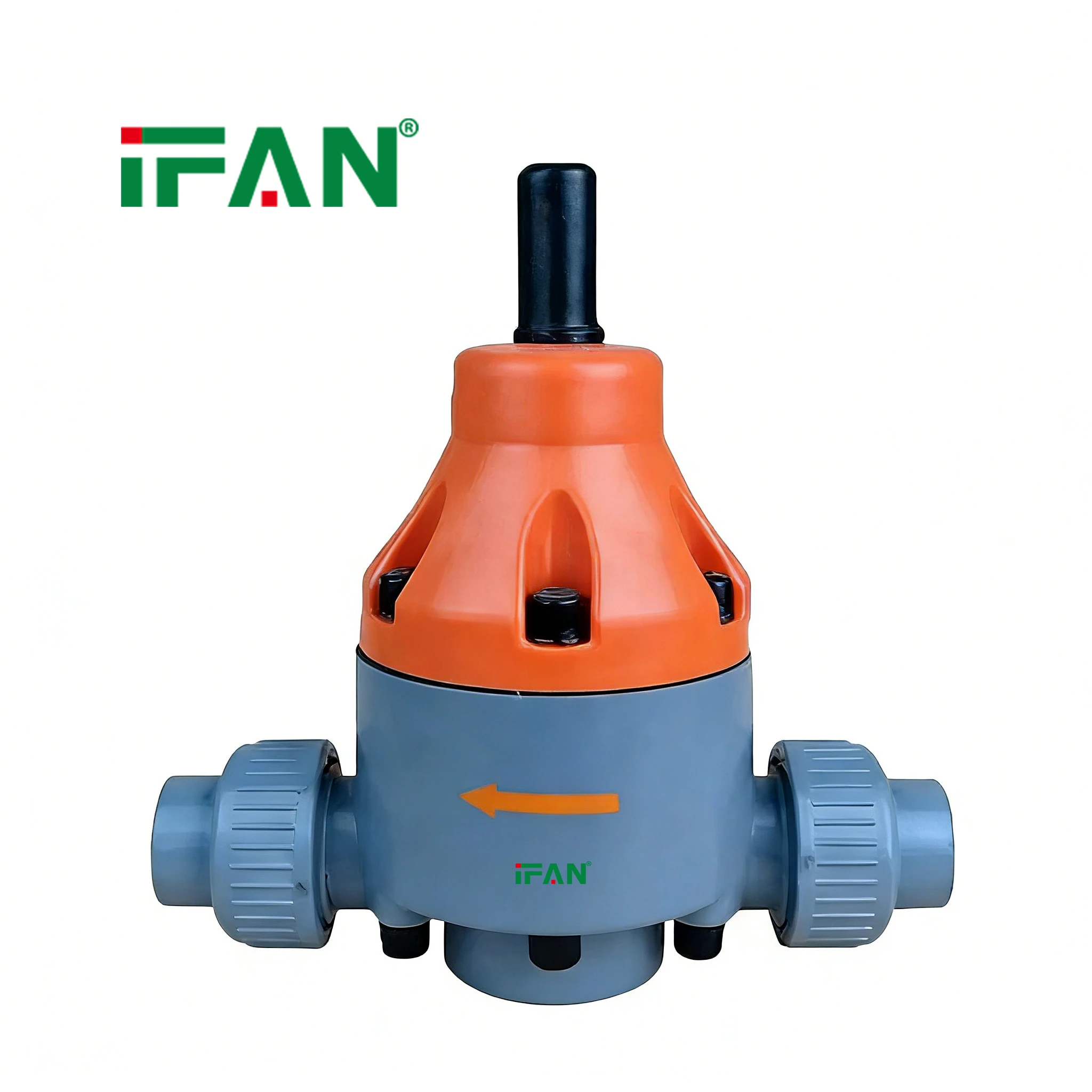
IFAN BS 3505 Back Pressure Valve
-
 Irrigation Series
IFAN ISO 4427 Plastic Foot Valve
-
-
 Irrigation Series
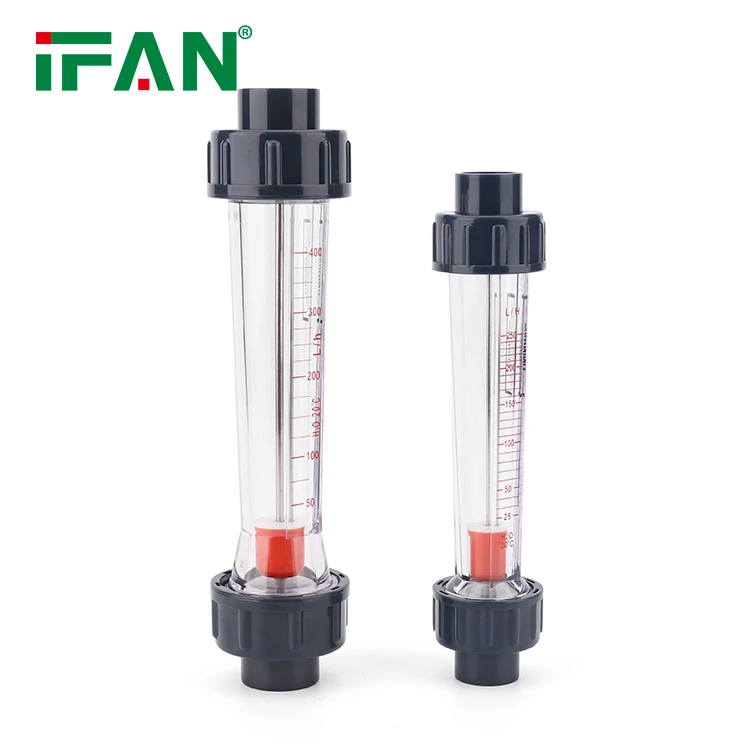
IFAN ASTM D3350 ABS Rotameter
-
 Irrigation Series
IFAN ASTM D3350 Bypass Drip Irrigation Cap
-

-
