


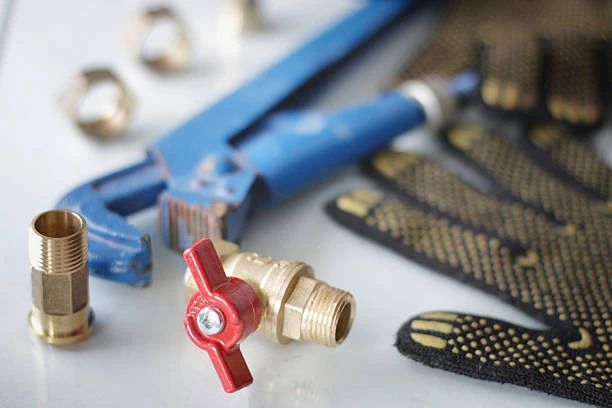
Brass water valves play a key role in maintaining clean and safe water supplies in homes, industries, and public infrastructure. These valves control water flow while ensuring hygiene, making them essential components in any water system. Brass, a material composed primarily of copper and zinc, possesses unique properties that support water safety and prevent contamination. This article explores the hygienic aspects of them, emphasizing their role in delivering clean and safe water in various applications.
Antimicrobial Properties of Brass
They protect water systems from microbial contamination due to their natural antimicrobial properties. Copper ions in brass actively disrupt bacteria, viruses, and other microorganisms, preventing their growth and spread. These ions penetrate the cell membranes of microbes, disrupting their essential functions and eliminating them effectively.
Water systems face the constant risk of microbial growth, especially in stagnant or low-flow conditions. Brass valves address this issue by reducing bacterial presence, including harmful strains such as E. coli and Legionella. This antimicrobial action ensures that water remains clean and safe throughout the system, even in challenging environments.
Corrosion Resistance Preserves Water Quality
Brass resists corrosion, which helps maintain water quality over time. Unlike materials such as iron or steel, brass does not rust or degrade when exposed to water or moisture. This property ensures that water flowing through brass valves stays free from rust particles and other contaminants that can compromise its safety.
Corroded materials often release harmful substances into the water, leading to discoloration, unpleasant tastes, or potential health risks. Brass valves avoid these problems, ensuring clean water in systems for drinking, cooking, and other critical uses.
Modern Brass Formulations Ensure Safety
Manufacturers now use lead-free or low-lead brass in water valves to meet strict health and safety regulations. These formulations eliminate the risks associated with lead contamination, ensuring that water systems meet global standards for safe drinking water.
Low-lead brass water valves comply with regulations such as the U.S. Safe Drinking Water Act and European Union standards. These valves contribute to safer water supplies in residential, commercial, and industrial systems by preventing lead leaching.
Non-Toxicity of Brass Supports Hygiene
Brass, as a material, ensures hygiene by not releasing toxic substances into the water supply. Unlike some plastics that leach harmful chemicals like bisphenol A (BPA) or phthalates, brass remains chemically stable and inert.
This non-toxicity makes them suitable for applications involving potable water. People can rely on these valves for delivering water free from chemical contamination, ensuring health and safety in daily life.
Smooth Internal Surfaces Prevent Buildup
They feature smooth internal surfaces that reduce the risk of debris accumulation and microbial growth. These surfaces prevent biofilm formation, which can harbor harmful pathogens and compromise water quality.
The smooth design of brass valves promotes efficient water flow, reducing stagnation and the conditions that encourage bacteria to thrive. Water systems benefit from this feature, as it ensures consistent cleanliness and flow throughout the network.
Durability Supports Long-Term Hygiene
They maintain hygiene over long periods due to their durability. These valves withstand mechanical stress, temperature fluctuations, and constant exposure to water without degrading. This long-lasting performance ensures that water systems remain reliable and free from contamination.
Frequent replacements or repairs can introduce contamination risks to water systems. Brass valves minimize these risks by providing long-term reliability and maintaining their hygienic properties over decades of use.
Applications of Brass Water Valves in Hygienic Systems
They enhance hygiene and safety in various water systems. Their versatility and effectiveness make them indispensable in the following applications:
- Residential Plumbing Systems
Brass water valves ensure clean water flow in kitchens, bathrooms, and outdoor faucets. These valves protect household water supplies from contamination and maintain safe drinking water quality. - Municipal Water Systems
Cities and towns rely on brass valves to deliver clean water to residents. These valves prevent microbial growth and contamination during water treatment and distribution, ensuring public health and safety. - Food and Beverage Processing
The food industry uses them to maintain hygiene in cleaning processes and production lines. These valves ensure that water remains uncontaminated when used in food preparation and sanitation. - Healthcare Facilities
Hospitals and clinics rely on them to maintain clean supplies for medical procedures, equipment sterilization, and patient care. These valves help prevent waterborne infections in critical healthcare environments. - Irrigation Systems
Farmers and gardeners use brass water valves to deliver clean water for irrigation. These valves protect crops and soil from harmful contaminants, ensuring safe agricultural practices. - Pharmaceutical Manufacturing
Pharmaceutical facilities use brass valves in water systems to meet strict hygiene standards. These valves ensure clean water for medicine production and laboratory operations.
Advantages of Brass Valves for Water Hygiene
- Maintaining Clean Water: Brass valves prevent contamination by resisting corrosion, microbial growth, and leaching of harmful substances.
- Durability: Long-lasting brass valves ensure reliable water flow without frequent replacements, reducing potential contamination risks.
- Compliance with Standards: Brass valves meet global safety standards for potable water systems, ensuring health and regulatory compliance.
- Versatility: Brass valves work effectively in residential, commercial, and industrial systems, addressing diverse hygiene needs.
Brass Valves vs. Alternative Materials
- Brass vs. Plastic: Brass outperforms plastic by resisting microbial growth and chemical leaching. Plastic valves may release harmful substances and harbor bacteria over time.
- Brass vs. Steel: Steel valves corrode more easily, compromising water quality. Brass resists corrosion and maintains hygiene in water systems.
- Brass vs. Bronze: Both brass and bronze resist corrosion and support hygiene, but brass offers better machinability and cost-effectiveness.
Brass Valves and Sustainable Hygiene
At the end of their life cycle, brass valves can undergo recycling to create new products, reducing waste and conserving resources.
This sustainability complements the hygienic properties of brass valves, making them a responsible choice for modern water systems.
Global Standards for Hygienic Brass Valves
They meet international standards that ensure their safety and suitability for hygienic applications.
- NSF/ANSI 61 certifies that brass valves remain safe for drinking water systems by preventing harmful substance leaching.
- Safe Drinking Water Act requires lead-free brass formulations to protect public health in the United States.
- WRAS Approval confirms that brass valves comply with water safety regulations in the United Kingdom.
These certifications highlight the trustworthiness of them in maintaining hygiene and water quality worldwide.
Brass Valves in the Future of Water Hygiene
As water quality concerns grow globally, they will continue supporting hygiene in critical systems. Advances in brass formulations and valve technology will enhance their effectiveness in combating contamination and ensuring clean water access.
Cities, industries, and households can rely on brass valves to protect water systems and promote health and safety for generations to come.
Conclusion
They ensure hygiene and safety in water systems through their antimicrobial properties, corrosion resistance, non-toxicity, and durability. These valves maintain clean water flow in diverse applications, from residential plumbing to industrial processes.
Their ability to meet global safety standards, combined with their long-term reliability, makes them essential for water hygiene. As the world focuses on providing clean and safe water,they offer a practical and effective solution for maintaining water quality and protecting public health.
IFAN international standard
IFAN products comply with a wide range of international standards, ensuring their quality, reliability, and suitability for various applications across the globe. These standards include ASTM D3035, ASTM D3350, ISO 4427 Series standards, EN 12201 Series standards, DIN 8074/8075, GB/T 13663 Series standards, AS/NZS 4130, JIS K6760, BS 6572, and CSA B137.1, among others. Adherence to these standards guarantees that IFAN products meet the stringent requirements for safety, performance, and durability in diverse industries and markets.
Contact
IFAN is a professional manufacturer with of experience, dedicated to producing high-quality plastic pipes, fittings, and valves. Our products include brass valves, PPR valves, as well as various pipes and fittings to meet different customer needs. Whether you need plumbing and drainage pipes or valve products, IFAN can provide a diverse range of high-quality, cost-effective products to support your projects. Below is our contact information.
We will reply your email or fax within 24 hours.
You can call us at any time if there is any question on our production.
For more information,pls visit our webside https://www.ifanplus.com/
Pls Mailto: [email protected]
Whatsapp: + 86 19857948982























