


Introdução
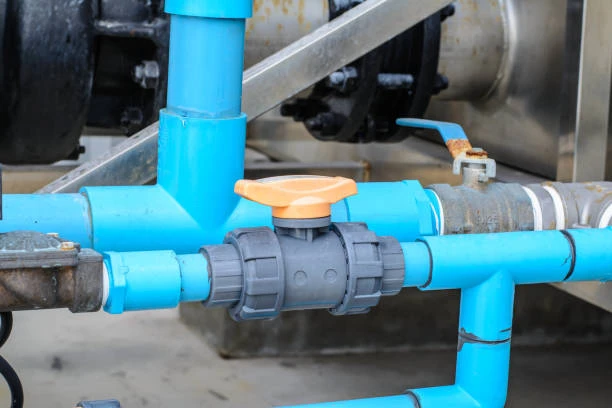
UM 2 inch PVC ball valve offers an affordable and reliable solution for fluid management in many types of piping systems. It is lightweight, durable, and resistant to corrosion, making it an ideal choice for both residential and industrial projects. Unlike metal valves that may rust or corrode, PVC ball valves provide long-lasting performance with minimal maintenance. This article explores in detail the definition, features, common applications, buying guide, installation tips, and comparisons with other materials, ensuring you gain a complete understanding of why a 2 inch PVC ball valve is an excellent investment.
Perguntas Frequentes (FAQ)
1. What is a 2 inch PVC ball valve?
A 2 inch PVC ball valve is a quarter-turn valve made from polyvinyl chloride. It is specifically designed to control the flow of liquids in pipelines with a 2-inch diameter.
2. Why are PVC ball valves preferred over metal valves?
They are lightweight, resistant to chemical corrosion, cost-effective, and easy to install. Metal valves, in contrast, are heavier, more expensive, and prone to rust in certain environments.
3. Can a 2 inch PVC ball valve handle hot water?
Yes, but only within certain temperature ranges. PVC performs well with cold and moderate temperatures, but for very hot water systems, CPVC valves may be better suited.
4. What industries use 2 inch PVC ball valves the most?
They are widely used in residential plumbing, agriculture, aquaculture, irrigation, chemical processing, and food and beverage industries.
5. How long can a PVC ball valve last?
With proper installation and correct usage, it can last over 10 to 15 years. Environmental conditions and fluid type play an important role in determining its lifespan.
Definition and Key Features of a 2 Inch PVC Ball Valve
A 2 inch PVC ball valve functions as a flow control device. It uses a hollow ball with a hole drilled through its center. When the handle rotates 90 degrees, the hole aligns with the pipe, allowing fluid to pass through. A turn in the opposite direction blocks the passage, stopping the flow instantly.
Key features include lightweight construction that simplifies handling, strong resistance to rust and scale, affordability compared to metal valves, and a smooth inner surface that prevents pressure loss. Additionally, the 2-inch size provides the perfect balance between high flow capacity and manageable installation. Many models also include ergonomic handles for easier operation, ensuring convenience for users in different industries.
Usos comuns e indústrias de aplicação
The 2 inch PVC ball valve is versatile and finds applications across numerous fields.
In residential plumbing, it is often used for water supply lines, garden irrigation systems, and swimming pool installations. Homeowners prefer it because it requires minimal maintenance and can be easily operated without special tools.
In agriculture, the valve plays a central role in irrigation systems where large volumes of water must be distributed efficiently. Farmers value its reliability, as crops depend on consistent water supply.
In aquaculture and fish farms, PVC valves help regulate water circulation, oxygenation systems, and waste management. Because PVC is safe and non-toxic, it does not harm aquatic life.
In industrial environments, these valves manage chemical flow, wastewater treatment, and cooling systems. The corrosion resistance of PVC ensures safe handling of aggressive substances that would otherwise damage metal valves.
Finally, in food and beverage production, 2 inch PVC ball valves are used for managing process water and cleaning solutions. Their hygienic properties and ease of cleaning make them suitable for sensitive applications where cleanliness is critical.
Buying Guide for a 2 Inch PVC Ball Valve
When selecting a valve, several important factors should be taken into account.
First, evaluate the material grade. Not all PVC valves are the same. High-quality PVC is more resistant to chemicals and temperature variations. Choosing valves with pressure-rated markings ensures they can handle demanding applications.
Second, consider the color. White and gray are common, but blue and other shades are also available. In many industries, specific colors help identify the type of fluid or application, making color selection more than just a visual preference.
Third, pay attention to certifications. Reputable valves carry NSF, ANSI, ISO, or equivalent certifications. These markings guarantee that the valve meets safety and performance standards, which is especially important in drinking water and food-related applications.
Fourth, understand the valve type. Full-port ball valves allow maximum fluid flow, while standard-port models have smaller openings that may slightly reduce capacity but often come at a lower cost.
Fifth, assess the handle design. Handles should provide a comfortable grip and remain easy to operate even when wet or greasy. Locking handles may be useful in industrial environments where accidental operation could cause damage.
Finally, balance price with quality. While PVC ball valves are generally affordable, extremely low-cost options might compromise durability. A slightly higher investment ensures better long-term performance.
Dicas e considerações sobre instalação
Installing a 2 inch PVC ball valve correctly is crucial for safety and efficiency.
Start by measuring accurately to confirm that the pipe size matches the valve. A mismatch can lead to leaks or structural failure.
Clean the pipe ends and valve sockets thoroughly. Dust, dirt, or grease can weaken adhesive bonding.
Apply PVC primer followed by PVC cement. The primer softens the surface, and the cement ensures a strong chemical bond. Insert the pipe quickly and hold it in place for a few seconds until it sets.
Avoid overtightening threaded connections. PVC threads can crack under excessive force, leading to costly replacements. Always use Teflon tape for threaded joints instead of over-applying torque.
Make sure the valve handle aligns properly and turns smoothly. The installation should allow enough space around the handle for easy operation.
Finally, test the valve after installation. Fill the system with water and check for leaks at low pressure first. Only after passing this test should the valve be used under full system pressure.
2 Inch PVC Ball Valve vs Other Materials
| Recurso | PVC Ball Valve (2 Inch) | Metal Ball Valve (Brass/Steel) | CPVC Ball Valve | Válvula de esfera PPR |
|---|---|---|---|---|
| Peso | Leve | Pesado | Médio | Médio |
| Resistência à corrosão | Excelente | Poor in corrosive environments | Very good | Bom |
| Custo | Baixo | Alto | Medium-high | Médio |
| Resistência química | Alto | Limitado | Muito alto | Bom |
| Facilidade de instalação | Fácil | Requires tools and sealing | Fácil | Moderado |
| Durabilidade | 10–15 anos | 15–20 years with maintenance | 15–20 anos | 10–15 anos |
This comparison highlights that PVC ball valves deliver a balance of affordability, corrosion resistance, and ease of installation. While metal valves may last longer under high temperatures, they cannot match the chemical resistance and lightweight benefits of PVC. CPVC valves handle hotter fluids but cost more. PPR valves provide decent durability but require specialized fusion welding for installation, making PVC the most user-friendly choice.
Conclusão
The 2 inch PVC ball valve stands out as an affordable, practical, and versatile component for fluid management systems. Its lightweight construction, corrosion resistance, and ease of installation make it suitable for residential, agricultural, industrial, and commercial applications. By considering material grade, certification, handle design, and correct installation techniques, users can ensure reliable performance for years.
Compared to alternatives like metal, CPVC, or PPR valves, PVC offers the best combination of cost-effectiveness and functionality. Whether you are upgrading a home plumbing system, setting up irrigation for a farm, or managing industrial fluid processes, a 2 inch PVC ball valve provides a dependable solution.
Norma internacional IFAN
Os produtos IFAN atendem a uma ampla gama de normas internacionais, garantindo segurança, confiabilidade e compatibilidade global. Entre elas, estão ASTM 2846, DIN 8079/8080, ASTM F441/F441M SCH80, diversas especificações DIN, normas da série GB/T 18993, AS/NZS 1477, CSA B137.6, NSF/ANSI 14, bem como TIS 17-2532/1131-2535. Ao atender a essas normas reconhecidas, a IFAN garante qualidade e desempenho consistentes em diferentes regiões e aplicações.
Contato
A IFAN é uma fabricante profissional com 30 anos de experiência, dedicada à produção de tubos, conexões e válvulas de plástico de alta qualidade. Nossos produtos incluem válvulas de latão, válvulas de PPR, além de diversos tubos e conexões para atender às diferentes necessidades dos clientes. Seja para tubos de encanamento e drenagem ou válvulas, a IFAN oferece uma gama diversificada de produtos de alta qualidade e custo-benefício para apoiar seus projetos. Abaixo, você encontra nossos dados de contato.
Responderemos seu e-mail ou fax em até 24 horas.
Você pode nos ligar a qualquer momento caso tenha alguma dúvida sobre nossa produção.
Para mais informações, visite nosso site https://www.ifanplus.com/
Por favor, envie um e-mail para: [email protected]
Whatsapp: + 86 19857948982























