


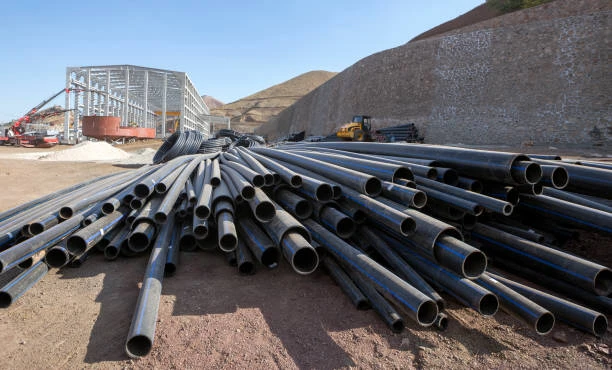
Plumbing systems form the backbone of modern infrastructure. Whether in residential buildings, commercial spaces, or municipal utilities, reliable drainage solutions are essential for sanitation, safety, and environmental protection. In recent decades, one material has consistently proven to outperform others in these systems: HDPE. The rise of drainage HDPE plumbing is no coincidence—it’s driven by the material’s unmatched strength, durability, and adaptability.
This article explores the power of HDPE in plumbing, with a special focus on drainage systems. We will examine its characteristics, advantages, applications, and long-term performance to understand why HDPE has become the preferred material for so many plumbing professionals.
O que é PEAD?
HDPE stands for high-density polyethylene. It is a thermoplastic polymer derived from petroleum and is known for its impressive strength-to-weight ratio. Originally developed in the 1950s, HDPE has since evolved into a high-performance solution for a wide range of industries, including water management, chemical transport, and waste disposal.
In the plumbing world, HDPE is increasingly being used in both supply and drainage applications. It resists impact, chemicals, and environmental stress, making it an ideal material for underground and exposed piping systems.
Why Drainage HDPE Plumbing?
While HDPE can be used for many types of plumbing, it shines especially in drainage systems. These systems are responsible for transporting stormwater, wastewater, or industrial fluids safely and efficiently. They often encounter harsh environmental conditions, chemical exposure, and physical stress. HDPE is well-suited to meet these challenges head-on.
Below, we delve into the key reasons drainage HDPE plumbing is a superior choice compared to traditional materials such as PVC, clay, concrete, or metal.
1. Unmatched Durability
HDPE is known for its long service life, often exceeding with minimal maintenance. It resists cracking, puncturing, and wear—even in abrasive conditions. For drainage systems that carry sand, grit, and suspended solids, this resistance is a major advantage.
Unlike clay or concrete pipes that may deteriorate over time, HDPE retains its structural integrity even under fluctuating loads and pressure changes. This makes it ideal for regions prone to heavy rain, freeze-thaw cycles, or shifting soil.
2. Superior Chemical Resistance
Drainage systems often deal with a wide variety of contaminants, including industrial waste, cleaning agents, oils, and acidic substances. Many traditional piping materials are vulnerable to corrosion and chemical attack over time.
HDPE, however, resists nearly all known chemicals. It does not corrode, rust, or degrade in acidic or alkaline environments. This makes drainage HDPE plumbing the ideal solution for chemical plants, factories, and areas with unpredictable wastewater composition.
3. Exceptional Flexibility
Unlike rigid materials like concrete or cast iron, HDPE offers excellent flexibility. This flexibility allows it to absorb ground movement, vibrations, and temperature fluctuations without cracking. It bends without breaking and can be installed around obstacles with minimal need for fittings.
This feature is especially useful in areas prone to earthquakes, landslides, or poor soil conditions. HDPE adapts to the environment, minimizing damage and service disruptions.
4. Leak-Proof Fusion Joints
One of the most powerful features of HDPE plumbing is its ability to form fusion-welded joints. Unlike traditional systems that rely on rubber gaskets or adhesives, HDPE joints are created using heat fusion methods such as butt fusion or electrofusion.
These joints are as strong as the pipe itself and create a monolithic, leak-free system. For drainage applications, this means better protection against water loss, contamination, and root intrusion.
5. Lightweight and Easy to Install
HDPE pipes are significantly lighter than concrete, clay, or steel alternatives. This makes transportation, handling, and installation much easier and faster. Fewer workers and less heavy equipment are needed, reducing costs and shortening project timelines.
Its flexibility also means fewer fittings and connectors are required, especially in complex layouts. All of this adds up to a more streamlined installation process and fewer chances for mechanical failure.
6. Low Maintenance and High Longevity
Once installed, drainage HDPE plumbing requires very little maintenance. Its resistance to scaling, corrosion, and blockages reduces the frequency of cleaning and repairs. Even in aggressive environments, HDPE maintains excellent performance for decades.
By reducing the need for frequent inspections and replacements, HDPE systems offer lower life-cycle costs compared to conventional alternatives.
7. Environmental Sustainability
Sustainability is a growing concern across industries, and plumbing is no exception. HDPE is a green material that supports sustainable construction in multiple ways:
- It is fully recyclable at the end of its life.
- Its long lifespan reduces the environmental cost of replacements.
- The leak-proof joints help prevent groundwater contamination.
- Lightweight pipes require less energy for transport.
Because of these qualities, many green building certifications recognize HDPE as a sustainable option.
8. High Flow Capacity
HDPE pipes have a smooth interior surface that resists buildup from debris, grease, and sediment. This low friction coefficient allows for faster flow and better hydraulic efficiency than pipes made of concrete or clay.
In drainage systems, where high flow capacity is essential during storms or peak loads, HDPE performs exceptionally well. Even after years of use, its smooth interior remains largely unaffected by wear.
Applications of Drainage HDPE Plumbing
Drainage HDPE plumbing is suitable for a wide range of uses, from small residential systems to large-scale infrastructure. Common applications include:
Gestão de águas pluviais
Municipalities rely on HDPE pipes to handle large volumes of rainwater. Their flexibility and resistance to corrosion make them perfect for storm drains, culverts, and retention systems.
Sanitary Sewer Systems
In both gravity and pressurized sewer systems, HDPE provides a leak-free solution. It helps prevent sewage leaks and groundwater infiltration, improving system efficiency and environmental compliance.
Agricultural Drainage
Farmers use HDPE systems to manage irrigation, remove excess water, and improve soil quality. These systems operate underground and must remain effective despite soil shifts and mechanical impacts.
Instalações Industriais
Factories and processing plants often use drainage HDPE plumbing to transport chemicals, oils, and wastewater. HDPE’s chemical resistance ensures system stability over time.
Mineração e Construção
Mining operations and construction sites generate wastewater and runoff that must be safely directed away. HDPE pipes handle large volumes and rough materials without breaking down.
Advanced Installation Techniques
HDPE supports modern, trenchless installation techniques such as horizontal directional drilling, slip lining, and pipe bursting. These methods reduce surface disruption and are ideal for projects in urban areas, under roads, or around sensitive ecosystems.
Trenchless installation minimizes excavation, noise, and environmental impact, while also allowing rapid deployment of new drainage systems with minimal downtime.
Cost Analysis: Initial Investment vs. Life-Cycle Cost
At first glance, HDPE may appear more expensive than materials like PVC. However, when looking at the total cost of ownership, drainage HDPE plumbing often proves to be more economical.
- Installation costs are reduced due to lightweight handling and faster assembly.
- Maintenance costs are lower thanks to its durability and resistance to corrosion or clogging.
- Repair costs are minimized because of the monolithic joint system and structural strength.
- Service life can exceed , eliminating the need for frequent replacements.
By balancing upfront investment with long-term performance, HDPE offers outstanding value over time.
Conformidade com os padrões da indústria
HDPE drainage systems are designed to meet or exceed global standards for safety and performance. Common certifications include ASTM, ISO, and EN specifications, depending on the region.
These standards cover strength, flexibility, chemical resistance, pressure ratings, and environmental safety. Compliance ensures that drainage HDPE plumbing systems deliver consistent, reliable results across various applications.
Innovations in HDPE Technology
The plumbing industry continues to innovate, and HDPE is evolving along with it. Modern manufacturing techniques produce HDPE pipes with enhanced wall structures, multilayer coatings, and smart monitoring capabilities.
Some HDPE systems now integrate sensors to track flow rates, detect blockages, or monitor pipe integrity. These intelligent systems help utilities maintain performance and address issues proactively.
Additionally, advancements in recycling and material formulation have led to even more sustainable HDPE products with improved mechanical properties.
Desafios e Considerações
While HDPE offers many advantages, there are a few considerations to keep in mind:
- Heat fusion joining requires trained technicians and specialized equipment.
- HDPE may expand or contract slightly with temperature changes, so design allowances are necessary.
- It must be protected from prolonged UV exposure unless treated with a protective coating.
Proper planning, design, and installation practices are essential to maximize the benefits of drainage HDPE plumbing.
Conclusão
The power of HDPE in plumbing is evident across every phase of a drainage system’s lifecycle. From easy installation and high chemical resistance to outstanding durability and environmental performance, HDPE delivers benefits that few materials can match.
Drainage HDPE plumbing is the modern answer to the complex demands of today’s infrastructure. It provides a future-proof solution that meets technical requirements, reduces operational risks, and supports sustainability goals.
For engineers, contractors, and property owners looking for a reliable, long-lasting drainage system, HDPE remains the clear choice. With its proven performance and growing adoption worldwide, HDPE is not just a powerful option—it’s the new standard in plumbing excellence.
Norma internacional IFAN
Os produtos de tubos de polietileno da IFAN atendem a uma ampla gama de normas internacionais para garantir qualidade, segurança e compatibilidade em mercados globais. Entre elas, estão ASTM D3035, ASTM D3350, série ISO 4427, série EN 12201, DIN 8074/8075, série GB/T 13663, AS/NZS 4130, JIS K6760, BS 6572 e CSA B137.1, entre outras. Essa conformidade abrangente reflete o compromisso da IFAN em fornecer soluções de tubulação confiáveis que atendam aos diversos requisitos técnicos de abastecimento de água, distribuição de gás e aplicações industriais em todo o mundo.
Contato
A IFAN é uma fabricante profissional com 30 anos de experiência, dedicada à produção de tubos, conexões e válvulas de plástico de alta qualidade. Nossos produtos incluem válvulas de latão, válvulas de PPR, além de diversos tubos e conexões para atender às diferentes necessidades dos clientes. Seja para tubos de encanamento e drenagem ou válvulas, a IFAN oferece uma gama diversificada de produtos de alta qualidade e custo-benefício para apoiar seus projetos. Abaixo, você encontra nossos dados de contato.
Responderemos seu e-mail ou fax em até 24 horas.
Você pode nos ligar a qualquer momento caso tenha alguma dúvida sobre nossa produção.
Para mais informações, visite nosso site https://www.ifanplus.com/
Por favor, envie um e-mail para: [email protected]
Whatsapp: + 86 19857948982























