


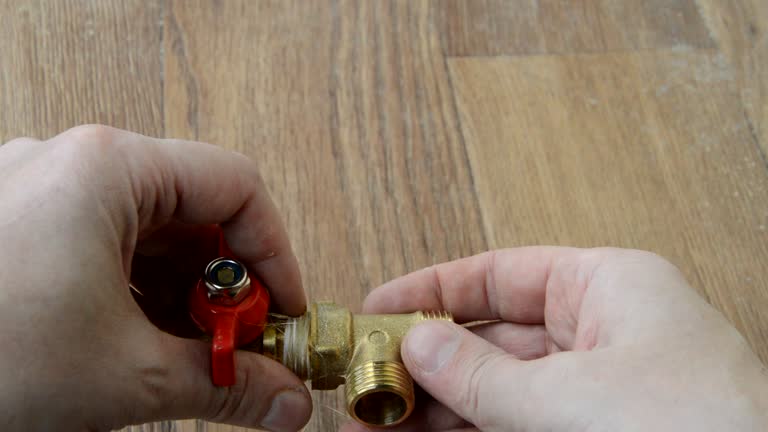
Introdução
Válvulas de latão duráveis play a critical role in modern plumbing, industrial systems, and fluid control applications. Among their many qualities, mechanical strength stands out as a defining characteristic. Mechanical strength ensures reliability, reduces failure risks, and supports long-term usage in demanding environments.
This article explores how mechanical strength contributes to the durability of brass valves, the factors that enhance it, and why industries continue to rely on brass valves for critical fluid control tasks.
What Is Mechanical Strength in Brass Valves
Definition of Mechanical Strength
Mechanical strength refers to a material’s ability to resist deformation, cracking, or failure under stress. For brass valves, this means withstanding pressure, tension, impact, vibration, and thermal expansion without compromising functionality.
Importance in Fluid Control Systems
Valves often operate under continuous flow, fluctuating pressure, and varying temperatures. A valve with high mechanical strength maintains its shape, sealing ability, and internal alignment under these conditions. This reliability ensures uninterrupted flow control and system safety.
Why Brass Is an Ideal Material
Composição da liga
Brass is primarily made of copper and zinc. Copper provides corrosion resistance, while zinc increases hardness and tensile strength. This combination results in a metal that performs well under pressure and mechanical stress.
Ductility and Toughness
Brass is not only strong but also ductile. This means it can deform slightly under stress without breaking. Toughness prevents brittle failures, especially in environments with shock loads or rapid pressure changes.
Resistance to Wear and Fatigue
Durable brass valves resist wear on moving parts and fatigue caused by repeated use. The metal’s grain structure distributes stress evenly, helping the valve maintain structural integrity over many cycles.
Factors That Contribute to Mechanical Strength
Wall Thickness and Geometry
The body design of a brass valve affects its strength. Thicker walls and reinforced structures handle higher internal pressures. The geometric layout of flow channels, seats, and stems also contributes to load distribution.
Threaded or Forged Construction
Valves produced using forging processes possess higher density and fewer internal flaws than cast or machined alternatives. Forging aligns the metal grains, increasing strength. Threaded connections also contribute to pressure handling when designed with precision.
Seal and Seat Design
Seals and seats must maintain contact under pressure. Durable brass valves use engineered seat geometries and resilient sealing materials. These parts stay aligned and leak-proof, even when mechanical loads increase.
Tolerância à temperatura
Brass handles wide temperature ranges without significant expansion or contraction. This dimensional stability ensures the valve maintains its shape and strength under both hot and cold conditions.
Mechanical Strength Testing in Brass Valves
Teste de pressão
Manufacturers often subject brass valves to hydrostatic pressure tests. These confirm the valve can withstand specified maximum working pressures without leaking or deforming. High-pressure ratings prove the mechanical reliability of the valve body and seals.
Tensile and Yield Strength Tests
Tensile tests measure how much force the valve material can take before stretching or breaking. Durable brass alloys commonly exhibit tensile strengths between 300–600 MPa, depending on composition and treatment. Yield strength ensures the valve returns to its original shape after stress.
Impact and Vibration Resistance
Durable brass valves are also tested for impact resistance. Sudden mechanical shocks, such as water hammer or external contact, can compromise weak valves. Brass valves absorb and dissipate this energy better than many plastics or lower-quality metals.
Mechanical Performance Across Valve Types
Válvulas de esfera
Ball valves require strong internal support to hold the ball mechanism in place. The valve body must endure direct line pressure. Durable brass construction supports the rotary motion of the ball while resisting deformation and leakage.
Válvulas de gaveta
Gate valves rely on a rising or sliding gate to open and close. Brass offers the rigidity needed to keep the gate aligned, while the valve body handles axial loads without warping.
Válvulas Globo
Globe valves provide precise control, often in high-pressure systems. The disc, seat, and stem all experience mechanical stress. Brass ensures consistent alignment and resistance to long-term wear, especially at pressure-regulating points.
Válvulas de retenção
Check valves deal with reverse pressure and flow surges. Mechanical strength prevents valve failure during sudden changes in direction or water hammer effects. Durable brass supports the flapper or piston without cracking or dislodging.
Angle Valves
Angle valves must endure twisting forces from users and flow pressure. Their compact brass bodies deliver enough strength to function repeatedly in household and commercial plumbing systems.
Benefits of Strong Mechanical Performance
Longevity in Harsh Environments
Environments with high pressure, vibration, or thermal variation can damage weaker materials. Durable brass valves last longer under these stresses. Their strength ensures internal parts remain aligned and sealed, extending overall service life.
Reduced Failure Risk
System failure due to valve breakage can result in water damage, fluid loss, or equipment failure. Strong brass valves lower the risk of breakage by maintaining shape and integrity under strain.
Safe Operation
Valves control flow and pressure. If they fail, safety is compromised. Brass valves retain strength over time, ensuring dependable control in high-demand or safety-critical systems.
Versatilidade em todas as aplicações
Brass valves serve residential, commercial, and industrial needs. Their mechanical strength allows them to be used in heating, cooling, gas, and chemical systems with confidence.
Common Applications That Require Strong Valves
Sistemas de Aquecimento
Hot water systems exert pressure and temperature stress on valves. Durable brass valves handle these loads while ensuring leak-proof connections and safe operation.
Processamento Químico
Valves in chemical lines must resist not just corrosion but mechanical stress caused by flow velocity and pulsation. Brass handles both challenges well when properly selected.
Distribuição de Gás
Pressurized gas systems require valves that won’t crack or deform under sudden flow demands. Brass’s strength and low permeability make it ideal for gas control.
Aplicações Marítimas
Saltwater, vibration, and temperature shifts challenge valve materials. Brass valves with strong mechanical properties endure these factors and remain functional longer.
Sistemas de proteção contra incêndio
Valves used in fire suppression must remain functional even after long idle periods. Mechanical strength ensures the valve opens and closes reliably when activated under pressure.
Enhancing Mechanical Strength During Manufacturing
Forging Techniques
Forged brass valves are preferred for high-strength applications. Forging compresses the metal into dense, uniform shapes, eliminating porosity and internal weaknesses.
Tratamento térmico
Controlled heating and cooling of brass improve grain structure and stress resistance. Manufacturers often apply specific treatments to boost mechanical performance.
Machining Precision
Precision machining ensures that moving parts align properly and fit together tightly. Proper tolerances prevent leaks and reduce wear.
Quality Control Standards
Reputable manufacturers use ISO and other international standards to ensure consistent mechanical strength in each valve batch. This includes testing materials, tolerances, and performance.
How to Evaluate Mechanical Strength in Brass Valves
Pressure Rating Markings
Most brass valves display their pressure rating on the body. Choose valves rated for your system’s maximum operating pressure, with a safety margin.
Material Certification
Manufacturers often provide certificates indicating material composition and mechanical testing results. This helps ensure strength and reliability.
Design and Shape
Reinforced bodies, thick walls, and streamlined interiors often indicate better mechanical strength. Avoid valves with thin or overly complex parts that may weaken under stress.
Proper Use and Maintenance
Correct Installation
Installing brass valves with the correct tools, sealants, and torque prevents damage. Misaligned or overtightened valves may lose strength or leak over time.
Avoid Over-Pressurizing
Brass valves handle high pressure, but exceeding their rated limit can weaken them. Always match system pressure with the valve’s specifications.
Inspeção regular
Though brass is durable, routine checks can identify early signs of stress or wear. This helps ensure mechanical strength remains uncompromised throughout the valve’s service life.
Impacto Ambiental e Econômico
Less Frequent Replacement
Stronger valves last longer, reducing the need for frequent replacements. This saves costs on parts and labor and reduces material waste.
Eficiência Energética
Valves with strong seals and alignment prevent leaks and pressure losses. This improves overall system efficiency and lowers operational costs.
Reciclabilidade
Brass is fully recyclable. At the end of a valve’s life, it can be reclaimed and reused without loss of mechanical integrity, supporting sustainability goals.
Conclusão
Mechanical strength remains a critical attribute of any durable brass valve. It ensures resistance to pressure, vibration, and temperature extremes. This strength directly supports long-term use, consistent performance, and safety across a wide range of industries.
Choosing brass valves with proven mechanical strength helps reduce maintenance, avoid system failures, and deliver dependable operation over time. Whether in household plumbing, industrial machinery, or marine systems, durable brass valves continue to set the standard for strength, reliability, and performance.
Norma internacional IFAN
Os tubos e conexões de compressão de PEAD da IFAN atendem a uma ampla gama de normas internacionais, garantindo alto desempenho e compatibilidade global. Entre elas, estão ASTM D3035 e ASTM D3350 dos Estados Unidos, séries ISO 4427 e EN 12201 da Europa, DIN 8074/8075 da Alemanha, série GB/T 13663 da China, AS/NZS 4130 da Austrália e Nova Zelândia, JIS K6760 do Japão, BS 6572 do Reino Unido e CSA B137.1 do Canadá. A conformidade com essas normas garante excelentes propriedades mecânicas, resistência química e durabilidade a longo prazo em diversas aplicações industriais e de abastecimento de água.
Contato
A IFAN é uma fabricante profissional com 30 anos de experiência, dedicada à produção de tubos, conexões e válvulas de plástico de alta qualidade. Nossos produtos incluem válvulas de latão, válvulas de PPR, além de diversos tubos e conexões para atender às diferentes necessidades dos clientes. Seja para tubos de encanamento e drenagem ou válvulas, a IFAN oferece uma gama diversificada de produtos de alta qualidade e custo-benefício para apoiar seus projetos. Abaixo, você encontra nossos dados de contato.
Responderemos seu e-mail ou fax em até 24 horas.
Você pode nos ligar a qualquer momento caso tenha alguma dúvida sobre nossa produção.
Para mais informações, visite nosso site https://www.ifanplus.com/
Por favor, envie um e-mail para: [email protected]
Whatsapp: + 86 19857948982























