


Introduction to PVC Adhesive
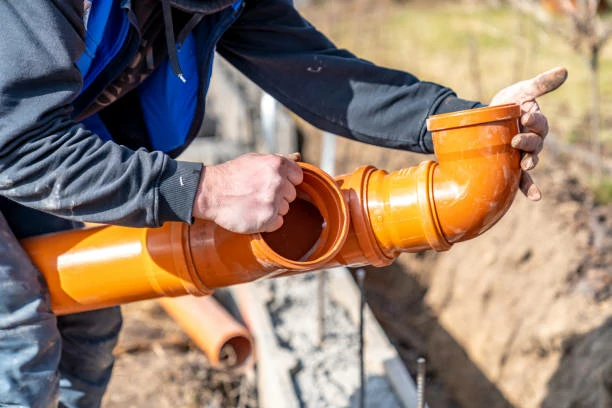
PVC adhesive is a crucial component in plumbing and construction projects. It creates strong, leak-proof bonds between PVC pipes and fittings. This adhesive is specially formulated to work with polyvinyl chloride materials. For example, it is widely used in residential plumbing systems. Proper application ensures durable connections that withstand pressure and temperature changes. PVC adhesive is easy to use and dries quickly, making it a favorite among professionals and DIY enthusiasts.
Types of PVC Adhesive
PVC adhesive comes in various types, each suited for specific applications. Standard PVC cement is ideal for general-purpose bonding. Heavy-duty PVC cement provides extra strength for high-pressure systems. Rain-R-Shine cement works in wet or humid conditions. For example, it is perfect for outdoor plumbing projects. Clear PVC cement is used when aesthetics matter, as it dries transparent. Choosing the right type ensures optimal performance and longevity.
Key Features of High-Quality PVC Adhesive
High-quality PVC adhesive offers several essential features. It provides fast-setting times, often within minutes. The adhesive forms a strong, permanent bond that resists leaks. For example, it can withstand pressures up to 200 psi in water systems. It is resistant to chemicals, ensuring durability in harsh environments. Good PVC adhesive also has a smooth consistency for easy application. These features make it reliable for both small repairs and large installations.
Application Tips for PVC Adhesive
Proper application is key to achieving strong bonds with PVC adhesive. First, clean the pipe and fitting surfaces thoroughly. Apply primer to soften the PVC and improve adhesion. Use a brush to apply the adhesive evenly on both surfaces. Quickly join the pieces and hold them firmly for a few seconds. For example, a 30-second hold ensures a secure bond. Avoid over-applying the adhesive, as excess can weaken the joint. Follow manufacturer instructions for best results.
Safety Considerations When Using PVC Adhesive
Safety is paramount when working with PVC adhesive. Always work in a well-ventilated area to avoid inhaling fumes. Wear gloves and safety goggles to protect your skin and eyes. For example, adhesive contact with skin can cause irritation. Keep the adhesive away from open flames, as it is highly flammable. Store the adhesive in a cool, dry place, away from children. Proper handling ensures a safe and effective bonding process.
Environmental Impact and Alternatives
PVC adhesive is effective but has environmental drawbacks. It contains volatile organic compounds (VOCs) that can harm the environment. For example, VOCs contribute to air pollution and health issues. Eco-friendly alternatives, such as low-VOC adhesives, are gaining popularity. These options reduce environmental impact without compromising performance. Proper disposal of adhesive containers also minimizes harm. Choosing sustainable products supports greener construction practices.
Conclusão
PVC adhesive is essential for creating strong, durable bonds in plumbing and construction. Understanding its types, features, and proper application ensures successful projects. Safety precautions protect users and the environment. Eco-friendly alternatives offer sustainable solutions without sacrificing quality. Whether for small repairs or large installations, PVC adhesive remains a reliable choice. By following best practices, you can achieve long-lasting and efficient results in your projects. Investing in high-quality PVC adhesive and adopting sustainable practices not only enhances project outcomes but also supports environmental responsibility. With the right knowledge and tools, PVC adhesive becomes an indispensable asset for achieving professional-grade results in any plumbing or construction task.
Norma internacional IFAN
A IFAN adere a uma ampla gama de padrões internacionais para garantir a mais alta qualidade e confiabilidade de seus produtos. Esses padrões incluem ASTM 2846, DIN 8079/8080, e ASTM F441/F441M SCH80, que garantem a durabilidade e o desempenho de tubos e conexões. Por exemplo, GB/T 18993 e AS/NZS 1477 garantir a conformidade com os requisitos regionais na China e na Austrália/Nova Zelândia. Além disso, CSA B137.6 e NSF/ANSI 14 certificam que os produtos são seguros para aplicações em água potável. Normas como TIS 17-2532/1131-2535 e BS 3505 validar ainda mais a qualidade do produto na Tailândia e no Reino Unido.
O IFAN também está em conformidade com ASTM D1785 SCH40/SCH80, DIN 8061/8062, e GB/T 10002, que abrangem uma variedade de aplicações de pressão e sem pressão. Para sistemas de drenagem, ASTM D2665 e ASTM D2729 garantir um desempenho ideal. O ISO 1452 e EN ISO 1452 Os padrões destacam o compromisso da IFAN com os padrões globais de qualidade. Além disso, JIS K6741 e CSA B137.3 Atender às necessidades específicas do mercado no Japão e no Canadá. Ao atender a esses diversos padrões, a IFAN garante que seus produtos sejam versáteis, confiáveis e adequados para uso global.
Contato
A IFAN é um fabricante profissional com 30 anos de experiência, dedicado à produção tubos de plástico de alta qualidade, conexões, e válvulasNossos produtos incluem válvulas de latão, válvulas PPR, além de diversos tubos e conexões para atender às diferentes necessidades dos clientes. Seja para tubos de encanamento e drenagem ou válvulas, a IFAN oferece uma gama diversificada de produtos de alta qualidade e custo-benefício para apoiar seus projetos. Abaixo, você encontra nossos dados de contato.
Responderemos seu e-mail ou fax em até 24 horas.
Você pode nos ligar a qualquer momento caso tenha alguma dúvida sobre nossa produção.
Para mais informações, visite nosso site https://www.ifanplus.com/
Por favor, envie um e-mail para: [email protected]
Whatsapp: + 86 19857948982























