


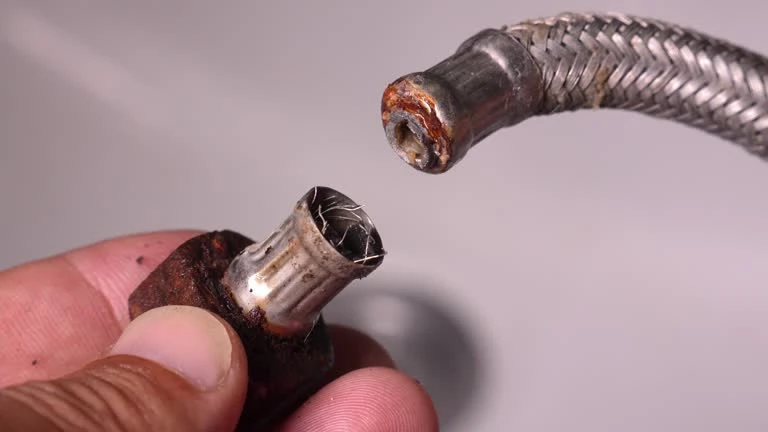
Flexible water pipes play a crucial role in plumbing, irrigation, and industrial applications. Their ability to transport water efficiently depends on several factors, including internal diameter, material composition, pipe length, and pressure conditions. Understanding these factors helps users select the right flexible pipe for their needs while ensuring optimal water flow.
Internal Diameter and Its Influence on Flow Rate
The internal diameter of a pipe directly affects the amount of water it can carry. Larger diameters allow more water to pass through, while smaller ones restrict flow. Engineers calculate the flow rate using the pipe’s cross-sectional area and the velocity of water movement.
Wider Pipes for Higher Flow
A larger internal diameter reduces friction and increases the overall water-carrying capacity. Flexible pipes designed for high-demand applications, such as irrigation or firefighting, often feature wider diameters to accommodate large volumes of water.
Narrower Pipes for Controlled Flow
Smaller-diameter pipes provide controlled flow, making them ideal for household plumbing, cooling systems, and precision irrigation. These pipes prevent excessive water usage and ensure steady pressure throughout the system.
Material Composition and Its Effect on Flow Efficiency
The materials used in flexible water pipes determine how smoothly water moves through them. Different materials impact friction, flexibility, and durability, all of which affect flow capacity.
PEX Pipes for Smooth Flow
Cross-linked polyethylene (PEX) pipes feature smooth inner surfaces that reduce resistance to water movement. Their flexibility allows easy installation without compromising flow rate. These pipes work well in both hot and cold water applications.
PVC Pipes for Low-Friction Flow
Polyvinyl chloride (PVC) pipes provide excellent flow characteristics due to their smooth interior walls. Water moves easily through them, making them a preferred choice for drainage, irrigation, and underground water supply systems.
Rubber Pipes for Flexible Flow Control
Rubber hoses and pipes handle high-pressure water delivery while maintaining flexibility. Their elastic nature allows expansion and contraction, accommodating fluctuations in flow demand.
Stainless Steel-Braided Pipes for Strength and Stability
Pipes with stainless steel braiding ensure stable flow by preventing expansion under high pressure. These pipes often serve in industrial and high-temperature water transport applications.
Pipe Length and Its Impact on Flow Rate
Longer pipes create more resistance, reducing flow efficiency. Every additional meter of piping increases friction, which slows down water movement.
Shorter Pipes for Maximum Flow
Shorter flexible pipes maintain higher flow rates by reducing friction losses. Systems that require fast water delivery, such as emergency water supply lines, benefit from shorter piping.
Longer Pipes and Pressure Compensation
Extensive piping systems require higher pressure to compensate for friction loss. Engineers calculate pressure requirements based on pipe length to ensure consistent water delivery.
Water Pressure and Its Role in Flow Capacity
Water pressure drives flow through flexible pipes. Different systems operate under varying pressure levels, influencing the speed and volume of water movement.
High-Pressure Systems for Increased Flow
Pipes in high-pressure systems deliver water quickly and efficiently. Firefighting hoses, industrial cooling pipes, and commercial irrigation systems rely on strong water pressure to maintain adequate flow.
Low-Pressure Systems for Gentle Flow
Certain applications require low-pressure water movement, such as drip irrigation and household plumbing. Flexible pipes designed for these purposes control flow without excessive pressure buildup.
Pipe Bends and Their Effect on Flow Efficiency
Every bend or curve in a flexible pipe alters water movement. Sharp bends create turbulence, reducing flow efficiency and increasing energy loss.
Gentle Curves for Smooth Flow
Gradual curves minimize water resistance and maintain steady flow. Flexible pipes that follow natural pathways without abrupt bends ensure better efficiency.
Sharp Bends and Flow Restrictions
Tightly curved sections create pressure drops and turbulence. Engineers recommend avoiding sharp angles in flexible piping systems to preserve flow capacity.
Connection Points and Their Role in Flow Rate
Joints, fittings, and connectors influence how water moves through flexible pipes. Poorly designed connections lead to pressure drops, leaks, and reduced efficiency.
Secure Connections for Uninterrupted Flow
High-quality fittings ensure seamless water movement. Leak-proof connections prevent pressure loss and maintain consistent flow rates.
Restrictive Fittings and Flow Reduction
Narrow or improperly installed fittings reduce internal diameter at connection points. These restrictions lower overall flow capacity, affecting system performance.
Temperature Effects on Flow Capacity
Temperature changes impact water movement in flexible pipes. Different materials react uniquely to temperature fluctuations, influencing their flow characteristics.
Hot Water Expansion and Its Impact
Certain flexible pipes expand when exposed to hot water, slightly increasing internal diameter and allowing faster flow. PEX pipes exhibit this characteristic, improving performance in heating applications.
Cold Water Contraction and Flow Restriction
Cold temperatures cause some materials to contract, reducing flow capacity. Insulation and proper material selection help maintain efficiency in low-temperature conditions.
Applications That Depend on High Flow Capacity
Various industries and systems require flexible pipes with strong flow capabilities. Selecting the right pipe ensures efficiency and reliability.
Plumbing Systems for Household and Commercial Use
Water supply lines in homes and buildings rely on flexible pipes to maintain steady flow. Choosing the correct diameter and material prevents disruptions in daily use.
Irrigation Systems for Agriculture and Landscaping
Efficient irrigation systems require pipes that deliver water evenly across large areas. Flexible pipes help maintain consistent moisture levels for crops and gardens.
Firefighting Systems for Emergency Response
Fire hoses and emergency water supply lines need rapid, high-volume flow. Flexible pipes used in firefighting applications must handle extreme pressure while delivering large amounts of water.
Industrial Cooling and Processing Systems
Factories and manufacturing plants use flexible pipes for transporting cooling water and processing fluids. Flow efficiency directly impacts production performance.
Conclusão
The flow capacity of flexible water pipes depends on multiple factors, including internal diameter, material composition, length, pressure, and temperature. Choosing the right pipe for a specific application ensures efficient water delivery and system reliability. Engineers and users must consider these elements to optimize performance and prevent unnecessary flow restrictions.
Norma internacional IFAN
A IFAN (International Fluid and Application Network) adere a diversas normas internacionais reconhecidas para garantir a qualidade e a confiabilidade de seus produtos. Entre elas, está, por exemplo, a ASTM A312, que especifica os requisitos para tubos de aço inoxidável austenítico recozidos, sem costura, soldados e trabalhados a frio. Além disso, a empresa segue a GB/T 12777-2019, uma norma nacional chinesa que abrange as especificações para tubos de aço inoxidável. Além disso, a IFAN está em conformidade com a ISO 10380-2012, que define os requisitos para conexões de tubos de aço inoxidável. Ao se alinhar a essas normas estabelecidas, a IFAN não apenas garante a excelência técnica de seus produtos, mas também que eles atendam às demandas globais da indústria por desempenho, durabilidade e segurança em diversos sistemas de fluidos e aplicações.
Contato
A IFAN é uma fabricante profissional com 30 anos de experiência, dedicada à produção de tubos, conexões e válvulas de plástico de alta qualidade. Nossos produtos incluem válvulas de latão, válvulas de PPR, além de diversos tubos e conexões para atender às diferentes necessidades dos clientes. Seja para tubos de encanamento e drenagem ou válvulas, a IFAN oferece uma gama diversificada de produtos de alta qualidade e custo-benefício para apoiar seus projetos. Abaixo, você encontra nossos dados de contato.
Responderemos seu e-mail ou fax em até 24 horas.
Você pode nos ligar a qualquer momento caso tenha alguma dúvida sobre nossa produção.
Para mais informações, visite nosso site https://www.ifanplus.com/
Por favor, envie um e-mail para: [email protected]
Whatsapp: + 86 19857948982























