


Introdução
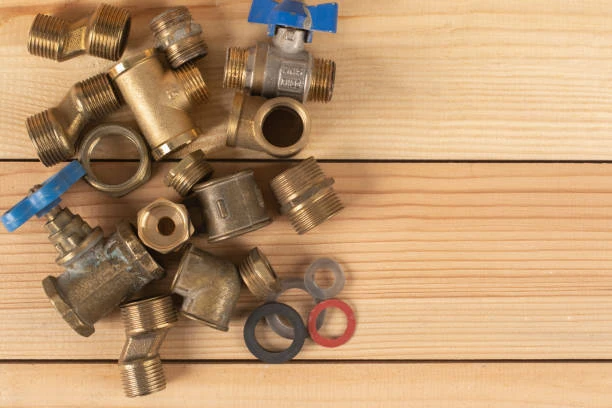
Conexões de tubulação de latão have long been recognized for their exceptional durability and performance in various applications. Their ability to withstand wear and tear over time makes them a reliable choice for both residential and industrial systems. This article delves into the durability of brass piping fittings, emphasizing their composition, resistance to environmental factors, and the key features that contribute to their longevity.
1. Understanding Durability in Brass Fittings
Durability refers to a material’s ability to maintain functionality and structural integrity over an extended period. Brass, an alloy of copper and zinc, exhibits excellent durability due to its unique combination of properties. The alloy’s composition plays a crucial role in ensuring resilience against mechanical, thermal, and chemical stresses.
1.1 Importance of Alloy Composition
The copper content in brass provides strength and resistance to wear, while zinc enhances toughness. Manufacturers carefully balance these elements to create fittings that meet specific performance standards. Additives such as tin or aluminum may further improve durability, enhancing the alloy’s resistance to corrosion and wear.
1.2 Longevity in Various Environments
Brass fittings excel in diverse environments, from domestic plumbing to harsh industrial conditions. Their durability ensures consistent performance and reduces the need for frequent replacements, offering significant cost savings over time.
2. Key Features Contributing to Durability
2.1 Resistência à corrosão
Brass exhibits natural resistance to corrosion, making it ideal for systems exposed to water, air, or chemicals. This resistance minimizes surface degradation, maintaining structural integrity and functionality.
2.2 Mechanical Strength
Brass fittings withstand high pressures and mechanical stresses without deformation. Their robust construction ensures reliable performance even under challenging conditions, such as high-temperature or high-pressure environments.
2.3 Resistance to Wear and Tear
Frequent use or mechanical motion can cause wear in piping systems. Brass fittings resist abrasion and maintain their surface quality, ensuring a longer operational life.
2.4 Thermal Stability
Exposure to varying temperatures often causes materials to expand or contract. Brass fittings maintain stability under thermal stress, ensuring reliable performance in both heating and cooling systems.
3. Advantages of Brass Fittings’ Durability
3.1 Reduced Maintenance Requirements
Durable materials require less frequent maintenance or replacement. Brass fittings provide long-term reliability, reducing downtime and maintenance costs.
3.2 Enhanced System Efficiency
Reliable fittings prevent leaks, pressure drops, and other issues that compromise system performance. This reliability ensures optimal efficiency throughout the system’s lifespan.
3.3 Cost-Effectiveness Over Time
While brass fittings may cost more upfront, their durability offsets the initial expense. Fewer replacements and repairs translate to long-term savings.
4. Applications Benefiting from Durability
4.1 Residential Plumbing
In homes, brass fittings endure constant exposure to water and varying temperatures. Their durability ensures consistent performance in both hot and cold water systems.
4.2 Industrial Piping Systems
Industries rely on brass fittings to handle high pressures and aggressive chemicals. Their durability ensures reliable performance in demanding environments.
4.3 Heating and Cooling Systems
Brass’s thermal stability makes it suitable for systems that experience extreme temperature fluctuations. Durable fittings maintain performance without leaks or deformation.
4.4 Marine Applications
Saltwater environments pose significant challenges to most materials. Brass’s corrosion resistance and durability make it a preferred choice for marine applications.
4.5 Gas Distribution
Brass fittings withstand high pressures and corrosive gases, ensuring safe and efficient gas distribution in residential and industrial setups.
5. Factors Influencing Durability in Brass Fittings
5.1 Alloy Composition and Quality
The precise ratio of copper to zinc, along with other additives, significantly impacts durability. High-quality manufacturing processes ensure consistent alloy performance.
5.2 Surface Treatments
Coatings and finishes, such as chrome plating, enhance resistance to environmental factors. These treatments extend the lifespan of brass fittings.
5.3 Installation Practices
Proper installation ensures durability. Over-tightening or incorrect alignment can cause stress and reduce lifespan, so professional handling is essential.
5.4 Maintenance Routines
Regular cleaning and inspection prevent buildup and corrosion. Maintenance practices ensure that brass fittings perform optimally over time.
6. Comparing Brass with Other Materials
6.1 Brass vs. Stainless Steel
Stainless steel offers excellent corrosion resistance but lacks the versatility and thermal stability of brass. Brass provides a balanced solution for durability and functionality.
6.2 Brass vs. Plastic
Plastic fittings are lightweight and affordable but lack the strength and durability of brass. Brass fittings remain reliable in high-stress environments.
6.3 Brass vs. Copper
Copper provides excellent corrosion resistance but is softer and less durable under mechanical stress. Brass combines strength and longevity, making it more suitable for demanding applications.
6.4 Brass vs. Cast Iron
Cast iron offers strength but is prone to corrosion and brittleness. Brass fittings provide a more durable and versatile alternative.
7. Enhancing Durability in Brass Fittings
7.1 Optimizing Alloy Design
Manufacturers continually refine alloy compositions to maximize durability. Innovations ensure improved resistance to wear, corrosion, and stress.
7.2 Advanced Manufacturing Techniques
Precision manufacturing enhances the quality of brass fittings. Advanced techniques ensure consistency and reduce defects that compromise durability.
7.3 Protective Coatings
Specialized coatings enhance resistance to environmental factors. These treatments improve durability without compromising other performance aspects.
7.4 Regular System Maintenance
Routine maintenance, including cleaning and inspections, ensures that brass fittings remain functional. Preventing buildup or corrosion extends their operational life.
8. Challenges and Solutions
8.1 High-Cost Perception
Brass fittings may seem expensive initially. However, their durability and longevity provide greater value over time.
8.2 Compatibility with Other Materials
Interactions with incompatible materials may affect durability. Using appropriate connections and seals ensures reliable performance.
8.3 Environmental Factors
Extreme environments may challenge even durable materials. Selecting specific brass alloys or protective coatings mitigates these risks.
9. Innovations in Brass Fittings Durability
Manufacturers invest in research to improve brass’s durability. Emerging technologies, such as 3D printing and advanced alloys, enhance strength and performance. Eco-friendly coatings reduce environmental impact while maintaining durability.
Conclusão
The durability of brass piping fittings ensures their position as a preferred choice across industries. Their ability to resist wear, corrosion, and mechanical stress contributes to reliable and long-lasting performance. By understanding the factors influencing durability and employing best practices for maintenance and installation, users can maximize the lifespan of brass fittings. Brass remains a cornerstone material for systems requiring resilience and dependability, offering unmatched value and performance.
Lista dos principais fornecedores
| nome da empresa | Localização | Anos de experiência | Certificados |
| IFAN | Zhuji, China | 1993 | Certificação ISO |
| Soluções de Engenharia ASC | EUA | 2019 | Certificação ISO |
| Patel Precision Works | Índia | mais de 21 anos | Certificação ISO |
| VERMELHO-BRANCO VALVE CORP | EUA | 1971 | Certificação ISO |
| Controles de fluxo SVF | EUA | 1988 | Certificação ISO |
| Soval | EUA | 1971 | Certificação ISO |
Norma internacional IFAN
Os produtos IFAN atendem a uma ampla gama de normas internacionais, garantindo sua qualidade, confiabilidade e adequação a diversas aplicações em todo o mundo. Essas normas incluem ASTM D3035, ASTM D3350, normas da série ISO 4427, normas da série EN 12201, DIN 8074/8075, normas da série GB/T 13663, AS/NZS 4130, JIS K6760, BS 6572 e CSA B137.1, entre outras. A adesão a essas normas garante que os produtos IFAN atendam aos rigorosos requisitos de segurança, desempenho e durabilidade em diversos setores e mercados.
Contato
A IFAN é uma fabricante profissional com 30 anos de experiência, dedicada à produção de tubos, conexões e válvulas de plástico de alta qualidade. Nossos produtos incluem válvulas de latão, válvulas de PPR, além de diversos tubos e conexões para atender às diferentes necessidades dos clientes. Seja para tubos de encanamento e drenagem ou válvulas, a IFAN oferece uma gama diversificada de produtos de alta qualidade e custo-benefício para apoiar seus projetos. Abaixo, você encontra nossos dados de contato.
Responderemos seu e-mail ou fax em até 24 horas.
Você pode nos ligar a qualquer momento caso tenha alguma dúvida sobre nossa produção.
Para mais informações, visite nosso site https://www.ifanplus.com/
Por favor, envie um e-mail para: [email protected]
Whatsapp: + 86 19857948982























