


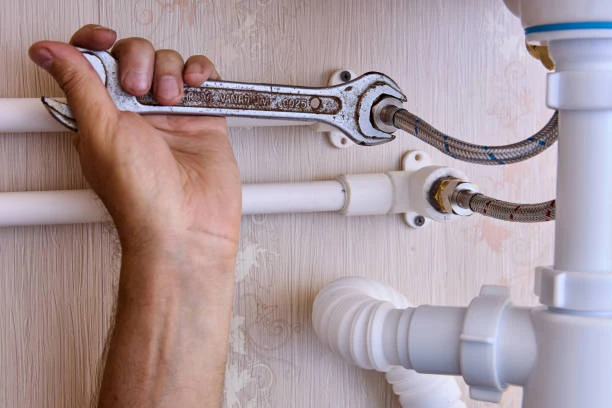
Flexible hoses are vital components in systems that operate under high-pressure conditions. Their ability to endure extreme pressure without compromising performance makes them indispensable across various industries. From hydraulic machinery to chemical processing, flexible hoses play a critical role in ensuring operational efficiency and safety. This article delves into the characteristics, materials, and designs that enable flexible hoses to resist high pressure effectively, along with their applications and maintenance requirements.
The Importance of High-Pressure Resistance
High-pressure systems demand reliable components to ensure smooth and safe operation. Flexible hoses with high-pressure resistance provide the necessary strength and durability to withstand these conditions. This capability minimizes the risk of leaks, ruptures, and system failures, especially in demanding environments.
Industries like construction, manufacturing, and aerospace rely on flexible hoses to transmit fluids under pressure. Their performance directly impacts the efficiency and safety of the equipment and processes they support.
Key Features of High-Pressure Hoses
Reinforced Layers
Manufacturers incorporate multiple reinforcement layers into flexible hoses to enhance their strength. Materials like stainless steel wire braids, synthetic fibers, and aramid fibers fortify the hose’s structure. These reinforcements allow hoses to handle internal pressure without deforming or bursting.
For instance, hydraulic hoses often use steel wire braiding to provide excellent pressure resistance. The reinforcement ensures that the hose maintains its shape and integrity, even under extreme stress.
Durable Materials
High-pressure hoses rely on durable materials to achieve exceptional performance. Rubber, thermoplastics, and metals like stainless steel are commonly used. Each material offers unique benefits, including flexibility, corrosion resistance, and heat tolerance.
For example, thermoplastic hoses deliver superior pressure resistance while remaining lightweight and easy to handle. Rubber hoses, often reinforced with synthetic fibers, offer durability and resilience in high-pressure environments.
Tight Sealing
A secure connection ensures that high-pressure hoses function effectively. Reliable fittings and connectors maintain tight seals, preventing leaks or pressure loss. Proper sealing also enhances safety by reducing the risk of fluid escapes under high pressure.
In hydraulic systems, crimped fittings connect the hose to pumps, valves, and actuators. These connections ensure uninterrupted flow, even in systems operating at thousands of psi (pounds per square inch).
Applications of High-Pressure Flexible Hoses
Hydraulic Systems
Hydraulic machinery heavily depends on high-pressure hoses for transmitting hydraulic fluid. Excavators, cranes, and forklifts rely on these hoses to perform tasks like lifting, digging, and moving loads.
The hoses in these systems maintain flexibility while withstanding extreme pressure, enabling precise and powerful movements. Their durability ensures consistent performance, even in rugged conditions.
Aerospace and Automotive Industries
Aircraft and automobiles utilize high-pressure hoses to manage fuel, oil, and hydraulic fluids. In aviation, hoses transport hydraulic fluid to control surfaces, landing gear, and braking systems.
Automotive applications include power steering systems and brake lines, where high-pressure hoses provide the strength to handle intense forces during operation.
Processamento Químico
Flexible hoses designed for chemical processing resist both high pressure and aggressive chemicals. These hoses transport acids, solvents, and other reactive substances safely and efficiently.
The ability to endure extreme conditions makes them suitable for reactors, mixing equipment, and transfer lines. Their reliability ensures uninterrupted operation in critical chemical processes.
Setor de Petróleo e Gás
The oil and gas industry uses high-pressure hoses for drilling, production, and refining operations. Hoses connect drilling rigs to pumps and tanks, transporting oil, water, and drilling mud under high pressure.
Their resistance to pressure and harsh environments makes them essential in offshore and onshore applications. Reinforced hoses ensure safety and efficiency during exploration and production activities.
Design Considerations for High-Pressure Hoses
Burst Pressure Ratings
Engineers consider burst pressure ratings when selecting high-pressure hoses. The burst pressure represents the maximum pressure a hose can withstand before failing. Designers often choose hoses with ratings significantly higher than the operating pressure to ensure safety.
Inner Tube Composition
The inner tube of a high-pressure hose plays a crucial role in handling pressure and fluid compatibility. Materials like synthetic rubber and thermoplastics prevent fluid leakage and resist internal wear.
For example, PTFE (polytetrafluoroethylene) inner tubes provide excellent chemical resistance and maintain performance under high pressure.
Reinforcement Techniques
Manufacturers use advanced reinforcement techniques to enhance pressure resistance. Spiral layering and braiding strengthen the hose structure, allowing it to endure extreme conditions.
Spiral-reinforced hoses, often used in construction and mining, deliver high-pressure resistance and improved flexibility. Braided hoses offer a balance of strength and maneuverability, making them suitable for diverse applications.
Maintenance and Safety Practices
Inspeções regulares
Routine inspections ensure that high-pressure hoses remain in optimal condition. Technicians check for signs of wear, cracks, and leaks, replacing damaged hoses promptly. Regular inspections reduce the risk of failures and prolong hose lifespan.
Armazenamento adequado
Storing hoses correctly preserves their integrity and performance. Coiling hoses neatly and avoiding sharp bends prevent structural damage. Protecting hoses from extreme temperatures and UV exposure maintains their material properties.
Correct Installation
Installing high-pressure hoses with the right fittings and alignment prevents unnecessary stress. Avoiding excessive twisting or stretching reduces the likelihood of leaks and prolongs hose life.
Advantages of High-Pressure Flexible Hoses
Segurança aprimorada
High-pressure hoses minimize risks by providing reliable connections and leak-proof performance. Their ability to withstand intense pressure ensures safe operation in critical systems.
Eficiência Operacional
Flexible hoses maintain consistent performance, reducing downtime and enhancing productivity. Their durability and strength allow systems to operate smoothly under demanding conditions.
Versatilidade
The adaptability of high-pressure hoses makes them suitable for a wide range of applications. They support diverse industries, from agriculture to aerospace, delivering reliable solutions in each sector.
Conclusão
High-pressure flexible hoses combine strength, durability, and adaptability to meet the demands of challenging environments. Their role in hydraulic systems, chemical processing, and aerospace highlights their versatility and reliability. By focusing on proper design, material selection, and maintenance, industries can maximize the performance and safety of these essential components. Flexible hoses continue to play a crucial role in advancing technology and ensuring efficient operations across various fields.
Norma internacional IFAN
As normas da IFAN incluem uma série de certificações e especificações internacionais, como ASTM 2846, DIN 8079/8080, ASTM F441/F441M SCH80, DIN, série GB/T 18993, AS/NZS 1477, CSA B137.6, NSF/ANSI 14 e TIS 17-2532/1131-2535, entre outras. Essas normas garantem a qualidade, a segurança e a confiabilidade dos produtos, alinhando-se aos requisitos globais de fabricação e desempenho. Ao aderir a essas normas, a IFAN garante que seus produtos atendam aos rigorosos padrões do setor, garantindo a satisfação do cliente e a conformidade com as diretrizes regulatórias em diversas regiões.
Contato
A IFAN é uma fabricante profissional com 30 anos de experiência, dedicada à produção de tubos, conexões e válvulas de plástico de alta qualidade. Nossos produtos incluem válvulas de latão, válvulas de PPR, além de diversos tubos e conexões para atender às diferentes necessidades dos clientes. Seja para tubos de encanamento e drenagem ou válvulas, a IFAN oferece uma gama diversificada de produtos de alta qualidade e custo-benefício para apoiar seus projetos. Abaixo, você encontra nossos dados de contato.
Responderemos seu e-mail ou fax em até 24 horas.
Você pode nos ligar a qualquer momento caso tenha alguma dúvida sobre nossa produção.
Para mais informações, visite nosso site https://www.ifanplus.com/
Por favor, envie um e-mail para: [email protected]
Whatsapp: + 86 19857948982























