


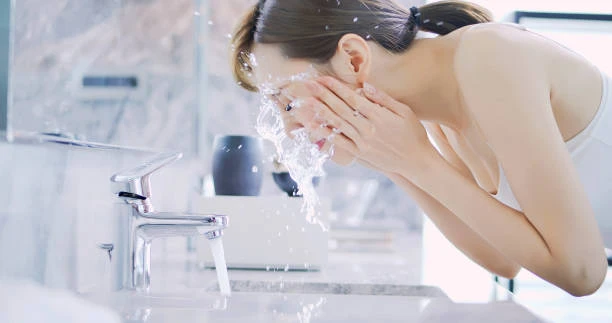
Wash basins are essential fixtures in homes, offices, and public spaces. With growing concerns over water conservation and environmental impact, more wash basins are now designed with water-saving features. These innovations aim to reduce water consumption while maintaining the necessary performance for everyday use. This guide will explore the various water-saving features of modern wash basins and how they contribute to sustainability.
Low-Flow Faucets
One of the most significant advancements in wash basin design is the introduction of low-flow faucets. These faucets are engineered to limit the amount of water that flows through them without compromising the water pressure or performance. Typically, low-flow faucets are designed to use 1.5 gallons (5.7 liters) of water per minute or less, compared to traditional faucets that can use over 2.5 gallons (9.5 liters) per minute.
Low-flow faucets use aerators or pressure-compensating valves to reduce the flow of water while maintaining a consistent pressure. The aerator mixes air with water, creating a fuller stream without increasing water usage. This feature helps conserve water without affecting the user’s experience, allowing for effective handwashing or face washing with minimal water waste.
Motion-Sensor Faucets
Motion-sensor faucets are another effective water-saving feature that helps to reduce water consumption. These faucets are activated when a person places their hands under the spout, and they automatically turn off once the hands are removed. This eliminates the need for users to manually turn the faucet on and off, reducing the likelihood of leaving the water running unnecessarily.
Motion-sensor faucets also contribute to hygiene by minimizing contact with the faucet handles, reducing the spread of germs and bacteria. In public restrooms, this feature can significantly reduce water usage since it ensures water flows only when needed. By eliminating wasteful running water, these faucets contribute to significant water savings in both residential and commercial spaces.
Water-Efficient Drainage
Water-efficient drainage systems also play a role in reducing water consumption in wash basins. These drainage systems ensure that water flows quickly and efficiently through the basin without remaining stagnant. A well-designed drain system reduces the chances of water pooling around the edges, which can encourage water wastage.
In some modern wash basins, the drainage system is integrated with a feature that redirects excess water into a collection reservoir for reuse. For example, in some eco-friendly models, water from the basin is filtered and stored for use in other applications, such as irrigation or cleaning. This feature not only conserves water but also promotes sustainability by reusing water in other household or garden tasks.
Dual-Flush Systems for Wash Basin Toilets
While dual-flush systems are more commonly associated with toilets, some modern wash basin designs incorporate dual-flush functionality for integrated bathroom solutions. This system provides two flushing options—one for liquid waste and one for solid waste. The liquid flush uses less water, making it ideal for situations where only liquid waste is being disposed of. The solid flush uses more water to ensure proper waste removal.
In wash basin toilets, the dual-flush system helps minimize water usage, especially in households with high water demand. By offering different flush volumes, users can make an informed choice based on their needs, significantly reducing water wastage without sacrificing performance.
Smart Water Monitoring
Smart water monitoring technology is becoming an increasingly popular feature in modern wash basins. These systems use sensors to track water usage in real time and can provide users with detailed feedback on their consumption patterns. Some smart systems even send alerts to users when water usage exceeds set limits, prompting them to adjust their habits.
This feature is particularly useful for households or commercial spaces aiming to reduce water consumption. By being more aware of how much water is used each time the wash basin is in operation, users can take steps to modify their behavior and conserve water more effectively.
Water-Efficient Wash Basin Design
The design of the wash basin itself plays a crucial role in water conservation. Many modern wash basins are built with a smaller volume to reduce the amount of water required for each use. Shallow basins, for instance, use less water to fill up compared to deeper, larger ones. This design helps minimize the water needed for basic tasks like washing hands or brushing teeth.
In addition, some wash basins feature built-in overflow protection, which ensures that water does not spill over the edge, thus preventing unnecessary water waste. The overflow feature allows water to safely drain when the basin is filled to a certain level, helping maintain the proper water levels in the sink while avoiding spills.
Eco-Friendly Materials
Wash basins made from eco-friendly materials also contribute to water conservation. Some wash basins are crafted from recycled or sustainable materials, reducing the environmental impact of production and disposal. By choosing materials that are durable and long-lasting, consumers help reduce the need for frequent replacements, which can indirectly lead to a decrease in water usage over time.
Materials such as recycled glass, natural stone, and eco-friendly ceramics are increasingly popular choices for environmentally conscious consumers. These materials are often designed to be more resilient and easier to maintain, further enhancing the water-saving benefits of the wash basin.
Water-Saving Tips for Users
Aside from the design and features of the wash basin, users can also adopt water-saving habits that reduce consumption. For instance, turning off the faucet while lathering hands or brushing teeth can save a significant amount of water. Users can also adjust the water temperature to avoid excessive hot water use, which often requires more energy to heat and can lead to water wastage.
Installing a water-efficient wash basin can also benefit users who install water-saving devices such as aerators and flow restrictors. These devices can further reduce water consumption while maintaining water pressure.
Benefits of Water-Saving Wash Basins
The benefits of installing a water-saving wash basin go beyond simply conserving water. These fixtures contribute to reduced utility bills by lowering water usage. In areas where water costs are high, this can lead to substantial savings over time. Moreover, water-efficient wash basins reduce the strain on local water supplies, making them an important tool in combating water shortages in drought-prone regions.
Water conservation also contributes to environmental sustainability by reducing the energy required to pump, treat, and transport water. By using less water, users decrease the energy required for water processing, thereby lowering their overall carbon footprint. This can play a vital role in addressing global environmental challenges and promoting a more sustainable future.
Best Wash Basin Manufacturers
| nome da empresa | Sede/Localização | Ano de fundação |
| IFAN | ZhuJi,China | 1993 |
| Corporação Celanese | Irving, Texas, nos Estados Unidos | 1921 |
| Dow | Midland, Michigan, nos Estados Unidos | 1897 |
| JM Águia | Livingston, Nova Jersey | 1982 |
| Cresline Plastic Pipe Co. Inc. | Mechanicsburg, Pensilvânia, Council Bluffs, Iowa, Corsicana, Texas | 1949 |
Norma internacional IFAN para lavatórios
As normas da IFAN incluem uma série de certificações e especificações internacionais, como ASTM 2846, DIN 8079/8080, ASTM F441/F441M SCH80, DIN, série GB/T 18993, AS/NZS 1477, CSA B137.6, NSF/ANSI 14 e TIS 17-2532/1131-2535, entre outras. Essas normas garantem a qualidade, a segurança e a confiabilidade dos produtos, alinhando-se aos requisitos globais de fabricação e desempenho. Ao aderir a essas normas, a IFAN garante que seus produtos atendam aos rigorosos padrões do setor, garantindo a satisfação do cliente e a conformidade com as diretrizes regulatórias em diversas regiões.
Conclusão
Water-saving features in wash basins offer an excellent way to reduce water consumption without compromising performance. Low-flow faucets, motion-sensor technology, water-efficient drainage systems, and eco-friendly materials all contribute to more sustainable water usage. By integrating these features into both residential and commercial spaces, individuals can significantly reduce their water footprint and contribute to a more sustainable future.
Through conscious design, smart technology, and responsible habits, the modern wash basin is not just a functional household fixture—it is an essential tool in the global effort to conserve water and protect the environment. Whether installing a new basin or upgrading an existing one, choosing water-efficient options provides long-term benefits for both the user and the planet.
Contato
IFAN é um fabricante profissional com 30 anos de experiência, dedicado à produção de tubos, conexões e válvulas de plástico de alta qualidade. Nossos produtos incluem válvulas de latão, válvulas PPR, além de diversos tubos e conexões para atender às diferentes necessidades dos clientes. Seja para encanamento e drenagem, tubos ou válvulas, IFAN Podemos fornecer uma gama diversificada de produtos de alta qualidade e custo-benefício para apoiar seus projetos. Abaixo estão nossas informações de contato.
Responderemos seu e-mail ou fax em até 24 horas.
Você pode nos ligar a qualquer momento caso tenha alguma dúvida sobre nossa produção.
Para mais informações, visite nosso site https://www.ifanplus.com/
Por favor, envie um e-mail para: [email protected]
Whatsapp: + 86 19857948982























