


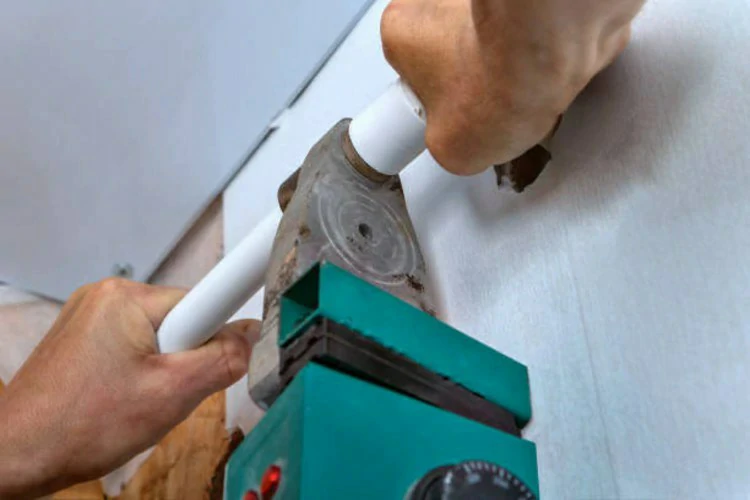
Introduction to PPH Pipes:
PPH (Polypropylene Homopolymer) pipes are widely used in various industries due to their excellent chemical resistance, durability, and versatility. One critical aspect of PPH pipes that engineers and designers must consider is their thermal deformation characteristics. This article explores the thermal behavior of PPH pipes, including their response to heat, deformation mechanisms, and implications for different applications.
1. Thermal Deformation Behavior:
Thermal Expansion:
PPH pipes exhibit thermal expansion when subjected to elevated temperatures. Like most thermoplastics, PPH undergoes expansion as its molecular chains gain energy and move more freely. This expansion can result in dimensional changes in the pipe, potentially affecting its fit, alignment, and overall performance.
Softening Point:
At certain temperatures, PPH reaches its softening point, where it becomes more pliable and susceptible to deformation. The softening point of PPH pipes typically ranges from 80°C to 110°C, depending on the grade and composition of the material. Beyond this temperature range, PPH may experience significant deformation under load.
Creep Behavior:
PPH pipes also exhibit creep behavior when subjected to sustained loads at elevated temperatures. Creep refers to the gradual deformation of a material over time under constant stress. In the case of PPH pipes, prolonged exposure to high temperatures and mechanical loads can lead to creep deformation, resulting in permanent changes in shape and dimensions.
2. Factors Influencing Thermal Deformation:
Temperature Exposure:
The extent of thermal deformation in PPH pipes is directly influenced by the temperature to which they are exposed. Higher temperatures accelerate molecular movement within the material, increasing the likelihood of thermal expansion, softening, and creep deformation. Engineers must carefully consider the operating temperature range of PPH pipes to prevent undesirable thermal effects.
Load Conditions:
Mechanical loads acting on PPH pipes can exacerbate thermal deformation, especially at elevated temperatures. The combination of thermal and mechanical stresses can induce significant strain on the material, leading to deformation and potential failure. Proper load management and structural design are essential for minimizing the impact of load-induced deformation in PPH piping systems.
Composição do material:
The composition of PPH material, including its molecular weight, additives, and reinforcement fibers, can affect its thermal deformation behavior. Higher molecular weight grades of PPH typically exhibit greater resistance to thermal deformation due to their stronger molecular structure. Additionally, the inclusion of reinforcement fibers can enhance the dimensional stability of PPH pipes under thermal and mechanical stress.
3. Implications for Applications:
Engineering Design Considerations:
Engineers and designers must account for the thermal deformation characteristics of PPH pipes when selecting materials and designing piping systems for specific applications. Proper thermal insulation, load analysis, and material selection are essential to mitigate the risk of thermal deformation and ensure the long-term performance of PPH piping systems.
Temperature Control Measures:
In applications where temperature control is critical, such as hot water distribution or chemical processing, implementing temperature monitoring and control measures can help prevent excessive thermal deformation in PPH pipes. By maintaining operating temperatures within safe limits, engineers can minimize the risk of thermal-related issues and ensure the reliability of PPH piping systems.
Material Testing and Quality Assurance:
Regular material testing and quality assurance protocols are essential for verifying the thermal deformation characteristics of PPH pipes and ensuring compliance with industry standards. Thorough testing under simulated operating conditions can provide valuable insights into the behavior of PPH materials and help identify potential risks associated with thermal deformation.
Conclusão:
Understanding the thermal deformation characteristics of PPH pipes is crucial for engineering design, material selection, and application planning. By recognizing the factors influencing thermal deformation, engineers can implement effective mitigation strategies and ensure the reliable performance of PPH piping systems in various industrial applications. Through careful consideration of temperature exposure, load conditions, and material composition, PPH piping solutions can withstand thermal challenges and deliver long-term durability and reliability.
Contato
IFAN é um fabricante profissional com 30 anos de experiência, dedicado à produção de tubos, conexões e válvulas de plástico de alta qualidade. Nossos produtos incluem válvulas de latão, válvulas PPR, além de diversos tubos e conexões para atender às diferentes necessidades dos clientes. Seja para encanamento e drenagem, tubos ou válvulas, IFAN Podemos fornecer uma gama diversificada de produtos de alta qualidade e custo-benefício para apoiar seus projetos. Abaixo estão nossas informações de contato.
Responderemos seu e-mail ou fax em até 24 horas.
Você pode nos ligar a qualquer momento caso tenha alguma dúvida sobre nossa produção.
Para mais informações, visite nosso site https://www.ifanplus.com/
Por favor, envie um e-mail para: [email protected]























