


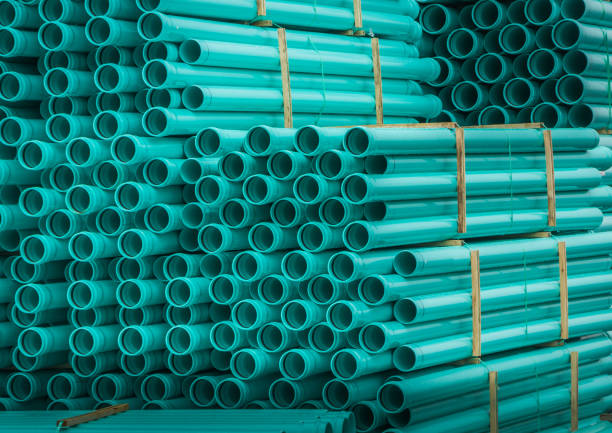
Pipa ledeng PVC have revolutionized wastewater management systems across residential, commercial, and industrial sectors. These versatile pipes offer exceptional durability, chemical resistance, and cost-effectiveness, making them the preferred choice for drainage, sewage, and waste disposal applications. This comprehensive guide explores the fundamental properties of PVC pipes, their specific advantages for wastewater handling, and practical considerations for installation and maintenance. We will also address common questions about their performance in sewage systems, helping you understand why PVC remains the industry standard for efficient and reliable wastewater transportation.
What Are PVC Plumbing Pipes? Definition and Key Characteristics
PVC (Polyvinyl Chloride) pipes are synthetic plastic pipes manufactured through an extrusion process, creating rigid, durable tubing perfect for wastewater applications. These pipes possess several remarkable characteristics that make them ideal for sewage and drainage systems. First, their superb chemical resistance allows them to handle aggressive waste materials and acidic substances without corroding or deteriorating. Unlike metal pipes, PVC will never rust, ensuring long-term reliability in underground installations where moisture constantly presents a challenge.
The smooth interior surface of PVC pipes significantly enhances their performance in wastewater management. This smoothness prevents waste particles from adhering to pipe walls, reducing blockages and maintaining optimal flow capacity. Additionally, PVC pipes exhibit excellent structural strength, capable of withstanding soil pressures and load stresses when buried underground. Their lightweight nature simplifies transportation and installation, while their jointing system using solvent cement creates permanent, leak-proof connections that prevent sewage leakage and groundwater contamination.
Common Applications and Industries Using PVC Pipes for Wastewater
PVC plumbing pipes serve numerous critical functions in wastewater management across various industries. In residential settings, they form the backbone of Drain-Waste-Vent (DWV) systems, efficiently transporting household sewage to municipal lines or septic tanks. Municipal water treatment plants extensively use large-diameter PVC pipes for main sewage lines and collector systems because of their reliability and minimal maintenance requirements. The construction industry relies on PVC pipes for building drainage systems, connecting toilets, sinks, and showers to main waste lines.
Industrial facilities particularly benefit from PVC pipes in their wastewater management. Manufacturing plants use them to transport chemical-laden wastewater to treatment areas, taking advantage of PVC’s resistance to various industrial chemicals. Agricultural operations implement PVC systems for animal waste removal and processing facility drainage. Commercial establishments such as hotels, hospitals, and shopping centers utilize PVC pipes for their main sewage lines due to their quiet operation and resistance to clogging. Even in marine applications, PVC pipes handle wastewater management on ships and offshore platforms where corrosion resistance becomes absolutely crucial.
Frequently Asked Questions (FAQ) About PVC Plumbing Pipes for Wastewater
1. Are PVC pipes suitable for main sewer lines?
Yes, PVC pipes excel as main sewer lines due to their durability and corrosion resistance. They handle residential and commercial wastewater efficiently, and their smooth interior prevents scaling and buildup that can plague metal pipes over time.
2. How do PVC pipes perform with hot wastewater?
PVC pipes comfortably handle typical household hot wastewater from showers, dishwashers, and washing machines. They maintain structural integrity at temperatures up to 140°F (60°C), which covers most domestic hot water requirements.
3. What makes PVC pipes better than cast iron for wastewater?
PVC pipes outperform cast iron in several ways. They resist corrosion better, weigh significantly less for easier installation, have smoother interiors for better flow, and cost less both initially and in long-term maintenance.
4. Can PVC pipes handle chemical waste?
PVC pipes demonstrate excellent resistance to most chemicals found in domestic and commercial wastewater, including acids, alkalis, and salts. However, for highly concentrated industrial chemicals, specific chemical resistance charts should be consulted.
5. How long do PVC wastewater pipes last?
Properly installed PVC wastewater pipes typically last 50-100 years. Their resistance to corrosion and chemical degradation ensures decades of reliable service with minimal maintenance requirements.
Kesimpulan
PVC plumbing pipes have established themselves as the superior solution for wastewater management through their exceptional durability, chemical resistance, and practical installation advantages. From residential DWV systems to industrial waste handling, these pipes provide reliable performance while significantly reducing maintenance costs and environmental concerns. Their smooth interior surfaces ensure efficient waste flow, while their corrosion-resistant properties guarantee long-term service without degradation. As wastewater management requirements continue to evolve, PVC pipes remain at the forefront of technology, offering sustainable and cost-effective solutions for both current needs and future challenges. Their proven track record in diverse applications makes them the intelligent choice for anyone planning wastewater system installations or upgrades.
Hubungi IFAN untuk Katalog dan Sampel
Butuh dokumen teknis, katalog, atau contoh produk? Hubungi IFAN hari ini.
📧 Surel: [email protected]
📱 Whatsapp: +86 19857948982
Tim kami merespons dengan cepat dan menyediakan dukungan profesional untuk semua kebutuhan pipa Anda.
Standar internasional IFAN
Sistem perpipaan IFAN mematuhi berbagai standar internasional untuk memastikan kualitas dan kinerja yang tinggi. Standar ini mencakup ASTM F1974 dan ASTM F1281 untuk sistem perpipaan multilapis, CSA B137 untuk aplikasi perpipaan Kanada, DIN 16836 untuk spesifikasi teknis Jerman, GB18997 untuk standar Cina, dan ISO 21003, yang mencakup sistem perpipaan multilapis yang digunakan untuk instalasi air panas dan dingin. Cakupan sertifikasi yang luas ini menyoroti komitmen IFAN terhadap kepatuhan global dan keandalan produk.























