


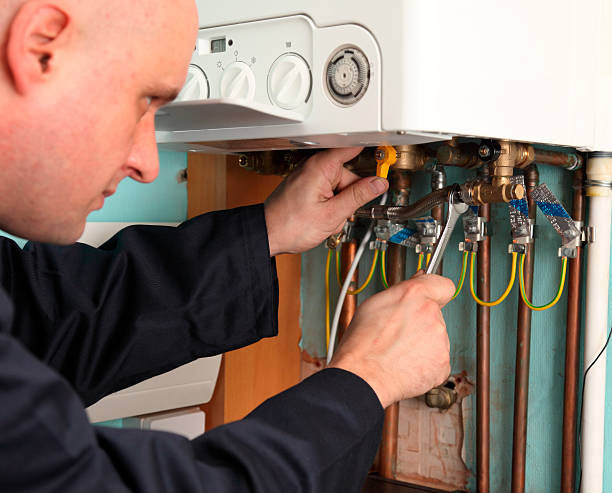
Socketless PPR fittings revolutionize plumbing by offering fast, reliable connections, but diagnosing and fixing faults ensures their long-term performance. This guide explores how to identify and address common issues with PPR quick-connect pipes, focusing on socketless fittings. You’ll find answers to frequent questions, a buying guide, installation tips to prevent faults, and a comparison of PPR with other materials. By understanding potential problems and using high-quality fittings, you can maintain a leak-free, efficient system. Whether you’re a homeowner troubleshooting a leak or a professional plumber, this article equips you to diagnose and resolve PPR pipe issues effectively.
Common Questions About Socketless PPR Fittings
1. What Are Socketless PPR Fittings?
Socketless PPR fittings connect pipes using a push-fit or snap-on mechanism, eliminating the need for socket fusion or glue. Made from polypropylene random copolymer, they resist corrosion and handle high temperatures, ideal for quick plumbing fixes.
2. What Are Common Faults in PPR Quick-Connect Systems?
Common issues include leaks from improper installation, loose connections, or damaged O-rings, as well as blockages from debris. Most faults stem from incorrect pipe preparation or mismatched sizes.
3. Can Socketless PPR Fittings Be Repaired?
Yes, most faults can be fixed by disconnecting and reinserting the pipe or replacing damaged fittings. Using a new fitting or O-ring often resolves leaks without replacing entire sections.
4. Are Socketless PPR Fittings Suitable for High-Pressure Systems?
Absolutely. When installed correctly, they handle high-pressure water or heating systems, withstanding pressures up to 25 bar, depending on the fitting design.
5. How Long Do Socketless PPR Fittings Last?
With proper installation and maintenance, these fittings last over . Their corrosion-resistant material ensures durability, even in challenging conditions.
Apa itu Sistem Perpipaan PPR?
A PPR piping system uses polypropylene random copolymer, a durable thermoplastic, to create pipes and fittings for fluid transport. Known for its corrosion resistance, thermal stability up to 95°C, and lightweight design, PPR excels in both hot and cold water applications. Socketless PPR fittings, a key feature, allow quick connections without fusion tools, making them ideal for repairs and installations. Their smooth inner surfaces reduce friction, improving flow efficiency and preventing clogs. PPR systems are eco-friendly, recyclable, and energy-efficient to produce, offering a sustainable alternative to metal pipes. These qualities make socketless PPR fittings perfect for diagnosing and fixing faults in plumbing systems.
Penggunaan Umum dan Aplikasi Industri
Socketless PPR fittings are versatile, addressing plumbing needs across various sectors. Here’s where they’re commonly used:
- Pipa Ledeng Perumahan: Homeowners use these fittings for water supply lines in kitchens, bathrooms, and laundry rooms, simplifying repairs and upgrades.
- Bangunan Komersial: Hotels, offices, and schools rely on PPR fittings for quick maintenance of water or heating systems, minimizing operational disruptions.
- Pengaturan Industri: Factories use socketless fittings for fluid transport lines, especially for non-corrosive liquids, allowing fast fault diagnosis and repair.
- Sistem Pemanas: These fittings work in radiant floor heating or radiator systems, handling high temperatures and enabling easy fixes for leaks.
- Irigasi Pertanian: Farmers use PPR fittings for irrigation networks, with socketless designs making it easy to address faults in water delivery systems.
Their ease of use and reliability make socketless PPR fittings a go-to choice for quick fault resolution in diverse applications.
Buying Guide for Socketless PPR Fittings
Choosing high-quality socketless PPR fittings prevents faults and ensures system reliability. Consider these factors:
- Kualitas Material: Select fittings made from virgin polypropylene for durability and resistance to heat and chemicals. Low-grade materials may fail, causing leaks or loose connections.
- Konsistensi Warna: PPR fittings come in green, white, or gray. While color doesn’t affect performance, choose a matching color for aesthetic uniformity. Green is common for water systems.
- Kompatibilitas Ukuran: Match the fitting’s diameter to your pipes (e.g., 20mm, 25mm, or 32mm). Incorrect sizing is a common cause of leaks, so check specifications carefully.
- Sertifikasi: Look for fittings meeting standards like ISO 15874 or DIN 8077/8078. These certifications ensure quality and reliability for fault-free performance.
- Keandalan Merek: Choose trusted brands like IFAN, with of experience in producing PPR fittings. Reputable manufacturers reduce the risk of defective components.
Buying from reliable suppliers helps you avoid counterfeit products that could lead to system faults.
Installation Tips to Prevent and Diagnose Faults
Proper installation minimizes faults in PPR quick-connect systems. Follow these tips to prevent issues and diagnose problems effectively:
- Prepare Pipes Properly: Cut pipes straight using a sharp pipe cutter and smooth edges with a deburring tool. Rough or uneven cuts are a common cause of leaks, so ensure clean preparation.
- Inspect Fittings Before Use: Check the O-ring and locking mechanism for damage or debris. A damaged O-ring often causes leaks, so replace faulty fittings immediately.
- Pastikan Koneksi Aman: Push the pipe firmly into the fitting until it clicks or locks. If a connection feels loose, disconnect and reinsert to confirm a tight seal.
- Test for Leaks Early: Run water through the system at low pressure to identify leaks. For hot water systems, test with warm water to check seal integrity under operating conditions.
- Diagnose Blockages: If flow is restricted, check for debris inside the pipe or fitting. Disconnect and clean the fitting, or flush the system to clear blockages.
By following these steps and consulting the manufacturer’s guidelines, you can prevent faults and quickly diagnose issues, ensuring a reliable system.
PPR vs. Material Perpipaan Lainnya
To understand why socketless PPR fittings are ideal for fault diagnosis, here’s a comparison with other piping materials:
| Fitur | PPR | Tembaga | Bahan PVC | CPVC |
|---|---|---|---|---|
| Tahan Korosi | Sangat baik; tidak berkarat | Rawan terhadap korosi | Bagus; tidak berkarat | Bagus; tidak berkarat |
| Toleransi Suhu | Hingga 95°C | Hingga 200°C | Hingga 60°C | Hingga 82°C |
| Fault Diagnosis Ease | Easy (quick disconnect) | Hard (soldered joints) | Moderate (glued joints) | Moderate (glued joints) |
| Daya tahan | 50+ tahun | 50+ tahun | 25–40 tahun | 25–40 tahun |
| Biaya | Terjangkau | Mahal | Sangat terjangkau | Terjangkau |
| Ramah Lingkungan | Dapat didaur ulang, energi rendah | Dapat didaur ulang, berenergi tinggi | Tidak dapat didaur ulang | Kemampuan daur ulang terbatas |
| Berat | Ringan | Berat | Ringan | Ringan |
PPR’s quick-connect design simplifies fault diagnosis and repair compared to copper’s soldered joints or PVC/CPVC’s glued connections. PPR matches copper’s durability while being more affordable and easier to troubleshoot. For fault-prone systems, socketless PPR fittings offer a clear advantage.
Kesimpulan
Socketless PPR fittings make diagnosing and fixing faults in PPR quick-connect pipes straightforward, ensuring a reliable, leak-free system. By preparing pipes properly, inspecting fittings, and testing connections, you can prevent common issues like leaks or blockages. Their versatility spans residential, commercial, and industrial applications, making them ideal for quick repairs. Compared to copper, PVC, or CPVC, PPR offers superior ease of fault diagnosis, corrosion resistance, and affordability. For your next plumbing project, trust socketless PPR fittings to deliver durable performance and easy troubleshooting.
Hubungi IFAN untuk Katalog dan Sampel
Butuh dokumen teknis, katalog, atau contoh produk? Hubungi IFAN hari ini.
📧 Surel: [email protected]
📱 Whatsapp: +86 19857948982
Tim kami merespons dengan cepat dan menyediakan dukungan profesional untuk semua kebutuhan pipa Anda.
Standar internasional IFAN
Sistem perpipaan IFAN mematuhi berbagai standar internasional untuk memastikan kualitas dan kinerja yang tinggi. Standar ini mencakup ASTM F1974 dan ASTM F1281 untuk sistem perpipaan multilapis, CSA B137 untuk aplikasi perpipaan Kanada, DIN 16836 untuk spesifikasi teknis Jerman, GB18997 untuk standar Cina, dan ISO 21003, yang mencakup sistem perpipaan multilapis yang digunakan untuk instalasi air panas dan dingin. Cakupan sertifikasi yang luas ini menyoroti komitmen IFAN terhadap kepatuhan global dan keandalan produk.























