Related products
-
 Industri Plastik
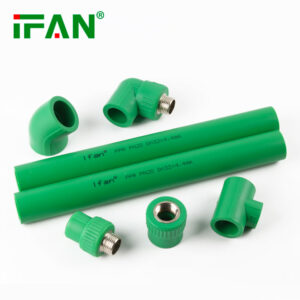
IFAN Harga Murah PPR Fitting Double Elbow chuangrong
-
Sale!
 Industri Plastik
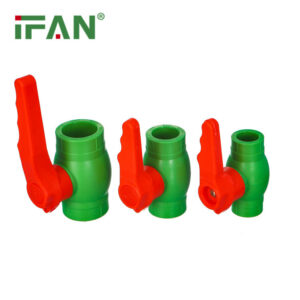
IFAN OEM ODM PPR Fitting Katup Bola PPR chuangrong
-
 Industri Plastik
IFAN Custom Fitting PPR Berkualitas Baik Cross Chuangrong
-
Sale!
 Industri Plastik
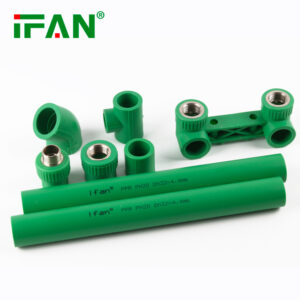
Soket Pria dan Wanita IFAN PPR chuangrong
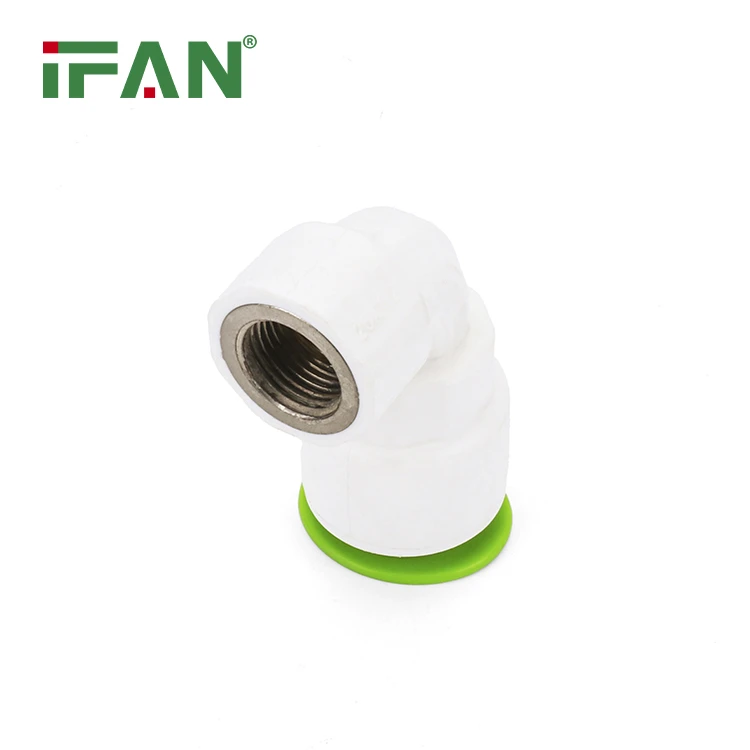
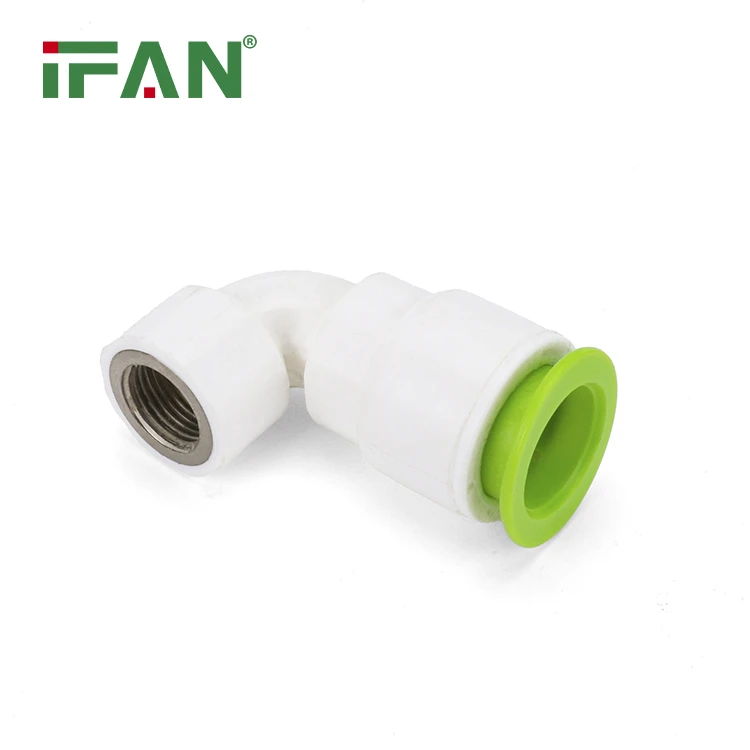
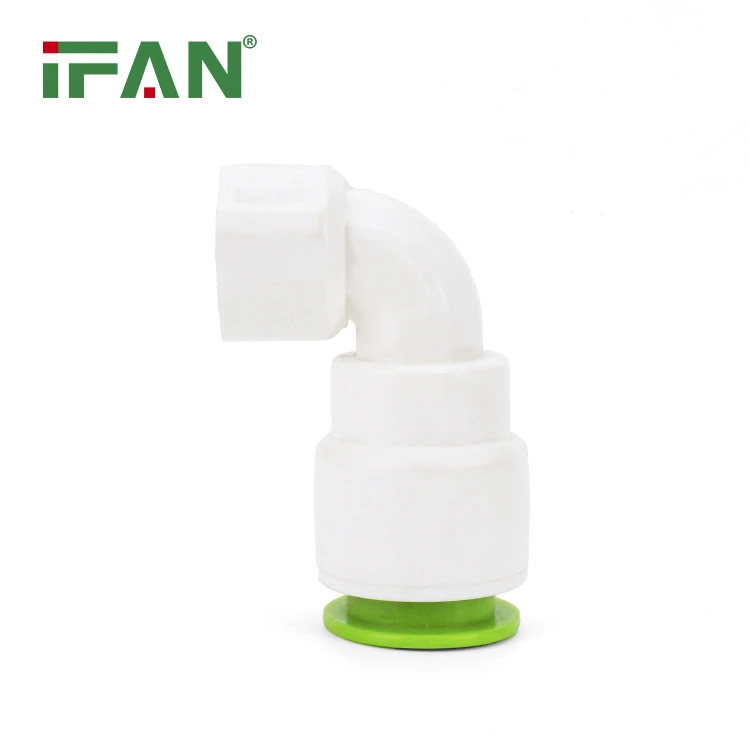
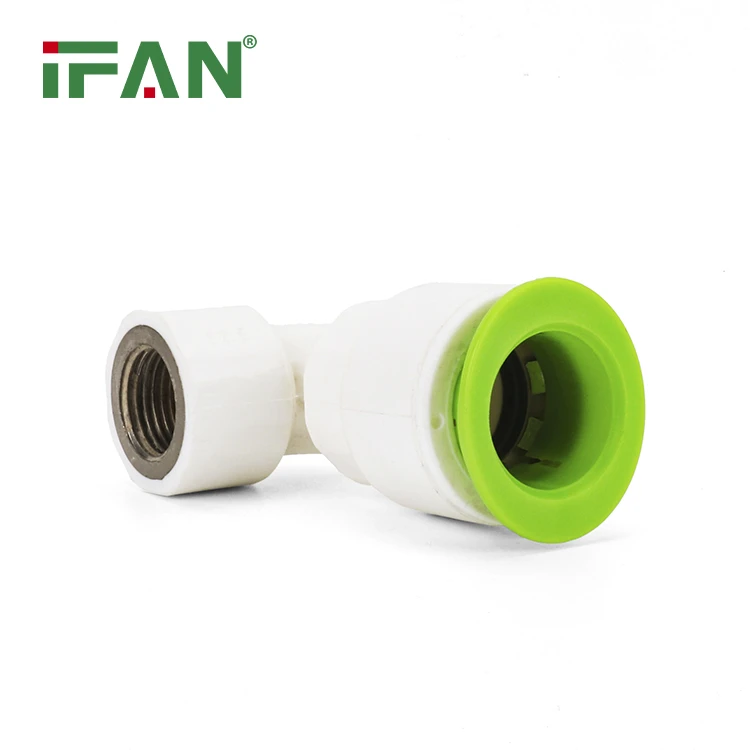
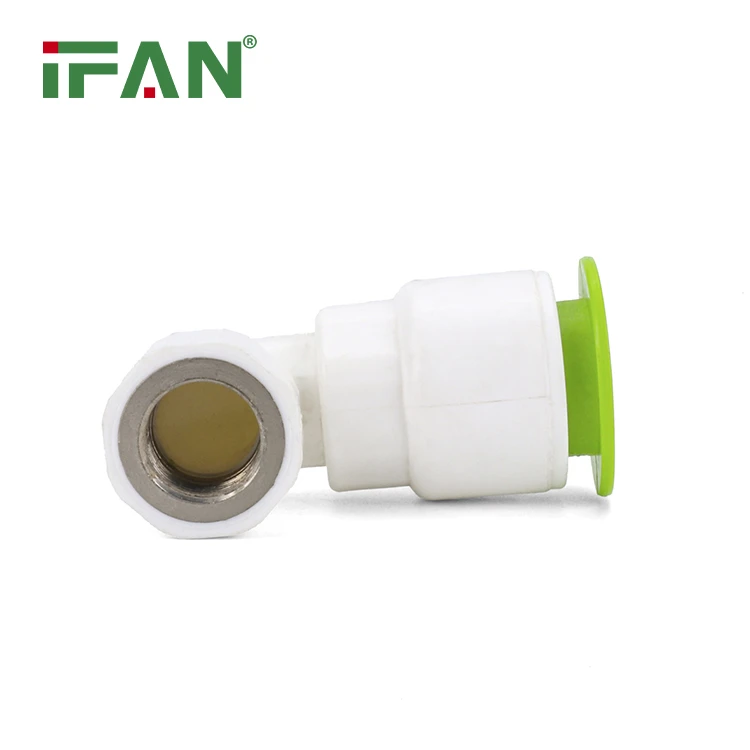
Comprehensive Guide to PPR Female Elbow Fittings
Introduction to PPR Female Elbow Technology
PPR (Polypropylene Random Copolymer) female elbows represent a significant advancement in modern piping systems, offering superior performance compared to traditional metal or PVC alternatives. These specialized fittings combine the exceptional material properties of PPR with a practical threaded female connection, creating versatile components that bridge the gap between plastic and metal piping systems. The unique design of PPR female elbows makes them indispensable for projects requiring both the durability of fusion-welded PPR connections and the adaptability of threaded joints.
Komposisi dan Properti Material
The foundation of PPR female elbow excellence lies in its high-grade polypropylene random copolymer construction. This engineered thermoplastic demonstrates remarkable characteristics that set it apart from conventional piping materials:
-
Thermal Stability: PPR maintains structural integrity across an impressive temperature range from -20°C to +95°C, making it suitable for both hot and cold water applications without risk of deformation or failure.
-
Chemical Resistance: The material’s molecular structure provides inherent resistance to most acids, alkalis, and other aggressive chemicals, ensuring long-term performance even in demanding industrial environments.
-
Mechanical Strength: Despite being lightweight, PPR exhibits excellent tensile strength and impact resistance, capable of withstanding pressures up to 20 bar at room temperature (PN20 rating).
Design Features and Functional Advantages
Dual Connection System
The PPR female elbow’s innovative design incorporates two distinct connection methods:
-
Fusion Welding Socket: The PPR socket end allows for permanent, leak-proof joints through heat fusion welding, creating homogeneous connections that are stronger than the pipe itself.
-
Female Threaded Port: The threaded end features precision-cut threads (typically BSP or NPT standard) that enable secure connections to male-threaded components such as valves, meters, or transition fittings.
Hydraulic Efficiency
The smooth interior bore of PPR female elbows offers significant hydraulic advantages:
-
Laminar Flow Maintenance: The ultra-smooth surface minimizes turbulence and friction loss
-
Consistent Flow Characteristics: Resists scaling and deposit accumulation that can restrict flow over time
-
Energy Efficiency: Reduced pressure drop translates to lower pumping costs
Technical Specifications and Variants
PPR female elbows are available in comprehensive size ranges and configurations:
-
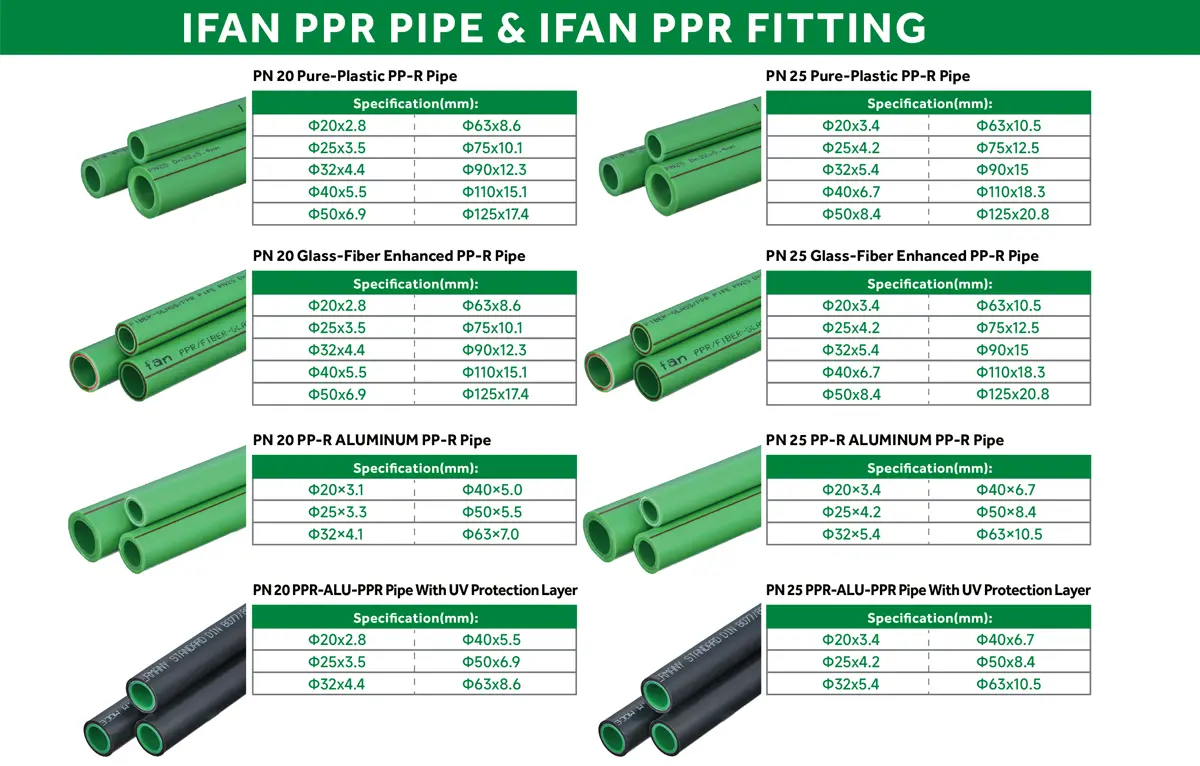
Standard Sizes: DN20 (3/4″) to DN63 (2″) for most applications
-
Angle Options: 90° and 45° configurations for different directional requirements
-
Pressure Ratings: PN20 standard (20 bar at 20°C), with higher pressure options available
-
Thread Standards: BSP (British Standard Pipe) as standard, with NPT (National Pipe Thread) available for specific markets
Praktik Terbaik Instalasi
Preparation Phase
-
Pipe Cutting: Use a dedicated PPR pipe cutter for clean, square cuts
-
Surface Preparation: Remove any burrs and clean both pipe and fitting surfaces
-
Depth Marking: Mark the insertion depth on the pipe for proper fusion alignment
Fusion Welding Process
-
Machine Setup: Preheat fusion welder to 260°C (±5°C)
-
Simultaneous Heating: Insert both pipe end and fitting socket onto welding mandrels
-
Heating Time: Follow manufacturer’s guidelines based on pipe diameter
-
Joining Procedure: Quickly connect heated components with straight, firm pressure
-
Cooling Period: Allow natural cooling without disturbance
Threaded Connection Procedure
-
Thread Inspection: Verify thread condition and compatibility
-
Sealing Application: Apply appropriate thread sealant (Teflon tape or paste)
-
Hand-Tightening: Start connection by hand to prevent cross-threading
-
Final Torque: Use appropriate tools for final tightening (avoid over-torquing)
-
Alignment Check: Ensure proper orientation before final tightening
Aplikasi di Berbagai Industri
Sistem Perpipaan Rumah Tangga
-
Sambungan pemanas air
-
Fixture supply line transitions
-
Radiator and underfloor heating installations
Commercial Building Services
-
HVAC system piping
-
Pump station connections
-
Water distribution networks
Aplikasi Industri
-
Chemical processing lines
-
Compressed air systems
-
Industrial cooling circuits
Comparative Advantages Over Traditional Fittings
Versus Metal Elbows
-
Corrosion Resistance: Immune to rust and electrolytic corrosion
-
Weight Reduction: Approximately 1/8 the weight of comparable steel fittings
-
Thermal Insulation: Lower thermal conductivity reduces heat loss
-
Water Quality: No metal ion leaching maintains water purity
Versus PVC Fittings
-
Temperature Resistance: Higher maximum operating temperature
-
Impact Strength: Better performance in cold environments
-
Joint Reliability: Superior fusion welding characteristics
-
Longevity: Longer service life expectancy
Maintenance and Lifecycle Considerations
PPR female elbows require minimal maintenance due to their inherent material properties:
-
No periodic tightening needed (unlike mechanical joints)
-
Resistant to biological growth and biofilm formation
-
No degradation from UV exposure (when used indoors)
-
Typical service life exceeds with proper installation
Quality Assurance and Standards Compliance
Reputable manufacturers produce PPR female elbows in compliance with international standards:
-
ISO 15874: Plastics piping systems for hot and cold water installations
-
DIN 8077/8078: Material and dimensional standards
-
NSF/ANSI 61: Certification for potable water contact
Cost-Benefit Analysis
While the initial material cost may be slightly higher than some alternatives, PPR female elbows offer significant long-term advantages:
-
Reduced installation labor costs (faster joining process)
-
Lower maintenance expenses (no replacement gaskets or corrosion treatments)
-
Energy savings (improved hydraulic efficiency)
-
Extended system lifespan (reduced replacement frequency)
Environmental Profile
PPR female elbows contribute to sustainable building practices through:
-
Energy-efficient production compared to metal fittings
-
Recyclability at end of service life
-
Contribution to water conservation (leak-free systems)
-
Reduced transport energy (lighter weight)
Pemecahan Masalah Umum
-
Leakage at Threaded Connection:
-
Verify proper thread sealant application
-
Check for thread damage
-
Ensure adequate but not excessive tightening torque
-
Fusion Joint Failure:
-
Confirm proper heating temperature and duration
-
Check for contamination on joining surfaces
-
Verify sufficient cooling time before pressure testing
Future Developments in PPR Technology
The PPR fitting industry continues to evolve with:
-
Smart integration capabilities for monitoring systems
-
Improved composite materials for higher temperature applications
-
Enhanced connection systems for faster installation
-
Expanded size ranges for larger diameter applications
Kesimpulan
PPR female elbows represent the pinnacle of modern piping technology, combining the reliability of fusion-welded PPR with the versatility of threaded connections. Their exceptional material properties, installation advantages, and long-term performance make them the ideal choice for professionals seeking durable, efficient, and cost-effective piping solutions. As building standards and environmental requirements continue to evolve, PPR female elbows are poised to remain at the forefront of plumbing and piping system technology.