


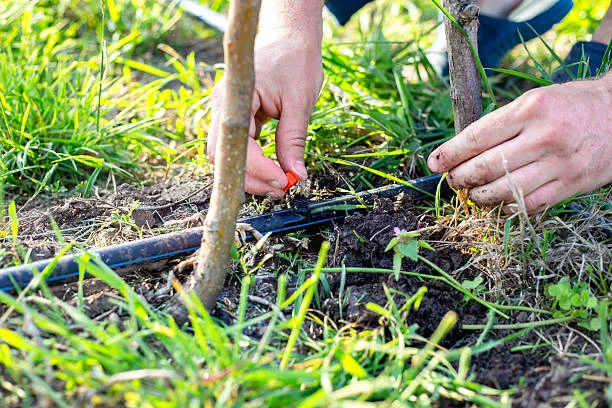
Water scarcity has become a major challenge in agriculture. Climate change, population growth, and limited resources strain global water supplies. Therefore, farmers must adopt efficient irrigation methods. Irigasi tetes HDPE stands out as a proven solution. This system conserves water while improving crop productivity. As a result, it meets both environmental and economic goals. With smart design and reliable performance, HDPE dripping irrigation leads modern sustainable farming practices.
Direct Delivery to Plant Roots
HDPE dripping irrigation delivers water directly to the root zone. This reduces surface evaporation significantly. Unlike flood irrigation, it does not soak large areas unnecessarily. Instead, each emitter targets a specific plant location. Consequently, the soil receives moisture only where it’s needed. This localized delivery enhances water absorption and minimizes waste. Farmers avoid wetting leaves or surrounding paths. This targeted method supports healthy root growth and improves overall water use.
Reduction of Evaporation Losses
Traditional irrigation methods lose large amounts of water to evaporation. Sprinklers release water into the air, where heat quickly turns it into vapor. HDPE dripping irrigation avoids this problem. It releases water slowly at ground level, under mulch or bare soil. Because of this, evaporation stays minimal even under high temperatures. Additionally, low-pressure emitters maintain a steady flow without splashing. This efficient process conserves more water with each irrigation cycle.
Prevention of Runoff and Deep Percolation
Overwatering often leads to runoff or deep percolation. Water either escapes the field surface or sinks below the root zone. HDPE dripping irrigation prevents both outcomes. The slow application rate allows soil to absorb moisture gradually. This gives roots enough time to take up water effectively. Moreover, precise control eliminates excessive watering. By reducing waste, HDPE systems optimize every drop. Consequently, farms retain more water in the soil where plants need it most.
Adaptability to Soil Moisture Needs
Different crops require varying moisture levels. HDPE dripping irrigation adapts easily to those demands. Adjustable emitters deliver specific flow rates per plant type. Farmers monitor soil moisture and modify settings accordingly. As a result, crops receive the exact amount of water they need. This prevents overwatering and under-watering. With proper regulation, water use becomes more efficient. HDPE systems adjust daily or seasonally without reinstallation.
Compatibility with Smart Irrigation Tools
Technology continues to improve farm management. HDPE dripping irrigation works well with smart devices. Sensors track moisture and adjust irrigation schedules automatically. Controllers send data to farmers’ phones in real time. This feedback helps optimize irrigation timing and volume. Furthermore, the system runs only when needed, avoiding unnecessary water use. These smart features increase water efficiency and reduce manual labor. Because HDPE systems remain flexible, they integrate smoothly with digital platforms.
Lower Weed Growth and Competition
Weeds compete with crops for moisture and nutrients. Traditional irrigation methods water the entire field surface. This encourages weed germination and growth. In contrast, HDPE dripping irrigation targets only plant root zones. Dry spaces between rows discourage weed development. As a result, farmers save water while minimizing competition. Lower weed pressure reduces herbicide use and supports organic practices. Efficient watering benefits both the crop and the environment.
Improved Infiltration and Soil Structure
Heavy watering often compacts soil or creates hard crusts. HDPE dripping irrigation avoids such damage. It applies water slowly and steadily, maintaining soil structure. Pores stay open, allowing air and nutrients to move freely. Healthy soil absorbs water more efficiently, reducing runoff and erosion. Over time, better infiltration leads to improved root development. With consistent moisture, crops grow evenly and produce higher yields.
Use of Mulch for Enhanced Water Retention
Mulch retains soil moisture by reducing surface evaporation. HDPE dripping irrigation works well beneath mulch layers. The pipes and emitters remain hidden, reducing sunlight exposure. As mulch keeps the soil cool and moist, water needs decrease. This partnership extends the effectiveness of irrigation cycles. With less frequent watering, farms save time and resources. Mulching and HDPE together offer an eco-friendly approach to water conservation.
Seasonal Water Use Efficiency
Water needs change throughout the growing season. Early growth requires less moisture than flowering or fruiting stages. HDPE dripping irrigation allows precise seasonal adjustments. Farmers increase or reduce flow based on crop demands. In dry seasons, they stretch water supplies through careful scheduling. During wet seasons, the system easily pauses without damage. This flexibility supports year-round water management without waste.
Efficient Fertilizer Delivery (Fertigation)
HDPE dripping irrigation also supports fertigation. Farmers inject fertilizers directly into the irrigation system. Because water flows directly to roots, nutrients arrive precisely. This method reduces leaching and runoff that waste both water and chemicals. Moreover, plants absorb more nutrients with each watering. Efficient fertigation improves crop quality and minimizes environmental impact. HDPE pipes withstand chemical exposure, ensuring long-term reliability.
Reduction in Labor and Pumping Costs
Water-efficient systems reduce labor and energy expenses. HDPE dripping irrigation requires less water volume than traditional methods. Pumps work less frequently, consuming less electricity. Farmers also spend less time monitoring or adjusting equipment. With automation, the system runs on its own. Additionally, fewer breakdowns mean less maintenance and fewer interruptions. As operating costs decrease, overall farm profitability increases.
Adaptation to Irregular Land Shapes
Not all farms have perfect layouts. Slopes, uneven terrain, and narrow plots pose irrigation challenges. HDPE dripping irrigation adapts to any field shape. Flexible pipes bend around obstacles and follow contours. Emitters function well on both flat and sloped land. This adaptability ensures uniform water distribution regardless of land conditions. Farmers use every corner of their land efficiently without wasting water.
Extended Lifespan and Low Replacement Rates
Durability also supports water conservation. HDPE materials resist corrosion, UV rays, and mechanical damage. The system maintains consistent performance for many years. Fewer leaks and breakages reduce water loss over time. Because components last longer, replacements occur less often. This reduces waste and helps farms stay efficient. A long-lasting system means water-saving benefits extend over decades.
Minimal Water Loss through Leaks
Old or poorly maintained systems leak significant amounts of water. HDPE dripping irrigation avoids this with strong seals and tough materials. The leak-resistant design ensures every drop reaches its destination. Fewer joints and high-quality fittings improve system integrity. When installed properly, the system stays sealed even under pressure. Farmers gain peace of mind knowing their water investment goes directly to crops.
Support for Government Water Policies
Many governments now promote efficient water use in agriculture. HDPE dripping irrigation aligns well with these policies. It supports responsible resource use and meets legal standards. Subsidy programs often encourage switching to drip systems. Farmers benefit financially while helping protect national water supplies. By using HDPE systems, farms stay compliant and receive public support.
Environmental and Social Benefits
Water-efficient irrigation benefits more than just farms. It helps communities conserve vital water resources. Rivers, lakes, and groundwater remain available for other uses. Environmental ecosystems stay balanced and healthy. Moreover, future generations benefit from responsible farming today. HDPE dripping irrigation empowers farms to grow sustainably while protecting nature. This positive impact extends beyond fields to entire regions.
Easy System Expansion without Water Waste
Farms often grow over time. HDPE dripping irrigation expands easily without losing efficiency. New rows connect to the existing system with minimal effort. Because of precise flow control, added areas receive water evenly. There’s no need to replace the entire setup. Water delivery stays accurate even with changes. This scalability supports long-term planning and responsible water management.
Consistent Crop Yields in Drought
Droughts cause stress for many farms. With limited rainfall, irrigation becomes the primary water source. HDPE dripping irrigation provides consistent moisture during dry spells. This ensures steady growth and crop survival. While others lose yields to water shortages, drip users maintain productivity. Reliable systems reduce dependency on unpredictable weather. This water-saving edge helps farms thrive even during difficult seasons.
Promotion of Eco-Friendly Farming Practices
Consumers demand environmentally conscious food production. HDPE dripping irrigation supports those values. It reduces waste, lowers emissions, and conserves resources. By switching to drip systems, farms demonstrate commitment to sustainability. This strengthens their brand and market position. Responsible water use becomes a point of pride and a business advantage.
Kesimpulan
HDPE dripping irrigation offers unmatched water-saving advantages. It delivers water directly to roots, reduces evaporation, and prevents runoff. The system adapts to all conditions while supporting smart tools and sustainable practices. With every drop used wisely, farms improve yields and reduce costs. In a world facing water scarcity, this technology provides real hope. HDPE systems lead agriculture into a more efficient, sustainable future.
Standar internasional IFAN
Produk pipa poli IFAN mematuhi berbagai standar internasional untuk memastikan kualitas, keamanan, dan kompatibilitas di seluruh pasar global. Standar-standar tersebut meliputi ASTM D3035, ASTM D3350, seri ISO 4427, seri EN 12201, DIN 8074/8075, seri GB/T 13663, AS/NZS 4130, JIS K6760, BS 6572, dan CSA B137.1, dan lain-lain. Kepatuhan menyeluruh ini mencerminkan komitmen IFAN untuk memberikan solusi perpipaan yang andal yang memenuhi berbagai persyaratan teknis pasokan air, distribusi gas, dan aplikasi industri di seluruh dunia.
Kontak
IFAN adalah produsen profesional dengan pengalaman 30 tahun, yang berdedikasi untuk memproduksi pipa, fitting, dan katup plastik berkualitas tinggi. Produk kami meliputi katup kuningan, katup PPR, serta berbagai pipa dan fitting untuk memenuhi berbagai kebutuhan pelanggan. Baik Anda memerlukan pipa ledeng dan drainase atau produk katup, IFAN dapat menyediakan berbagai macam produk berkualitas tinggi dan hemat biaya untuk mendukung proyek Anda. Berikut adalah informasi kontak kami.
Kami akan membalas email atau faks Anda dalam waktu 24 jam.
Anda dapat menghubungi kami kapan saja jika ada pertanyaan tentang produksi kami.
Untuk informasi lebih lanjut, silakan kunjungi situs web kami https://www.ifanplus.com/
Silakan Kirim Email ke: [email protected]
Telepon Whatsapp: + 86 19857948982























