


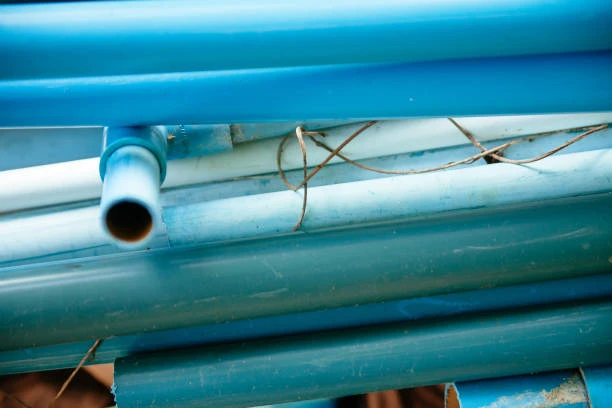
CPVC (Chlorinated Polyvinyl Chloride) water pipes offer a reliable solution in environments where corrosion remains a major concern. Builders, engineers, and facility managers rely on CPVC systems because the material consistently resists degradation from aggressive water chemistry, chemicals, and environmental factors. This resistance enables Pipa Air CPVC to maintain structural integrity and water quality in residential, commercial, and industrial applications.
Memahami Korosi pada Sistem Perpipaan
Corrosion attacks many common piping materials, especially metal pipes. Iron, copper, and steel interact with water, oxygen, and chemicals to produce rust, scale, or pitting. Over time, corrosion weakens the pipe walls, causes leaks, restricts flow, and contaminates water. In some cases, corroded pipes release harmful substances such as lead or iron oxides into the water supply.
CPVC pipes avoid these problems by using a non-metallic structure that doesn’t react with most corrosive elements. The chlorination process strengthens the polymer and shields it from acidic or alkaline attack. Unlike metals, CPVC does not support electrochemical reactions. As a result, it resists both internal and external corrosion over the long term.
The Chemical Structure of CPVC Prevents Corrosion
The molecular design of CPVC gives it excellent corrosion resistance. During manufacturing, technicians introduce chlorine atoms into the polymer chain, creating a strong and stable structure. This chlorination improves the material’s resistance to chemical degradation. The additional chlorine reduces the polymer’s ability to absorb moisture, which helps it maintain stability in aggressive environments.
CPVC also lacks free electrons, so it doesn’t support galvanic corrosion. When systems include different metals, such as copper and iron, electrical currents can form and corrode certain parts of the system. CPVC does not contribute to such reactions and helps prevent them altogether when used in mixed-material systems.
Resistance to Internal Corrosion
CPVC pipes handle aggressive water chemistry without damage. Hard water, soft water, chlorinated water, or water with low pH causes no harm to CPVC. Where metal pipes often scale or corrode internally, CPVC maintains a smooth, clean interior. That smoothness reduces friction, improves water flow, and extends system life.
Municipal water supplies often include disinfectants like chlorine or chloramine. These chemicals kill bacteria but also accelerate the corrosion of metal pipes. CPVC resists both chlorine and chloramine, making it ideal for public water systems and private well systems alike.
Resistance to External Corrosion
CPVC also performs well in humid, salty, or chemically exposed environments. Installers use CPVC in basements, industrial spaces, coastal regions, and chemical plants where moisture and airborne particles could damage other materials. CPVC resists oxidation, salt spray, acidic fumes, and other airborne contaminants.
Construction crews don’t need to wrap CPVC in protective coatings or corrosion inhibitors. The material performs reliably without additional treatments. That simplicity reduces installation time, eliminates long-term maintenance tasks, and lowers overall system costs.
Umur Panjang di Lingkungan yang Keras
CPVC pipes last for decades in corrosive conditions. Field studies and laboratory tests show that CPVC systems continue performing for more than without major degradation. Contractors install CPVC in places with acidic groundwater, sulfuric compounds, or high levels of total dissolved solids (TDS), and the material maintains its properties.
Facility managers prefer CPVC for chemical processing plants, wastewater systems, and high-humidity environments. These applications demand corrosion resistance to prevent leaks, downtime, or contamination. CPVC continues functioning without scaling, cracking, or weakening—allowing teams to avoid costly shutdowns.
CPVC vs. Metal Piping in Corrosive Conditions
Metal pipes corrode when exposed to moisture and oxygen. Steel rusts and flakes. Copper pits and forms greenish-blue corrosion. Galvanized iron pipes lose their zinc coating over time and become prone to failure. These changes restrict flow, discolor water, and weaken joints.
CPVC avoids all these problems. It doesn’t rust, flake, or degrade internally. Water flows through CPVC systems without encountering corrosion byproducts. Building owners never deal with brown water or metallic tastes when they use CPVC for domestic supply. That reliability helps CPVC outperform metals in almost every type of corrosive water environment.
Chemical Compatibility with CPVC
CPVC resists a wide range of chemicals. Engineers often check compatibility charts when designing systems, and CPVC ranks high in most categories. The material resists:
- Acids (including hydrochloric, sulfuric, and nitric acids)
- Alkalis (like sodium hydroxide and potassium hydroxide)
- Alcohols, glycols, and esters
- Salts, brines, and chlorides
- Chlorine and other oxidizing agents
Because of this compatibility, CPVC finds use in laboratories, pools, spas, food processing plants, and chemical plants. Installers use it to carry aggressive liquids that would quickly corrode metal or less stable plastics.
Water Quality and Health Protection
CPVC helps preserve water quality by resisting contamination. The smooth internal surface prevents scale buildup and bacterial growth. Unlike metal pipes, CPVC does not leach heavy metals or degrade into harmful substances. This performance makes CPVC Water Pipes suitable for drinking water systems.
Health organizations such as NSF International certify CPVC for potable water use. These certifications prove that CPVC maintains safety, resists biofilm formation, and doesn’t change the taste, smell, or clarity of drinking water. Hospitals, schools, and restaurants depend on CPVC to deliver safe, clean water without corrosion concerns.
Penghematan Biaya Melalui Ketahanan Korosi
Corrosion causes frequent repairs, replacements, and water loss. CPVC eliminates those problems and helps reduce lifetime plumbing costs. Once installed, CPVC requires little to no maintenance. It resists pinhole leaks, joint failures, and internal degradation. As a result, building owners avoid costly service calls, water damage, and system downtime.
Contractors also benefit from CPVC’s resistance to corrosion. They complete projects faster, face fewer callbacks, and receive fewer complaints from customers. The material simplifies plumbing design because it does not require cathodic protection, special linings, or corrosion allowances.
CPVC in Industrial and Commercial Applications
Industries often choose CPVC for its excellent corrosion resistance. Chemical plants, textile mills, mining operations, and plating shops expose piping systems to harsh fluids and fumes. CPVC withstands these environments without swelling, cracking, or weakening.
In HVAC systems, CPVC handles condensate and hot water circulation without reacting to the chemical additives used in water treatment. Hotels, resorts, and public buildings trust CPVC to distribute water efficiently and cleanly in centralized systems. In every case, CPVC maintains its form and performance regardless of the chemical exposure.
Installation Advantages in Corrosive Environments
Installers find CPVC easier to work with than metals in corrosive environments. The solvent welding process creates leak-proof joints without torches or welding equipment. Workers cut, assemble, and install CPVC using simple hand tools. The process remains safe, even in enclosed or chemically sensitive areas.
Because CPVC resists corrosion, installers don’t need to worry about galvanic interaction between dissimilar materials. They can combine CPVC with brass valves or plastic fittings without creating corrosion issues. The flexibility and durability of CPVC simplify complex layouts in tight or harsh spaces.
Real-World Examples of CPVC Corrosion Resistance
Municipal water utilities use CPVC for service lines and treatment facilities. The pipes resist disinfectants and mineral-heavy water while maintaining flow capacity. Swimming pool contractors use CPVC for heated water lines that carry chlorinated water, which corrodes metals rapidly.
Industrial plants use CPVC to transport acids and cleaning agents. CPVC survives chemical exposure and keeps production lines operating. Commercial kitchens rely on CPVC to deliver hot, chlorinated water for sanitation, reducing the risk of contamination and pipe failure.
Environmental Benefits of Long-Term Corrosion Resistance
CPVC supports environmental goals by reducing waste and resource consumption. Systems made with CPVC last longer, require fewer replacements, and prevent leaks. Those characteristics lower material use and minimize water loss. Because CPVC doesn’t corrode, building owners avoid pollution caused by flaking metals or chemical leaching.
The long lifespan of CPVC also means less frequent recycling or disposal. Building projects achieve sustainability goals by choosing materials that reduce long-term environmental impact. CPVC contributes to green building certifications by offering safe, durable performance in water delivery systems.
Summary of CPVC’s Corrosion Resistance Advantages
- Resists both internal and external corrosion
- Maintains flow capacity and water quality
- Eliminates rust, scale, and chemical degradation
- Handles aggressive water chemistries and disinfectants
- Offers compatibility with acids, bases, salts, and oxidizers
- Prevents leaks, contamination, and system failures
- Simplifies installation and lowers lifetime maintenance
- Performs reliably in residential, commercial, and industrial settings
Kesimpulan
CPVC water pipes deliver unmatched corrosion resistance in a wide variety of environments. Builders and engineers choose CPVC because it prevents the problems that often plague metal piping systems. Whether used in homes, schools, factories, or treatment plants, CPVC preserves water quality, structural integrity, and system efficiency.
The material resists both internal and external threats, including chlorine, salt, acid, and moisture. That strength helps CPVC outperform other materials and deliver long-term value. As infrastructure ages and corrosion becomes a growing concern, CPVC continues to provide a safe, reliable, and sustainable solution.
Standar internasional IFAN
Produk HDPE IFAN mematuhi berbagai standar internasional, yang menjamin kualitas, daya tahan, dan keandalan. Standar-standar ini meliputi ASTM D3035 dan ASTM D3350, yang menetapkan spesifikasi untuk pipa dan material polietilena (PE). Seri ISO 4427 dan EN 12201 menetapkan tolok ukur global untuk pipa PE yang digunakan dalam sistem penyediaan air. Selain itu, DIN 8074/8075 dan GB/T 13663 menetapkan persyaratan kinerja dan dimensi untuk pipa HDPE di pasar Eropa dan Tiongkok. Standar lain yang diakui, seperti AS/NZS 4130 (Australia/Selandia Baru), JIS K6760 (Jepang), BS 6572 (Inggris), dan CSA B137.1 (Kanada), semakin menunjukkan komitmen IFAN untuk memenuhi peraturan industri di seluruh dunia.
Kontak
IFAN adalah produsen profesional dengan pengalaman 30 tahun, yang berdedikasi untuk memproduksi pipa, fitting, dan katup plastik berkualitas tinggi. Produk kami meliputi katup kuningan, katup PPR, serta berbagai pipa dan fitting untuk memenuhi berbagai kebutuhan pelanggan. Baik Anda memerlukan pipa ledeng dan drainase atau produk katup, IFAN dapat menyediakan berbagai macam produk berkualitas tinggi dan hemat biaya untuk mendukung proyek Anda. Berikut adalah informasi kontak kami.
Kami akan membalas email atau faks Anda dalam waktu 24 jam.
Anda dapat menghubungi kami kapan saja jika ada pertanyaan tentang produksi kami.
Untuk informasi lebih lanjut, silakan kunjungi situs web kami https://www.ifanplus.com/
Silakan Kirim Email ke: [email protected]
Telepon Whatsapp: + 86 19857948982























