


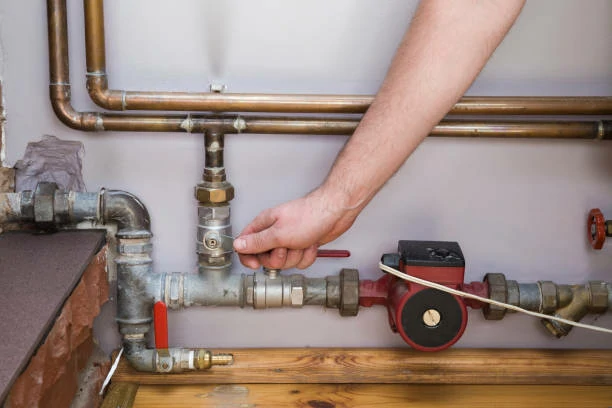
Katup sudut kuningan play a crucial role in plumbing and industrial applications. Their ability to conduct heat efficiently affects performance in systems that handle hot and cold fluids. Brass, an alloy of copper and zinc, possesses excellent thermal conductivity. This property allows brass angle valves to regulate temperature changes effectively, ensuring smooth operation in various environments.
Material Composition and Its Effect on Thermal Conductivity
Brass consists mainly of copper and zinc. Copper contributes significantly to the alloy’s thermal conductivity, while zinc modifies mechanical properties. Different brass compositions offer varying levels of heat transfer efficiency. A higher copper content increases thermal conductivity, making the material more responsive to temperature changes.
Some brass alloys include small amounts of lead, aluminum, or tin. These elements improve machinability, strength, or corrosion resistance but may slightly reduce thermal conductivity. Engineers select specific brass grades based on performance requirements, ensuring the right balance between heat transfer and durability.
Heat Transfer Efficiency in Fluid Systems
Brass angle valves regulate fluid flow in heating and cooling systems. Their thermal conductivity allows rapid heat exchange between the valve body and surrounding fluid. This property prevents temperature fluctuations that could affect system performance.
In hot water systems, brass angle valves facilitate efficient heat transfer from the fluid to the valve components. This prevents excessive thermal expansion and ensures consistent operation. In cooling applications, brass quickly dissipates heat, reducing the risk of overheating or thermal stress.
The ability of brass to distribute heat evenly reduces localized temperature variations. Uneven heat distribution can cause material stress, leading to premature wear. Brass angle valves maintain structural stability by minimizing temperature-related strain.
Impact of Thermal Conductivity on Valve Performance
Efficient thermal conductivity enhances valve responsiveness. Quick heat transfer allows the valve to adjust to temperature changes without delay. This improves control over fluid flow, preventing pressure fluctuations caused by sudden temperature shifts.
Temperature stability extends the lifespan of sealing components. Gaskets and O-rings inside the valve experience less thermal stress when heat distributes evenly. This reduces the risk of seal failure and ensures leak-free operation.
Brass angle valves operate reliably in environments with fluctuating temperatures. Their thermal conductivity helps prevent freezing in cold conditions and overheating in high-temperature applications. This adaptability makes them suitable for residential, commercial, and industrial systems.
Comparing Brass to Other Valve Materials
Different materials offer varying levels of thermal conductivity. Copper exhibits higher heat transfer efficiency than brass, but its mechanical strength and cost make it less practical for valve construction. Stainless steel provides excellent corrosion resistance but has lower thermal conductivity than brass, limiting its heat transfer efficiency.
Plastic valves offer low thermal conductivity, making them suitable for insulating applications. However, they do not provide the same durability and pressure resistance as brass. The balance of thermal performance, strength, and corrosion resistance makes brass a preferred choice for angle valves in demanding environments.
Thermal Expansion and Its Effect on Brass Angle Valves
Brass expands when exposed to heat and contracts when cooled. Controlled thermal expansion prevents damage to valve components. The predictable expansion rate of brass allows engineers to design valves with precise tolerances, ensuring smooth operation under varying temperatures.
Properly designed brass angle valves accommodate thermal expansion without compromising performance. Connections remain secure, and moving parts function efficiently despite temperature changes. This characteristic makes brass angle valves reliable in both high-temperature and cryogenic applications.
Thermal expansion must remain within safe limits to prevent excessive stress on connected pipes and fittings. Engineers calculate expansion coefficients when designing systems, ensuring compatibility between brass valves and other plumbing components.
Heat Dissipation and System Efficiency
Brass angle valves help manage heat dissipation in fluid systems. Their thermal conductivity allows excess heat to transfer away from critical components, preventing overheating. This function becomes essential in heating systems, where consistent temperature regulation improves energy efficiency.
In refrigeration applications, brass valves contribute to effective cooling. They allow controlled heat transfer between refrigerants and surrounding materials, optimizing system performance. Efficient heat dissipation reduces energy consumption, lowering operational costs.
The ability of brass to transfer heat quickly minimizes the risk of localized overheating. This prevents thermal stress, preserving valve integrity over extended periods. Long-term performance remains stable, reducing maintenance requirements and system downtime.
Manufacturing Techniques That Influence Thermal Properties
Forging, casting, and machining processes affect the thermal conductivity of brass angle valves. Forged brass components exhibit a denser microstructure, enhancing heat transfer efficiency. Machining techniques ensure smooth surfaces, improving thermal contact between components.
Plating or coating materials influence thermal conductivity. Nickel or chrome plating enhances corrosion resistance but slightly reduces heat transfer efficiency. Engineers consider these factors when selecting surface treatments, balancing thermal performance with durability.
Quality control ensures that manufacturing variations do not compromise thermal conductivity. Precision in alloy composition, machining, and finishing optimizes heat transfer properties. Consistent production standards maintain reliable performance in temperature-sensitive applications.
Testing and Performance Evaluation
Manufacturers conduct thermal conductivity tests to verify brass angle valve performance. Laboratory tests measure heat transfer rates under different conditions. Engineers analyze temperature distribution, ensuring that valves function efficiently in real-world applications.
Field testing evaluates thermal performance in actual plumbing and HVAC systems. Data collected from operational environments helps refine valve designs, improving heat transfer efficiency. Performance validation ensures that brass angle valves meet industry standards for thermal conductivity and durability.
Applications That Benefit from High Thermal Conductivity
Brass angle valves perform well in heating, cooling, and refrigeration systems. Their ability to transfer heat efficiently supports consistent temperature regulation in water heaters, boilers, and radiators.
In industrial applications, brass valves help manage thermal energy in processing equipment. Their heat transfer properties contribute to system stability in chemical, food, and pharmaceutical industries.
Medical and laboratory equipment also benefit from the thermal conductivity of brass valves. Precise temperature control improves process accuracy, ensuring reliable operation in sensitive environments.
Automotive cooling systems utilize brass angle valves to regulate heat flow. Their thermal performance enhances engine efficiency, preventing overheating and maintaining optimal operating conditions.
Kesimpulan
Brass angle valves offer excellent thermal conductivity, allowing efficient heat transfer in various applications. Their material composition, design, and manufacturing precision contribute to reliable temperature regulation. The ability to dissipate heat, accommodate thermal expansion, and maintain stability under fluctuating temperatures makes brass angle valves a preferred choice in plumbing and industrial systems.
Standar internasional IFAN
Produk HDPE IFAN mematuhi berbagai standar internasional, yang menjamin kualitas, daya tahan, dan keandalan. Standar-standar ini meliputi ASTM D3035 dan ASTM D3350, yang menetapkan spesifikasi untuk pipa dan material polietilena (PE). Seri ISO 4427 dan EN 12201 menetapkan tolok ukur global untuk pipa PE yang digunakan dalam sistem penyediaan air. Selain itu, DIN 8074/8075 dan GB/T 13663 menetapkan persyaratan kinerja dan dimensi untuk pipa HDPE di pasar Eropa dan Tiongkok. Standar lain yang diakui, seperti AS/NZS 4130 (Australia/Selandia Baru), JIS K6760 (Jepang), BS 6572 (Inggris), dan CSA B137.1 (Kanada), semakin menunjukkan komitmen IFAN untuk memenuhi peraturan industri di seluruh dunia.
Kontak
IFAN adalah produsen profesional dengan pengalaman 30 tahun, yang berdedikasi untuk memproduksi pipa, fitting, dan katup plastik berkualitas tinggi. Produk kami meliputi katup kuningan, katup PPR, serta berbagai pipa dan fitting untuk memenuhi berbagai kebutuhan pelanggan. Baik Anda memerlukan pipa ledeng dan drainase atau produk katup, IFAN dapat menyediakan berbagai macam produk berkualitas tinggi dan hemat biaya untuk mendukung proyek Anda. Berikut adalah informasi kontak kami.
Kami akan membalas email atau faks Anda dalam waktu 24 jam.
Anda dapat menghubungi kami kapan saja jika ada pertanyaan tentang produksi kami.
Untuk informasi lebih lanjut, silakan kunjungi situs web kami https://www.ifanplus.com/
Silakan Kirim Email ke: [email protected]
Telepon Whatsapp: + 86 19857948982























