


Perkenalan
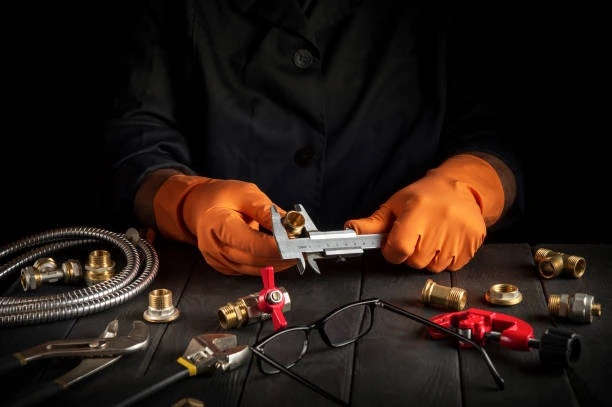
Katup tembaga provide essential functions in plumbing, heating, ventilation, air conditioning, and industrial systems. Many industries choose copper not only for its durability and corrosion resistance but also for its natural antibacterial properties. These properties help prevent microbial growth, making them an ideal choice for water distribution, medical facilities, and food processing. Understanding how copper inhibits bacterial activity ensures safer and cleaner systems.
How Copper Exhibits Antibacterial Properties
Copper naturally kills bacteria, viruses, and fungi through a process known as the oligodynamic effect. This effect allows copper surfaces to eliminate harmful microorganisms upon contact.
- Cell Membrane Disruption
Copper ions penetrate bacterial cell membranes, causing structural damage. This disruption prevents the cells from functioning properly, leading to their rapid destruction. - Protein and Enzyme Inactivation
Copper interferes with essential proteins and enzymes inside bacteria. These disruptions stop vital biological processes, preventing bacterial reproduction. - Oxidative Stress Induction
Copper triggers oxidative stress inside bacterial cells, leading to DNA and protein damage. This oxidative stress ensures complete bacterial elimination. - Continuous Antibacterial Action
Unlike chemical disinfectants, copper surfaces remain active against bacteria over time. Copper valves provide long-lasting protection against microbial contamination.
Advantages of Antibacterial Copper Valves
Copper valves offer multiple benefits due to their ability to eliminate bacteria. These advantages include improved water quality, reduced maintenance needs, and enhanced public health safety.
- Improved Water Quality
Copper valves prevent bacterial buildup in plumbing systems. This feature ensures clean, safe water for households, hospitals, and industries. - Reduced Maintenance Requirements
Systems with copper valves require fewer cleanings and chemical treatments. The antibacterial properties minimize biofilm formation, reducing maintenance costs. - Enhanced Public Health Safety
Hospitals and food processing plants benefit from copper’s ability to prevent microbial contamination. Copper valves help reduce the spread of harmful bacteria in critical environments.
Applications That Benefit from Antibacterial Copper Valves
Various industries rely on the antibacterial properties of copper valves to maintain hygiene and safety. These include drinking water systems, medical facilities, and food production.
- Drinking Water Systems
Municipal water supplies and household plumbing use copper valves to maintain water purity. Their antibacterial properties prevent bacteria like Legionella Dan E. coli from growing in pipes. - Fasilitas Medis
Hospitals install copper valves in water distribution and HVAC systems to reduce infection risks. Copper surfaces lower bacterial contamination in high-risk areas. - Pabrik Pengolahan Makanan
Factories use copper valves to handle water and liquid ingredients safely. The antibacterial properties help maintain cleanliness and prevent foodborne illnesses. - Cooling and HVAC Systems
Copper valves control fluid flow in cooling towers and air conditioning units. Their ability to resist microbial growth ensures efficient system performance.
Factors That Influence Copper’s Antibacterial Effectiveness
Several factors determine how well copper valves eliminate bacteria. These include surface exposure, environmental conditions, and water chemistry.
- Surface Exposure
Direct contact between bacteria and copper surfaces increases antibacterial effectiveness. Properly designed valves ensure maximum exposure to flowing water. - Kondisi Lingkungan
Temperature, humidity, and pH levels influence copper’s antibacterial properties. Warmer temperatures and slightly acidic environments enhance bacterial elimination. - Water Chemistry
Minerals and chemicals in water affect copper’s antimicrobial action. Hard water with high calcium levels may reduce bacterial contact with copper surfaces.
Enhancing the Antibacterial Properties
Manufacturers apply various techniques to improve the antibacterial efficiency of them. These include alloy selection, surface treatments, and design optimization.
- Alloy Selection
Different copper alloys provide varying levels of antibacterial effectiveness. High-purity copper alloys like brass and bronze enhance microbial resistance. - Surface Treatments
Polishing and coating adjustments optimize copper’s antibacterial activity. Maintaining a clean and smooth surface improves bacterial contact and elimination. - Design Optimization
Engineers design copper valves with maximum water exposure in mind. Properly structured internal surfaces increase antibacterial efficiency.
Comparing Copper Valves with Other Materials
Copper valves outperform plastic and stainless steel alternatives in antibacterial applications. These comparisons highlight why copper remains a superior choice.
- Tembaga vs. Baja Tahan Karat
Stainless steel resists corrosion but does not kill bacteria as effectively as copper. Copper provides continuous antibacterial protection without additional chemical treatments. - Copper vs. Plastic
Plastic valves do not offer antibacterial properties and may allow biofilm growth. Copper valves prevent microbial buildup, ensuring cleaner systems.
Kesimpulan
Copper valves provide natural antibacterial protection, making them ideal for water systems, healthcare facilities, and food production. Their ability to eliminate bacteria reduces maintenance needs, improves water quality, and enhances safety in various industries. By selecting high-quality copper alloys and optimizing valve design, manufacturers maximize the antibacterial benefits of copper. Understanding these properties ensures long-term efficiency, hygiene, and reliability in fluid control systems.
Standar internasional IFAN
Produk HDPE IFAN mematuhi berbagai standar internasional, yang menjamin kualitas, daya tahan, dan keandalan. Standar-standar ini meliputi ASTM D3035 dan ASTM D3350, yang menetapkan spesifikasi untuk pipa dan material polietilena (PE). Seri ISO 4427 dan EN 12201 menetapkan tolok ukur global untuk pipa PE yang digunakan dalam sistem penyediaan air. Selain itu, DIN 8074/8075 dan GB/T 13663 menetapkan persyaratan kinerja dan dimensi untuk pipa HDPE di pasar Eropa dan Tiongkok. Standar lain yang diakui, seperti AS/NZS 4130 (Australia/Selandia Baru), JIS K6760 (Jepang), BS 6572 (Inggris), dan CSA B137.1 (Kanada), semakin menunjukkan komitmen IFAN untuk memenuhi peraturan industri di seluruh dunia.
Kontak
IFAN adalah produsen profesional dengan pengalaman 30 tahun, yang berdedikasi untuk memproduksi pipa, fitting, dan katup plastik berkualitas tinggi. Produk kami meliputi katup kuningan, katup PPR, serta berbagai pipa dan fitting untuk memenuhi berbagai kebutuhan pelanggan. Baik Anda memerlukan pipa ledeng dan drainase atau produk katup, IFAN dapat menyediakan berbagai macam produk berkualitas tinggi dan hemat biaya untuk mendukung proyek Anda. Berikut adalah informasi kontak kami.
Kami akan membalas email atau faks Anda dalam waktu 24 jam.
Anda dapat menghubungi kami kapan saja jika ada pertanyaan tentang produksi kami.
Untuk informasi lebih lanjut, silakan kunjungi situs web kami https://www.ifanplus.com/
Silakan Kirim Email ke: [email protected]
Telepon Whatsapp: + 86 19857948982























