


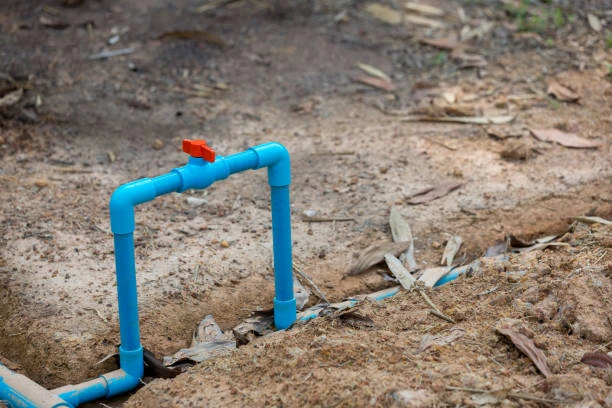
PVC (Polyvinyl Chloride) is one of the most widely used materials in the production of water valves. These valves provide reliable control of water flow in various systems. PVC valves offer many advantages over traditional materials like metals, especially when it comes to corrosion resistance. Corrosion resistance is one of the primary reasons why PVC water valves are in high demand in both residential and industrial applications. This article explores the corrosion resistance of PVC water valves, their benefits, and why they are an essential choice for water systems.
1. Introduction to PVC Water Valves
Water valves are critical components in controlling water flow in pipes. They regulate the flow, pressure, and direction of water in a system. PVC water valves, made from Polyvinyl Chloride, offer excellent resistance to corrosion compared to metal valves. PVC does not rust, corrode, or degrade when exposed to water, unlike metals, which can react with moisture and chemicals.
This resistance to corrosion makes PVC water valves ideal for both drinking water systems and wastewater systems. PVC valves can withstand exposure to water for long periods without deteriorating. Additionally, these valves remain unaffected by the salts, acids, and chemicals often present in water systems.
2. Corrosion Resistance in PVC Material
Corrosion occurs when a material reacts with its environment, leading to material degradation. Metals such as iron, steel, and copper often corrode when exposed to water, oxygen, and other elements. Rust and other forms of corrosion weaken the structure and functionality of the valve, leading to leaks and failures.
PVC, on the other hand, is highly resistant to corrosion. It does not react with water, acids, or salts. This property is one of the reasons why PVC is so widely used in water systems. The chemical structure of PVC creates a barrier that prevents corrosion, ensuring the valve remains functional for an extended period.
3. Benefits of Corrosion Resistance in PVC Water Valves
The corrosion resistance of PVC water valves offers several significant benefits. These benefits contribute to the long-term performance and durability of water systems.
- Increased Longevity: PVC water valves can last much longer than metal valves. The lack of corrosion means that they do not degrade over time. As a result, PVC valves have a longer service life, reducing the need for frequent replacements.
- Improved Reliability: Corrosion can cause metal valves to malfunction, leading to leaks, blockages, or complete failure. PVC valves maintain their structural integrity and continue to operate efficiently. This reliability is especially crucial in applications where uninterrupted water flow is required.
- Mengurangi Biaya Perawatan: The resistance to corrosion means that PVC valves require less maintenance. Metal valves often require cleaning or replacement due to rust and corrosion. PVC valves, however, need minimal upkeep, which helps lower maintenance costs over time.
- Keamanan: Corrosion in metal valves can lead to leaks and contamination of the water supply. PVC water valves eliminate this risk, ensuring clean, uncontaminated water flows through the system.
- Manfaat Lingkungan: Corrosion often leads to the release of harmful metals into the water supply. Since PVC valves do not corrode, they prevent the introduction of toxic substances into the water. This ensures safer and cleaner water for both human consumption and industrial use.
4. The Role of PVC in Corrosion Resistance
PVC’s resistance to corrosion is a result of its unique material properties. PVC is a synthetic plastic polymer with a strong, durable structure. Its molecular composition does not allow for the same type of degradation that metals undergo when exposed to moisture, air, or chemicals.
- Kelembaman Kimia: PVC is chemically inert, meaning it does not react with the substances it comes into contact with. This characteristic helps prevent rust and corrosion, even when exposed to water containing various chemicals or contaminants.
- Smooth Surface: The surface of PVC is smooth and non-porous, making it difficult for dirt, minerals, and bacteria to adhere. This smoothness further helps in preventing the buildup of corrosive substances, unlike metal surfaces, which can trap dirt and promote corrosion.
- Non-Absorbent: PVC does not absorb moisture, which is a key factor in corrosion. The material stays dry on the inside, preventing rust formation. Metal valves, in contrast, can absorb moisture, which accelerates the corrosion process.
5. How PVC Water Valves Perform in Various Environments
PVC water valves excel in various environments due to their corrosion resistance. The material performs well in both fresh and saltwater conditions, making it versatile for numerous applications.
- Freshwater Systems: In freshwater systems, PVC valves maintain their integrity, even when exposed to continuous water flow. Unlike metal valves, PVC does not rust or degrade in these conditions, ensuring that the system remains functional over time.
- Saltwater and Marine Environments: Saltwater is particularly corrosive to metals. Many metals, including steel, iron, and copper, corrode quickly when exposed to saltwater. PVC valves, however, remain unaffected by the presence of salt. This makes them an excellent choice for marine and coastal water systems.
- Wastewater Systems: Wastewater systems often involve exposure to harsh chemicals, acids, and salts. PVC valves handle these challenging conditions without corroding. This makes PVC ideal for sewage treatment, industrial water processing, and chemical handling systems.
- High Humidity Areas: In high-humidity environments, metal valves are prone to rust and corrosion. PVC’s resistance to moisture and humidity prevents corrosion, making it a suitable choice for regions with high moisture levels.
6. Comparison with Other Valve Materials
While PVC valves offer exceptional corrosion resistance, it is helpful to compare their performance with other materials.
- Katup Logam: Metal valves, such as those made from brass, steel, or iron, are more susceptible to corrosion. The presence of water, oxygen, and chemicals causes metal valves to rust and degrade over time. As a result, these valves require more frequent maintenance and replacements.
- Katup Baja Tahan Karat: Stainless steel valves offer better corrosion resistance than other metals but still suffer from rust over time, especially in harsh conditions. PVC, however, outperforms stainless steel in many environments, especially where high acidity or salt is present.
- Brass Valves: Brass valves are often used in plumbing systems but are vulnerable to corrosion when exposed to water over time. PVC, on the other hand, is more durable and cost-effective in long-term use.
7. Applications of PVC Water Valves
The corrosion resistance of PVC water valves makes them ideal for numerous applications, including:
- Pipa saluran air: PVC valves are commonly used in residential and commercial plumbing systems. They ensure clean, safe water flow and are easy to install.
- Irigasi: PVC valves control water flow in agricultural irrigation systems. Their corrosion resistance ensures long-term performance in outdoor environments.
- Pengolahan Air Limbah: PVC valves are essential in wastewater treatment plants. They handle the harsh chemicals and wastewater without corroding, ensuring reliable performance.
- Penggunaan Industri: Many industrial processes involve exposure to corrosive chemicals. PVC valves are used in chemical processing, petrochemical, and pharmaceutical industries because of their resistance to corrosion.
- Marine Systems: PVC valves are widely used in marine systems, such as boats and ships. The corrosion resistance of PVC makes it ideal for seawater exposure.
8. Kesimpulan
The corrosion resistance of PVC water valves makes them a superior choice for water systems. They outperform metal valves in many environments, offering increased longevity, reliability, and safety. PVC valves provide a cost-effective solution with minimal maintenance, making them ideal for residential, industrial, and municipal applications. Their chemical inertness, smooth surface, and durability ensure that water flow remains uninterrupted for many years. The growing use of PVC water valves in various industries reflects their immense benefits, especially in preventing corrosion-related issues.
Standar internasional IFAN
Produk HDPE IFAN mematuhi berbagai standar internasional, yang menjamin kualitas, daya tahan, dan keandalan. Standar-standar ini meliputi ASTM D3035 dan ASTM D3350, yang menetapkan spesifikasi untuk pipa dan material polietilena (PE). Seri ISO 4427 dan EN 12201 menetapkan tolok ukur global untuk pipa PE yang digunakan dalam sistem penyediaan air. Selain itu, DIN 8074/8075 dan GB/T 13663 menetapkan persyaratan kinerja dan dimensi untuk pipa HDPE di pasar Eropa dan Tiongkok. Standar lain yang diakui, seperti AS/NZS 4130 (Australia/Selandia Baru), JIS K6760 (Jepang), BS 6572 (Inggris), dan CSA B137.1 (Kanada), semakin menunjukkan komitmen IFAN untuk memenuhi peraturan industri di seluruh dunia.
Kontak
IFAN adalah produsen profesional dengan pengalaman 30 tahun, yang berdedikasi untuk memproduksi pipa, fitting, dan katup plastik berkualitas tinggi. Produk kami meliputi katup kuningan, katup PPR, serta berbagai pipa dan fitting untuk memenuhi berbagai kebutuhan pelanggan. Baik Anda memerlukan pipa ledeng dan drainase atau produk katup, IFAN dapat menyediakan berbagai macam produk berkualitas tinggi dan hemat biaya untuk mendukung proyek Anda. Berikut adalah informasi kontak kami.
Kami akan membalas email atau faks Anda dalam waktu 24 jam.
Anda dapat menghubungi kami kapan saja jika ada pertanyaan tentang produksi kami.
Untuk informasi lebih lanjut, silakan kunjungi situs web kami https://www.ifanplus.com/
Silakan Kirim Email ke: [email protected]
Telepon Whatsapp: + 86 19857948982























