


Perkenalan
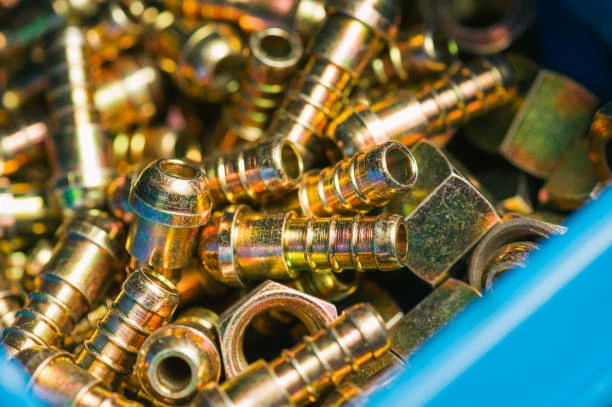
Sambungan pipa kuningan play an essential role in plumbing, industrial, and residential systems. Known for their exceptional strength and reliability, these fittings ensure the durability of fluid and gas transport systems. Among their many advantages, corrosion resistance remains one of the most significant. This article explores the corrosion resistance of brass piping fittings and explains why this property makes them a preferred choice in many applications.
1. Understanding Corrosion in Metal Alloys
Corrosion occurs when metals react with their environment, often resulting in material degradation. Moisture, chemicals, and air can trigger this process. Corrosion reduces a metal’s strength, functionality, and appearance. Different metals and alloys show varying degrees of resistance to corrosion, depending on their composition and structure.
In plumbing and piping systems, corrosion can lead to leaks, contamination, and costly repairs. Choosing corrosion-resistant materials ensures system longevity and safety. Brass, an alloy of copper and zinc, offers natural resistance to corrosion, making it an ideal material for piping fittings.
2. Why Brass Resists Corrosion
2.1 Copper Content and Protective Patina
Copper, a primary component of brass, contributes significantly to its corrosion resistance. When exposed to air and moisture, copper forms a thin oxide layer on its surface. This patina acts as a protective barrier, preventing further oxidation and shielding the underlying material. This natural process allows brass fittings to resist environmental damage effectively.
2.2 Zinc’s Contribution to Corrosion Resistance
Zinc, the other primary component of brass, enhances its mechanical strength. In terms of corrosion resistance, zinc reduces the alloy’s susceptibility to uniform corrosion. Manufacturers often balance the copper-to-zinc ratio to optimize both strength and corrosion resistance. This balance ensures that brass fittings perform well in environments prone to moisture and chemical exposure.
2.3 Additives that Improve Resistance
Other elements, such as tin and lead, can improve brass’s resistance to specific forms of corrosion. Tin increases resistance to marine and saltwater corrosion, while lead enhances machinability. By tailoring the alloy’s composition, manufacturers create brass fittings suited for various environments.
3. Types of Corrosion and Brass’s Performance
3.1 General Corrosion
General corrosion occurs uniformly across a metal’s surface. Brass resists this form of corrosion due to its stable oxide layer. In water supply systems, brass fittings maintain their integrity over time, even when exposed to moisture.
3.2 Dezincification
Dezincification occurs when water or chemicals leach zinc from the brass alloy, leaving behind a porous copper structure. Engineers mitigate this risk by using dezincification-resistant (DZR) brass. DZR brass contains specific additives that prevent zinc loss, ensuring the fittings retain their mechanical strength and durability.
3.3 Pitting Corrosion
Pitting corrosion creates localized damage on a metal’s surface. Brass resists pitting corrosion in most environments, especially in freshwater systems. However, certain factors, such as high chloride concentrations, can increase the risk. Manufacturers recommend using specially formulated brass alloys in such environments.
3.4 Galvanic Corrosion
Galvanic corrosion occurs when two dissimilar metals come into electrical contact in the presence of an electrolyte. Brass shows good resistance to galvanic corrosion when paired with compatible materials. Engineers often use insulating materials or compatible alloys to reduce this risk in mixed-metal systems.
3.5 Stress Corrosion Cracking (SCC)
Stress corrosion cracking involves the combined effects of mechanical stress and corrosive environments. Brass shows limited susceptibility to SCC, especially in environments with ammonia or chlorides. Using low-stress designs and specific brass grades minimizes the likelihood of SCC in piping systems.
4. Environmental Factors and Brass Corrosion Resistance
4.1 Freshwater Environments
Brass performs exceptionally well in freshwater systems. Its natural resistance to general and pitting corrosion ensures long-term reliability. This makes brass fittings ideal for household plumbing and municipal water supply systems.
4.2 Marine and Saltwater Environments
In marine environments, brass encounters harsher conditions due to high salt concentrations. Adding tin to the alloy improves its performance in these settings. Marine-grade brass fittings often resist corrosion effectively, even in prolonged saltwater exposure.
4.3 Chemical Environments
Brass withstands mild acidic and alkaline conditions, making it suitable for chemical processing and industrial applications. However, strong acids or bases can accelerate corrosion. Engineers select specific brass alloys to handle particular chemical exposures.
4.4 High-Humidity Areas
High humidity accelerates the corrosion of many metals. Brass, with its protective oxide layer, remains unaffected in humid conditions. This property makes brass fittings ideal for outdoor and industrial applications in tropical regions.
5. Applications Benefiting from Brass’s Corrosion Resistance
5.1 Plumbing Systems
Plumbing systems rely on brass fittings for their ability to resist corrosion in freshwater and potable water systems. Brass ensures clean water supply without contamination or degradation over time.
5.2 Gas Lines
Gas systems benefit from brass’s corrosion resistance and durability. Brass fittings maintain tight seals and structural integrity, ensuring safe gas transport.
5.3 Heating and Cooling Systems
Heating and cooling systems use brass fittings due to their resistance to moisture and fluctuating temperatures. This ensures reliable performance in HVAC applications.
5.4 Industrial Equipment
Industrial systems use brass fittings in chemical processing, manufacturing, and heavy machinery. The corrosion resistance of brass ensures long-lasting performance under challenging conditions.
5.5 Marine Applications
Marine environments expose fittings to saltwater, a highly corrosive medium. Brass fittings with added tin provide excellent performance in these applications, resisting corrosion while maintaining strength.
6. Enhancing Brass’s Corrosion Resistance
6.1 Surface Treatments
Coatings, such as nickel plating, improve brass fittings’ corrosion resistance. These treatments provide an additional protective barrier, enhancing performance in harsh environments.
6.2 Alloy Modifications
Manufacturers adjust brass alloy compositions to enhance specific properties. Dezincification-resistant brass and marine-grade alloys address unique challenges, such as high chloride exposure or water with aggressive properties.
6.3 Proper Maintenance
Regular cleaning and inspection prolong the life of brass fittings. Removing dirt, chemical residues, and other contaminants prevents localized corrosion and maintains the fittings’ protective patina.
7. Comparing Brass to Other Materials
7.1 Brass vs. Stainless Steel
Stainless steel offers higher resistance to certain types of corrosion, such as pitting in saltwater. However, brass provides easier machinability and a lower cost, making it a preferred choice in many applications.
7.2 Brass vs. Copper
Copper provides excellent corrosion resistance but lacks the strength and durability of brass. Brass combines copper’s resistance with improved mechanical properties, offering a balanced solution.
7.3 Brass vs. Plastic
Plastic fittings resist corrosion but lack the strength and heat resistance of brass. Brass fittings handle high pressures and temperatures, making them more versatile.
8. Sustainability and Corrosion Resistance
Brass, being recyclable, contributes to sustainable practices. Its corrosion resistance extends the lifespan of fittings, reducing waste and minimizing the need for frequent replacements. Recyclability ensures that used brass fittings can be repurposed, further supporting environmental conservation.
9. Conclusion
Brass piping fittings excel in corrosion resistance, making them a reliable choice for various systems. Their ability to withstand moisture, chemicals, and environmental stress ensures durability and performance. From plumbing and gas systems to marine and industrial applications, brass fittings deliver exceptional results. Engineers and manufacturers trust brass for its strength, versatility, and natural resistance to degradation.
Understanding the factors that contribute to brass’s corrosion resistance allows for informed material selection. Proper maintenance, surface treatments, and alloy modifications further enhance this property, ensuring brass fittings meet the demands of modern systems. By choosing brass piping fittings, industries benefit from a cost-effective, long-lasting, and sustainable solution.
Daftar Pemasok Teratas
| Nama perusahaan | Lokasi | Tahun Pengalaman | Sertifikat |
| JIKA | Zhuji, Tiongkok | 1993 | sertifikasi ISO |
| Solusi Rekayasa ASC | Amerika Serikat | 2019 | sertifikasi ISO |
| Pabrik Presisi Patel | India | lebih dari 21 tahun | sertifikasi ISO |
| PERUSAHAAN KATUP MERAH PUTIH | Amerika Serikat | 1971 | sertifikasi ISO |
| Kontrol Aliran SVF | Amerika Serikat | 1988 | sertifikasi ISO |
| Soval | Amerika Serikat | 1971 | sertifikasi ISO |
Standar internasional IFAN
Produk IFAN mematuhi berbagai standar internasional, yang menjamin kualitas, keandalan, dan kesesuaiannya untuk berbagai aplikasi di seluruh dunia. Standar-standar ini mencakup ASTM D3035, ASTM D3350, standar Seri ISO 4427, standar Seri EN 12201, DIN 8074/8075, standar Seri GB/T 13663, AS/NZS 4130, JIS K6760, BS 6572, dan CSA B137.1, dan lain-lain. Kepatuhan terhadap standar-standar ini menjamin bahwa produk IFAN memenuhi persyaratan ketat untuk keselamatan, kinerja, dan daya tahan di berbagai industri dan pasar.
Kontak
IFAN adalah produsen profesional dengan pengalaman 30 tahun, yang berdedikasi untuk memproduksi pipa, fitting, dan katup plastik berkualitas tinggi. Produk kami meliputi katup kuningan, katup PPR, serta berbagai pipa dan fitting untuk memenuhi berbagai kebutuhan pelanggan. Baik Anda memerlukan pipa ledeng dan drainase atau produk katup, IFAN dapat menyediakan berbagai macam produk berkualitas tinggi dan hemat biaya untuk mendukung proyek Anda. Berikut adalah informasi kontak kami.
Kami akan membalas email atau faks Anda dalam waktu 24 jam.
Anda dapat menghubungi kami kapan saja jika ada pertanyaan tentang produksi kami.
Untuk informasi lebih lanjut, silakan kunjungi situs web kami https://www.ifanplus.com/
Silakan Kirim Email ke: [email protected]
Telepon Whatsapp: + 86 19857948982























