


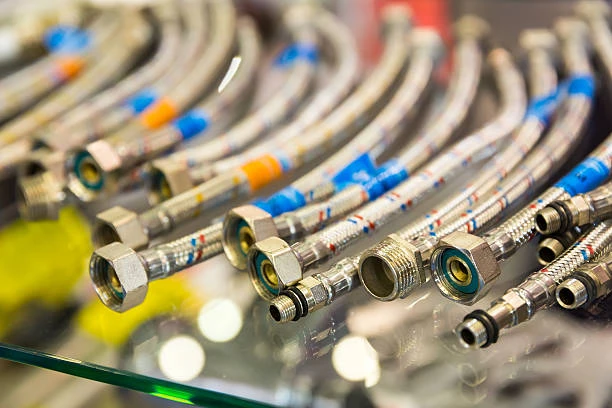
Flex pipe Teknologi pipa fleksibel menawarkan solusi berkelanjutan untuk tantangan infrastruktur modern. Fleksibilitas, daya tahan, dan kemampuan adaptasinya berkontribusi untuk mengurangi dampak lingkungan di berbagai industri. Dengan berfokus pada bahan yang ramah lingkungan, desain hemat energi, dan strategi pengurangan limbah, pipa fleksibel memberikan keuntungan lingkungan yang signifikan. Artikel ini membahas bagaimana pipa fleksibel mendukung keberlanjutan dan mengapa pipa fleksibel merupakan pilihan yang lebih ramah lingkungan.
Resource Efficiency in Flex Pipe Production
Flex pipe production uses advanced materials and manufacturing techniques to minimize resource consumption. Many manufacturers select lightweight yet durable materials, such as composite polymers or stainless steel, to reduce the need for excessive raw materials. This approach lowers energy consumption during production and transportation.
Innovative production methods, such as extrusion and automated assembly, streamline manufacturing processes. These methods reduce waste, limit emissions, and improve energy efficiency. Companies adopting renewable energy sources, such as solar or wind power, in their manufacturing plants further enhance the environmental benefits of flex pipe production.
Longevity Reduces Waste
The durability of flex pipes extends their lifespan, reducing the frequency of replacements and the amount of waste generated. Designed to resist corrosion, wear, and extreme temperatures, flex pipes handle challenging environments with ease.
For example, flex pipes used in plumbing systems remain functional for decades, eliminating the need for frequent maintenance or replacement. In industrial applications, their ability to withstand high pressures and chemicals ensures long-term reliability. By reducing the waste associated with pipe failures, flex pipes contribute to a more sustainable future.
Lower Carbon Footprint During Transportation
Flex pipes often weigh less than rigid alternatives, making them easier to transport. This reduced weight lowers fuel consumption during shipping, decreasing carbon dioxide emissions. Flexible designs also allow manufacturers to package pipes efficiently, maximizing space in transport vehicles and further reducing environmental impact.
Local production facilities enhance these benefits by minimizing transportation distances. Companies with regional manufacturing hubs can serve nearby markets while cutting emissions associated with long-distance shipping.
Flexibility Supports Resource Conservation
Flex pipes adapt to various applications and configurations, reducing the need for additional materials and energy-intensive installations. Their flexibility allows engineers to create efficient systems with fewer fittings, connections, or reinforcements.
In plumbing systems, flex pipes bend around obstacles and eliminate the need for excessive cutting or jointing. This adaptability conserves resources and reduces waste during installation. In construction projects, flex pipes simplify complex layouts, ensuring efficient use of materials without compromising functionality.
Water Conservation Through Leak Prevention
Water loss due to leaks poses a significant environmental challenge. Flex pipes address this issue with their superior sealing properties and resistance to cracking or bursting. Their flexibility allows them to absorb pressure changes without compromising structural integrity.
In municipal water supply systems, flex pipes prevent leakage, conserving valuable water resources. In agricultural irrigation systems, they ensure precise water delivery, reducing waste and improving efficiency. These benefits directly support efforts to combat water scarcity and promote sustainable resource use.
Applications in Renewable Energy Systems
Flex pipes play a crucial role in renewable energy systems, such as solar and wind installations. Their ability to handle dynamic movements and temperature variations enhances the efficiency of these systems.
In solar thermal systems, flex pipes transport heat-transfer fluids efficiently, minimizing energy loss. Their durability ensures consistent performance, even under high temperatures and UV exposure.
Wind energy systems rely on flex pipes in hydraulic mechanisms to manage turbine movements. Their lightweight and corrosion-resistant properties improve reliability and extend system lifespan, reducing waste and maintenance needs.
Eco-Friendly Materials and Recycling
Many manufacturers prioritize eco-friendly materials in flex pipe production. Recycled polymers, biodegradable materials, and low-impact metals contribute to a smaller environmental footprint.
Recyclability remains a key advantage of flex pipes. At the end of their lifecycle, many flex pipes can undergo recycling processes to recover valuable materials. This practice reduces landfill waste and conserves natural resources. Some companies implement take-back programs to ensure proper recycling and disposal, promoting a circular economy.
Energy Savings in System Operation
Flex pipes enhance energy efficiency in various systems by minimizing resistance and optimizing flow. Their smooth internal surfaces reduce friction, allowing fluids or gases to move with less energy input.
In HVAC systems, flex pipes improve air circulation and temperature regulation, reducing energy consumption. In industrial processes, they ensure efficient fluid transport, supporting efforts to lower operational costs and carbon emissions.
These energy savings align with global sustainability goals, helping industries reduce their environmental impact while maintaining productivity.
Compliance with Environmental Standards
Flex pipes align with stringent environmental standards, making them a preferred choice for green building projects and eco-conscious industries. Certifications such as LEED (Leadership in Energy and Environmental Design) often recognize the benefits of flex pipes in sustainable construction.
Municipalities and regulatory bodies support the use of environmentally friendly piping solutions by setting guidelines for material selection, energy efficiency, and water conservation. Flex pipes meet these criteria, offering industries an opportunity to achieve compliance while promoting sustainability.
Tantangan dan Peluang
While flex pipes offer significant environmental benefits, challenges remain in promoting their widespread adoption. Higher upfront costs, compared to traditional pipes, may deter some users. However, their long-term savings and reduced environmental impact justify the investment.
Public awareness of the environmental advantages of flex pipes continues to grow. Educational campaigns and industry collaborations can further highlight their role in sustainability. Governments and organizations offering incentives for eco-friendly infrastructure projects create opportunities for flex pipe adoption.
Future Innovations in Sustainable Flex Pipe Technology
Advancements in flex pipe technology continue to focus on sustainability. Researchers develop next-generation materials that combine strength, flexibility, and biodegradability. These materials aim to further reduce the environmental footprint of flex pipes.
Smart technologies integrated into flex pipes provide real-time monitoring and predictive maintenance. These features enhance system efficiency, reduce resource wastage, and lower environmental impact.
Additive manufacturing, such as 3D printing, optimizes production processes, reducing waste and energy use. Companies adopting these techniques lead the way in sustainable manufacturing practices.
Kesimpulan
Flex pipes support environmental sustainability through efficient production, long-lasting performance, and resource conservation. Their adaptability, durability, and compatibility with eco-friendly materials make them a vital component of green infrastructure solutions. As industries continue to prioritize sustainability, flex pipes will play an increasingly significant role in shaping a cleaner, more sustainable future. By embracing innovation and promoting awareness, the flex pipe industry ensures its contribution to global environmental efforts.
Standar internasional IFAN
Standar IFAN mencakup berbagai sertifikasi dan spesifikasi internasional seperti ASTM 2846, DIN 8079/8080, ASTM F441/F441M SCH80, DIN, seri GB/T 18993, AS/NZS 1477, CSA B137.6, NSF/ANSI 14, dan TIS 17-2532/1131-2535, dan lain-lain. Standar-standar ini memastikan kualitas, keamanan, dan keandalan produk, yang sejalan dengan persyaratan manufaktur dan kinerja global. Dengan mematuhi standar-standar ini, IFAN menjamin bahwa produk-produknya memenuhi tolok ukur industri yang ketat, yang memastikan kepuasan pelanggan dan kepatuhan terhadap pedoman peraturan di berbagai wilayah.
Kontak
IFAN adalah produsen profesional dengan pengalaman 30 tahun, yang berdedikasi untuk memproduksi pipa, fitting, dan katup plastik berkualitas tinggi. Produk kami meliputi katup kuningan, katup PPR, serta berbagai pipa dan fitting untuk memenuhi berbagai kebutuhan pelanggan. Baik Anda memerlukan pipa ledeng dan drainase atau produk katup, IFAN dapat menyediakan berbagai macam produk berkualitas tinggi dan hemat biaya untuk mendukung proyek Anda. Berikut adalah informasi kontak kami.
Kami akan membalas email atau faks Anda dalam waktu 24 jam.
Anda dapat menghubungi kami kapan saja jika ada pertanyaan tentang produksi kami.
Untuk informasi lebih lanjut, silakan kunjungi situs web kami https://www.ifanplus.com/
Silakan Kirim Email ke: [email protected]
Telepon Whatsapp: + 86 19857948982























