


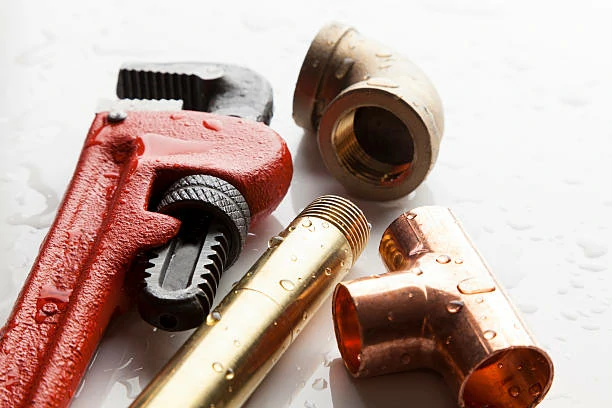
Brass tube fittings have long been a staple in various industries due to their durability, corrosion resistance, and excellent machinability. However, as technology and industry needs evolve, the research and development (R&D) of brass tube fittings have also advanced to meet new challenges. This article explores the current trends, challenges, and innovations in the R&D of brass tube fittings, highlighting the importance of material science, manufacturing techniques, environmental considerations, and customization.
Importance of Material Science
The development of brass tube fittings starts with understanding the properties of brass as a material. Brass, an alloy primarily composed of copper and zinc, offers a balance of strength, corrosion resistance, and workability. However, R&D efforts focus on enhancing these properties to meet the specific demands of various applications.
- Komposisi Paduan: Researchers continuously experiment with alloy compositions to improve the performance of brass tube fittings. By adjusting the ratio of copper to zinc or adding other elements like tin, aluminum, or lead, scientists can create alloys that offer improved corrosion resistance, tensile strength, or machinability. For instance, adding tin enhances corrosion resistance, making the fittings more suitable for marine or corrosive environments. These advancements ensure that brass tube fittings remain reliable in increasingly demanding applications.
- Lead-Free Alloys: The push for lead-free brass alloys represents a significant focus in material science research. Traditional brass alloys often contain small amounts of lead to improve machinability, but health and environmental concerns have driven the development of lead-free alternatives. Researchers have developed new alloy formulations that maintain the desirable properties of brass while eliminating the need for lead. These lead-free alloys comply with stringent regulations, especially in applications involving drinking water and food processing, where safety remains paramount.
- Surface Treatments: Beyond the base alloy, surface treatments play a critical role in enhancing the performance of brass tube fittings. R&D in this area focuses on developing coatings and treatments that improve corrosion resistance, reduce friction, or enhance the aesthetic appeal of the fittings. For example, nickel or chrome plating can provide a protective barrier against corrosion while offering a polished finish. Additionally, new surface treatment technologies aim to reduce environmental impact by minimizing the use of hazardous chemicals in the coating process.
Advancements in Manufacturing Techniques
The manufacturing process for brass tube fittings has seen significant advancements in recent years, driven by the need for precision, efficiency, and sustainability. R&D in this area focuses on refining production methods and incorporating new technologies.
- Precision Machining: Precision remains critical in the production of brass tube fittings, especially for applications requiring tight tolerances. Advanced CNC (Computer Numerical Control) machining technologies allow manufacturers to achieve high levels of accuracy and consistency in their products. R&D efforts in this area explore ways to improve the speed and efficiency of CNC machining while maintaining or enhancing the quality of the final product. This focus on precision ensures that brass tube fittings perform reliably in applications ranging from plumbing to aerospace.
- Additive Manufacturing: Also known as 3D printing, additive manufacturing represents a groundbreaking approach in the R&D of brass tube fittings. While traditionally used for prototyping, recent advancements have made additive manufacturing a viable option for producing custom or complex fittings in small batches. Researchers are exploring the potential of additive manufacturing to reduce material waste, shorten production times, and allow for greater design flexibility. This technology proves especially valuable in creating fittings with intricate geometries or internal channels that would be difficult or impossible to produce using traditional methods.
- Sustainability in Manufacturing: Environmental considerations drive much of the R&D in brass tube fittings manufacturing. Researchers seek to reduce the environmental footprint of production processes by developing more energy-efficient methods, minimizing waste, and using recycled materials. For instance, advancements in machining techniques have led to reduced material waste by optimizing the cutting and shaping processes. Additionally, the use of recycled brass in the production of new fittings reduces the demand for virgin materials, aligning with broader sustainability goals.
Pertimbangan Lingkungan
The environmental impact of brass tube fittings has become a significant concern, influencing R&D efforts across the industry. As regulations tighten and consumers demand more sustainable products, manufacturers and researchers alike focus on developing fittings that meet these expectations.
- Reduction of Hazardous Materials: One of the primary environmental concerns in brass fittings is the use of hazardous materials, particularly lead. R&D in this area aims to eliminate or reduce the use of such materials without compromising the performance of the fittings. Lead-free alloys and environmentally friendly surface treatments represent key areas of focus. Researchers are also exploring alternative materials that could replace brass in certain applications, particularly in industries with stringent environmental regulations.
- Efisiensi Energi dalam Produksi: Reducing the energy consumption of manufacturing processes remains a critical goal in the R&D of brass tube fittings. Researchers are exploring new technologies and methods to make production more energy-efficient. This includes the development of low-temperature forging and casting techniques, as well as the optimization of machining processes to reduce energy use. By lowering the energy requirements of production, manufacturers can reduce their carbon footprint and contribute to broader environmental sustainability goals.
- Lifecycle Analysis and Recycling: Understanding the full environmental impact of brass tube fittings requires a comprehensive lifecycle analysis, from raw material extraction to end-of-life disposal. R&D efforts increasingly focus on extending the lifespan of fittings through improved materials and designs, as well as facilitating recycling at the end of their useful life. Researchers are also exploring ways to enhance the recyclability of brass fittings by developing alloys and surface treatments that simplify the recycling process.
Customization and Performance Optimization
The demand for customized solutions drives much of the R&D in brass tube fittings. Industries such as automotive, aerospace, and industrial manufacturing require fittings tailored to their specific needs, leading to significant advancements in design and performance optimization.
- Design Flexibility: Customization has become a major trend in the brass fittings industry, with R&D efforts focused on developing technologies that allow for greater design flexibility. Additive manufacturing, as mentioned earlier, plays a key role in this trend by enabling the production of custom fittings with complex geometries. Additionally, advancements in CNC machining and other manufacturing technologies have made it easier to produce small batches of custom fittings without prohibitive costs. This flexibility allows manufacturers to offer solutions that meet the exact specifications of their customers, enhancing the overall performance of the systems in which the fittings are used.
- Performance-Driven Research: R&D in brass tube fittings increasingly focuses on optimizing performance for specific applications. This involves enhancing properties such as pressure tolerance, temperature resistance, and flow efficiency. For example, in the HVAC industry, fittings designed to minimize pressure drop and improve energy efficiency have become highly sought after. Researchers are also exploring ways to improve the durability of fittings in extreme environments, such as those found in the oil and gas or chemical processing industries. By tailoring the design and material properties of fittings to meet specific performance criteria, manufacturers can provide solutions that offer greater reliability and efficiency.
Future Directions in R&D
The R&D of brass tube fittings continues to evolve in response to changing industry needs and technological advancements. As new challenges and opportunities arise, researchers will focus on several key areas:
- Advanced Materials: The development of new materials that offer improved performance while meeting environmental and regulatory requirements will remain a priority. This includes the continued exploration of lead-free alloys, as well as the potential for alternative materials that could replace brass in certain applications.
- Manufaktur Berkelanjutan: As sustainability becomes increasingly important, R&D will focus on further reducing the environmental impact of brass fittings production. This includes efforts to improve energy efficiency, reduce waste, and increase the use of recycled materials.
- Smart Fittings: The integration of smart technologies into brass fittings represents a promising area of research. Future developments could lead to fittings that not only connect systems but also monitor and optimize their performance, contributing to greater efficiency and reliability.
- Customization and Performance: The demand for customized solutions will continue to drive R&D in brass tube fittings. Researchers will explore new ways to enhance design flexibility and optimize the performance of fittings for specific applications.
As these trends continue to shape the industry, the R&D of brass tube fittings will play a crucial role in ensuring that these components remain reliable, efficient, and sustainable. By staying ahead of these trends, manufacturers can continue to meet the evolving needs of their customers while contributing to a more sustainable and innovative future.
Standar IFAN
IFAN menyediakan produk yang mematuhi berbagai standar internasional, termasuk ISO 15875, GB/T 18992, DIN 16892, ASTM F877, ASTM F2788, BS 7291, BS EN ISO 15875, dan CSA B137. Standar-standar ini memastikan bahwa produk IFAN memenuhi persyaratan kualitas dan keamanan tertinggi untuk berbagai aplikasi. Dengan mematuhi standar yang ketat ini, IFAN menjamin keandalan dan kinerja produknya di berbagai pasar global.
Kontak
JIKA adalah produsen profesional dengan pengalaman 30 tahun, yang didedikasikan untuk memproduksi pipa, fitting, dan katup plastik berkualitas tinggi. Produk kami meliputi katup kuningan, katup PPR, serta berbagai pipa dan fitting untuk memenuhi berbagai kebutuhan pelanggan. Baik Anda membutuhkan pipa ledeng dan drainase atau produk katup, JIKA dapat menyediakan berbagai macam produk berkualitas tinggi dan hemat biaya untuk mendukung proyek Anda. Berikut adalah informasi kontak kami.
Kami akan membalas email atau faks Anda dalam waktu 24 jam.
Anda dapat menghubungi kami kapan saja jika ada pertanyaan tentang produksi kami.
Untuk informasi lebih lanjut, silakan kunjungi situs web kami https://www.ifanplus.com/
Silakan Kirim Email ke: [email protected]
Telepon Whatsapp: + 86 19857948982























