


Perkenalan:
Proper installation of PPR pipe fittings is vital for efficient, reliable plumbing systems. This article delves into the methods and techniques for installing PPR fittings, from preparation to final inspection.
Persiapan dan Perencanaan:
Assessing the Plumbing System:
Before beginning the installation process, it’s essential to assess the layout and design of the plumbing system. This includes identifying the location of pipes, fittings, fixtures, and any potential obstacles or challenges that may impact installation.
- Conduct a thorough inspection of the plumbing system to determine the type and size of PPR pipe fittings required for the project.
- Take accurate measurements of pipe lengths, angles, and connections to ensure proper fitting and alignment during installation.
Gathering Tools and Materials:
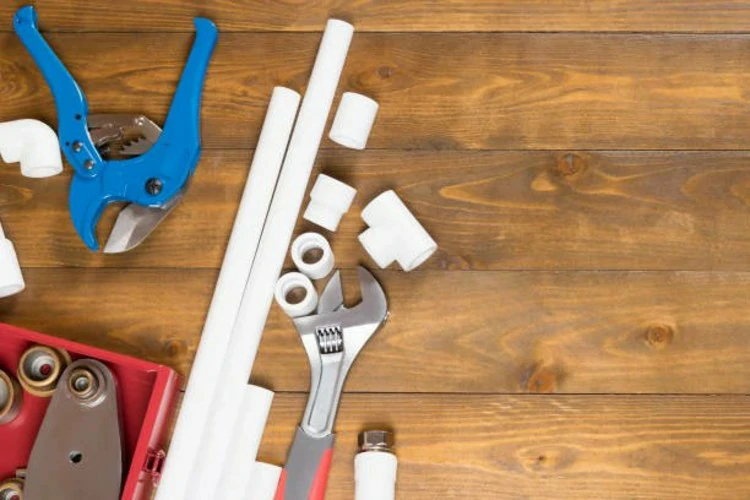
Once the plumbing system has been assessed, gather all the necessary tools and materials needed for the installation process. This includes PPR pipes, fittings, cutting tools, welding equipment, and safety gear.
- Ensure that all tools and materials are of high quality and suitable for use with PPR pipe fittings.
- Consider investing in specialized tools such as fusion welding machines and pipe cutters to facilitate the installation process and ensure precision and accuracy.
Teknik Instalasi:
Fusion Welding Method:
Fusion welding is the primary method for joining PPR pipes and fittings, ensuring robust, leak-proof connections. It entails heating the pipe and fitting surfaces to their melting point and pressing them together to form a bond.
- Clean the surfaces of the PPR pipes and fittings to remove any dirt, debris, or contaminants that may interfere with the welding process.
- Use a fusion welding machine to heat the pipe and fitting surfaces evenly until they reach the desired temperature, typically between 260°C to 280°C (500°F to 536°F).
- Press the heated surfaces together firmly to create a seamless bond, holding them in place until the joint cools and solidifies.
Mechanical Jointing Method:
Mechanical jointing is an alternative method used to connect PPR pipes and fittings using mechanical couplings or compression fittings. This method does not require heat or welding equipment, making it suitable for small-scale installations or repairs.
- Select the appropriate mechanical coupling or compression fitting based on the size and type of PPR pipes being joined.
- Insert the pipe into the fitting or coupling, ensuring a snug and secure fit.
- Use a wrench or spanner to tighten the coupling or fitting securely, ensuring a leak-proof connection.
Final Inspection and Testing:
Inspeksi Visual:
Once the installation is complete, conduct a visual inspection of all PPR pipe fittings to ensure they are properly aligned, seated, and securely connected. Look for any signs of damage, leaks, or misalignment that may require correction.
- Check for proper alignment and positioning of PPR pipes and fittings, ensuring they follow the intended layout and design of the plumbing system.
- Inspect weld seams and joints for any signs of irregularities or defects, such as cracks, gaps, or incomplete fusion.
Pengujian Tekanan:
After visual inspection, conduct a pressure test on the plumbing system to verify the integrity of PPR pipe fittings. Pressurize the system with water or air to a set level and monitor for pressure drops or fluctuations.
- Gunakan pompa atau pengukur pengujian tekanan untuk memberi tekanan pada sistem perpipaan ke tekanan uji yang ditentukan, biasanya antara 1,5 hingga 2 kali tekanan operasi maksimum.
- Monitor the pressure gauge for any signs of pressure loss or fluctuations over a set period, indicating the presence of leaks or defects in PPR pipe fittings.
- If any leaks or defects are detected during pressure testing, identify and rectify the issues promptly to ensure the integrity and reliability of the plumbing system.
Kesimpulan:
Proper installation of PPR pipe fittings is crucial for efficient, reliable, and leak-free plumbing systems. By following the steps outlined in this guide, including preparation, installation techniques, and final inspection, plumbers can ensure successful installations. Whether using fusion welding or mechanical jointing, attention to detail and best practices are essential for optimal, long-term performance.
Kontak
JIKA adalah produsen profesional dengan pengalaman 30 tahun, yang didedikasikan untuk memproduksi pipa, fitting, dan katup plastik berkualitas tinggi. Produk kami meliputi katup kuningan, katup PPR, serta berbagai pipa dan fitting untuk memenuhi berbagai kebutuhan pelanggan. Baik Anda membutuhkan pipa ledeng dan drainase atau produk katup, JIKA dapat menyediakan berbagai macam produk berkualitas tinggi dan hemat biaya untuk mendukung proyek Anda. Berikut adalah informasi kontak kami.
Kami akan membalas email atau faks Anda dalam waktu 24 jam.
Anda dapat menghubungi kami kapan saja jika ada pertanyaan tentang produksi kami.
Untuk informasi lebih lanjut, silakan kunjungi situs web kami https://www.ifanplus.com/
Silakan Kirim Email ke: [email protected]























