


Perkenalan
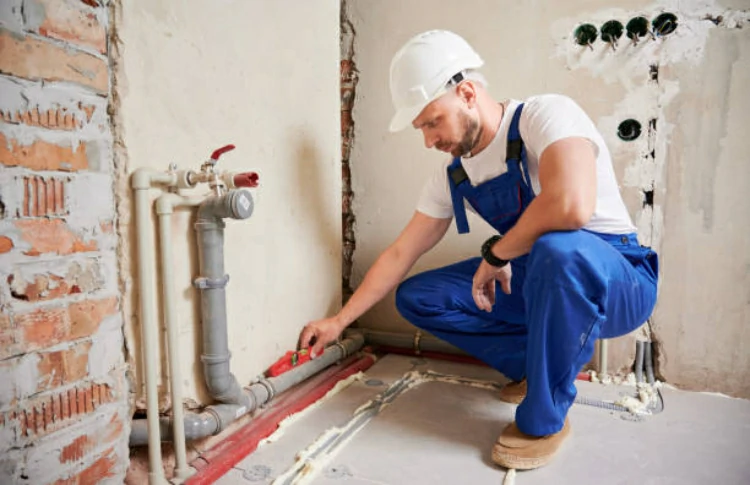
Installing UPVC (Unplasticized Polyvinyl Chloride) plumbing pipes requires careful planning, precise measurements, and adherence to industry standards. In this article, we’ll explore various methods for installing UPVC plumbing pipes, covering both residential and commercial applications. From preparation and layout to jointing techniques and testing, proper installation ensures the longevity and efficiency of UPVC plumbing systems.
1. Preparation and Planning
1.1 Site Assessment
Before beginning the installation process, conduct a thorough site assessment to determine the layout and requirements of the plumbing system. Identify the locations of fixtures, appliances, and access points to plan the pipe routes accordingly. Consider factors such as building codes, regulations, and environmental conditions that may impact the installation process.
1.2 Material Acquisition
Acquire the necessary UPVC pipes, fittings, and accessories from a reputable supplier or manufacturer. Ensure that the materials meet the required specifications and standards for the intended application. Verify the dimensions, pressure ratings, and compatibility of the pipes and fittings to avoid compatibility issues during installation.
1.3 Tools and Equipment
Gather the tools and equipment needed for the installation, including pipe cutters, deburring tools, solvent cement, primer, measuring tape, and marking tools. Use quality tools that are suitable for working with UPVC pipes and ensure safety precautions are followed throughout the installation process.
2. Installation Techniques
2.1 Pipe Routing and Layout
Plan the routing of UPVC pipes to optimize flow efficiency and minimize the use of fittings and joints. Lay out the pipes according to the site assessment, taking into account the shortest and most direct routes between fixtures and distribution points. Maintain proper slope and alignment to ensure proper drainage and prevent blockages.
2.2 Jointing Methods
UPVC pipes are typically joined using solvent cement or adhesive bonding methods. Ensure that the pipe ends are clean, smooth, and free from dirt, moisture, and debris before applying solvent cement. Follow the manufacturer’s instructions for solvent cement application, priming, and curing times to achieve strong and leak-free joints.
2.3 Support and Bracing
Properly support and brace UPVC pipes to prevent sagging, misalignment, and stress on joints and fittings. Use pipe hangers, straps, and clamps to secure the pipes at regular intervals, following the manufacturer’s recommendations for spacing and support requirements. Ensure that the pipes are adequately supported to withstand thermal expansion and contraction.
3. Testing and Inspection
3.1 Pressure Testing
After completing the installation, perform a pressure test to verify the integrity and leak-tightness of the UPVC plumbing system. Pressurize the system to the specified test pressure and monitor for any pressure drop over a specified duration. Inspect all joints, fittings, and connections for signs of leaks or defects and make any necessary repairs or adjustments.
3.2 Compliance and Certification
Ensure that the UPVC plumbing installation complies with local building codes, regulations, and industry standards. Obtain any required permits and inspections from relevant authorities to certify the installation’s compliance with safety and quality requirements. Keep detailed records of the installation process, including material specifications, test results, and inspection reports, for future reference.
Kesimpulan
Proper installation of UPVC plumbing pipes is essential for ensuring the reliability, efficiency, and longevity of plumbing systems in residential, commercial, and industrial applications. By following the recommended installation methods, including thorough preparation, precise routing, correct jointing techniques, and thorough testing, plumbing professionals can create durable and leak-free UPVC plumbing systems that meet the needs of their clients and comply with industry standards.
Kontak
JIKA adalah produsen profesional dengan pengalaman 30 tahun, yang didedikasikan untuk memproduksi pipa, fitting, dan katup plastik berkualitas tinggi. Produk kami meliputi katup kuningan, katup PPR, serta berbagai pipa dan fitting untuk memenuhi berbagai kebutuhan pelanggan. Baik Anda membutuhkan pipa ledeng dan drainase atau produk katup, JIKA dapat menyediakan berbagai macam produk berkualitas tinggi dan hemat biaya untuk mendukung proyek Anda. Berikut adalah informasi kontak kami.
Kami akan membalas email atau faks Anda dalam waktu 24 jam.
Anda dapat menghubungi kami kapan saja jika ada pertanyaan tentang produksi kami.
Untuk informasi lebih lanjut, silakan kunjungi situs web kami https://www.ifanplus.com/
Silakan Kirim Email ke: [email protected]























