


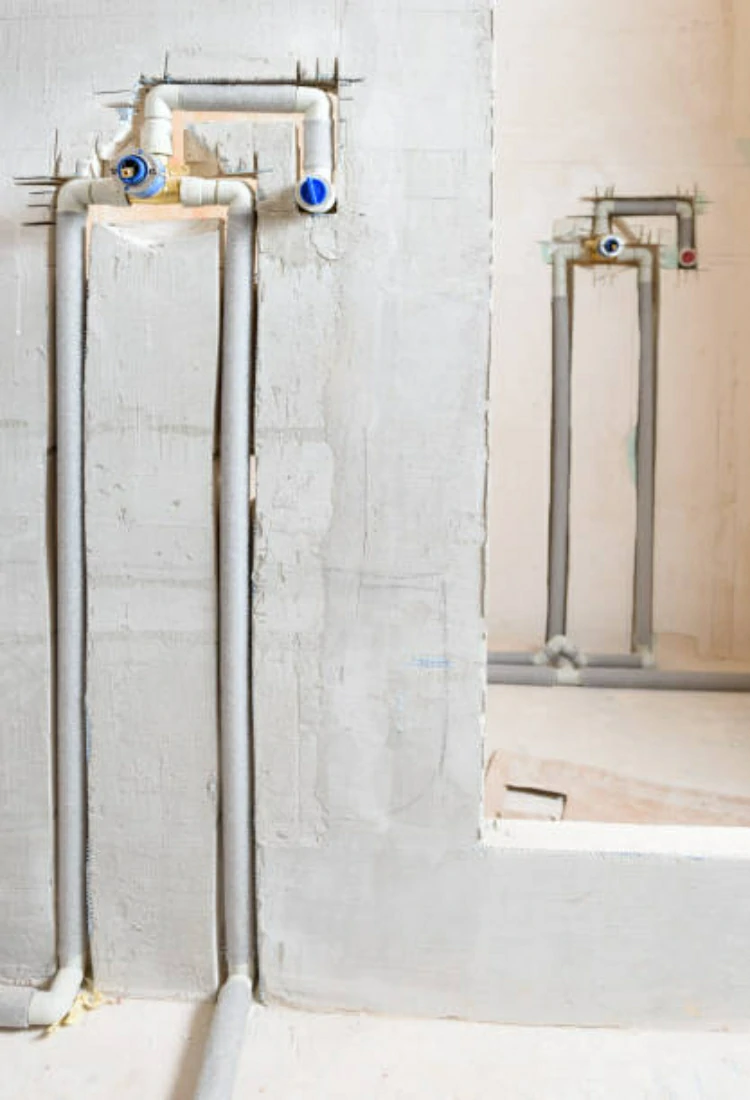
PPR pipes, abbreviated from Polypropylene Random Copolymer pipes, undergo a meticulous production process to ensure high quality and reliability. Let’s delve into the intricate details of crafting PPR pipes, from the raw materials to the finished product.
Pemilihan Bahan Baku
The production of PPR pipes starts with carefully selecting raw materials. Manufacturers choose high-quality Polypropylene Random Copolymer resin for its excellent mechanical properties, chemical resistance, and heat stability. Before further processing, the raw material undergoes thorough testing and quality checks to ensure consistency and purity.
Proses Polimerisasi
In the manufacturing of PPR pipes, the raw Polypropylene Random Copolymer resin undergoes a polymerization process to create the polymer matrix essential for the pipes. During polymerization, controlled conditions, usually involving high temperature and pressure, combine monomers to form long molecular chains. This process yields the desired properties of the polymer, including strength, flexibility, and resistance to heat and chemicals.
Extrusion and Molding
Upon obtaining the polymer matrix, it undergoes extrusion molding to shape it into the desired pipe form. During this process, the molten polymer is forced through a die of the desired shape and size. As it traverses the die, it cools and solidifies, thus forming the PPR pipe. Various techniques, such as co-extrusion and multilayer extrusion, enable the creation of pipes with specific properties, such as enhanced durability or UV resistance.
Kontrol Kualitas dan Pengujian
During the production process, manufacturers enforce strict quality control measures to guarantee that PPR pipes conform to the required standards and specifications. Samples from every batch of pipes undergo rigorous testing for parameters like dimensional accuracy, mechanical strength, chemical resistance, and overall performance. Any pipes that do not meet the specified criteria are discarded, ensuring that only high-quality products are available in the market.
Finishing and Packaging
Once the PPR pipes pass the quality control tests, they undergo finishing processes such as cutting, shaping, and marking to prepare them for use. The pipes are then carefully packaged to protect them from damage during transportation and storage. Packaging may include bundling, wrapping, or boxing, depending on the size and quantity of the pipes.
Kesimpulan
The production of PPR pipes involves a series of precise steps, from raw material selection to final packaging, to ensure the highest quality and performance standards. By understanding the intricacies of the production process, consumers can have confidence in the reliability and durability of PPR pipes for various plumbing applications.
Kontak
JIKA adalah produsen profesional dengan pengalaman 30 tahun, yang didedikasikan untuk memproduksi pipa, fitting, dan katup plastik berkualitas tinggi. Produk kami meliputi katup kuningan, katup PPR, serta berbagai pipa dan fitting untuk memenuhi berbagai kebutuhan pelanggan. Baik Anda membutuhkan pipa ledeng dan drainase atau produk katup, JIKA dapat menyediakan berbagai macam produk berkualitas tinggi dan hemat biaya untuk mendukung proyek Anda. Berikut adalah informasi kontak kami.
Kami akan membalas email atau faks Anda dalam waktu 24 jam.
Anda dapat menghubungi kami kapan saja jika ada pertanyaan tentang produksi kami.
Untuk informasi lebih lanjut, silakan kunjungi situs web kami https://www.ifanplus.com/
Silakan Kirim Email ke: [email protected]























