


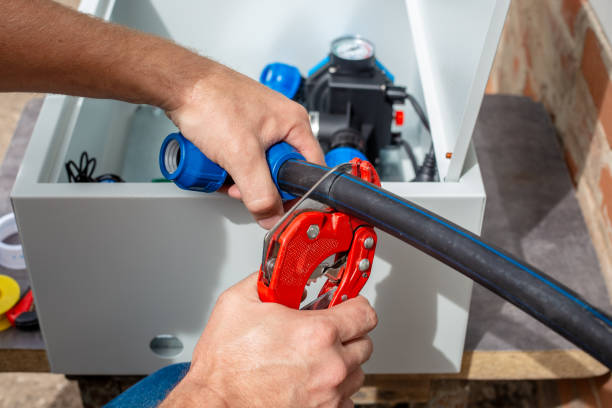
Efficient irrigation is the backbone of successful farming. If you want your crops to grow healthy and yield well, the irrigation system you choose matters a lot. HDPE sprinkler pipe has become one of the most popular choices among farmers worldwide because it offers reliability, durability, and ease of use. In this article, we will explore everything you need to know about HDPE sprinkler pipes, including their characteristics, common uses, installation tips, and how they compare with other types of irrigation pipes. Whether you are starting a new farm or upgrading your irrigation system, this guide will help you make an informed decision.
Foire aux questions (FAQ)
1. What is HDPE sprinkler pipe made of?
HDPE sprinkler pipes are made of high-density polyethylene, a type of plastic that is tough, flexible, and resistant to chemicals. This material ensures the pipes last long and handle high water pressure without cracking or leaking.
2. Why should I choose HDPE sprinkler pipe over PVC pipes?
HDPE pipes are more flexible and resistant to impact, making them ideal for outdoor farm use. Unlike PVC, they can handle temperature changes better and are less likely to break under pressure.
3. How long do HDPE sprinkler pipes last?
With proper care, HDPE sprinkler pipes can last 20 years or more. Their resistance to corrosion, chemicals, and UV rays contributes to their long lifespan.
4. Can HDPE sprinkler pipes handle high water pressure?
Yes, they are designed to manage moderate to high pressure, making them suitable for most farm irrigation systems. You should, however, check the pressure rating to match your system.
5. Are HDPE sprinkler pipes easy to install?
Yes, these pipes are lightweight and flexible, which makes them easier to transport and install. Farmers can often handle installation themselves without specialized tools, though professional help ensures proper connection.
What is HDPE Sprinkler Pipe? Basic Definition and Features
HDPE sprinkler pipe is a type of irrigation pipe made from high-density polyethylene. It stands out for its flexibility, which allows it to bend around obstacles and follow uneven land surfaces without breaking. This flexibility also reduces the need for extra fittings and joints, saving both time and money. HDPE pipes resist cracking, corrosion, and chemical damage, which makes them ideal for use in farms with different soil types. In addition, they are lightweight, making handling and transportation much easier compared to heavier materials like steel or concrete. Another important feature is their smooth inner surface, which reduces friction and allows water to flow efficiently, lowering energy costs for pumping.
Utilisations courantes et secteurs d'application
HDPE sprinkler pipes are widely used in agriculture, horticulture, landscaping, and sports fields. On farms, they serve as main lines or lateral lines in sprinkler irrigation systems, providing uniform water distribution to crops. In horticulture, they supply water to greenhouses and nurseries efficiently. Landscaping projects use HDPE pipes for lawns, gardens, and parks because they can easily be hidden underground and withstand seasonal changes. Sports fields, golf courses, and stadiums also rely on these pipes for reliable irrigation, ensuring healthy grass and turf. Beyond irrigation, HDPE pipes are sometimes used in water transfer projects and small-scale water supply systems due to their durability and ease of maintenance.
Conseils et considérations d'installation
Proper installation of HDPE sprinkler pipes is key to long-term performance. First, you need to prepare the site by clearing debris and leveling the ground. Next, make sure you select the right diameter and pressure rating to match your system’s requirements. When connecting pipes, use compatible fittings and avoid overtightening to prevent stress on the joints. It is also advisable to use pipe supports in longer runs to prevent sagging and ensure smooth water flow. When laying pipes underground, maintain a shallow trench depth and backfill carefully to avoid damage. Additionally, check for leaks and test the system before full operation. Farmers often find that a simple maintenance schedule, including regular inspection and cleaning, extends the lifespan of HDPE sprinkler pipes significantly.
HDPE Sprinkler Pipe vs Other Pipe Materials
| Fonctionnalité | HDPE Sprinkler Pipe | Tuyau en PVC | Tuyau en acier | Polypropylene Pipe |
|---|---|---|---|---|
| Flexibilité | Haut | Modéré | Faible | Modéré |
| Durabilité | 20+ ans | 15-20 years | 25+ years, but prone to rust | 15-20 years |
| Résistance chimique | Excellent | Bien | Pauvre | Bien |
| Résistance aux UV | Excellent | Modéré | Excellent | Modéré |
| Facilité d'installation | Facile | Facile | Difficile | Modéré |
| Coût | Modéré | Faible | Haut | Modéré |
As seen in the comparison, HDPE sprinkler pipe combines flexibility, chemical resistance, and durability at a reasonable cost. It is easier to install than steel and performs better outdoors than PVC or polypropylene in varying conditions. For farms that require frequent adjustments or expansions, HDPE pipes offer a practical solution because of their flexibility and lightweight nature.
Conclusion
Choosing the right irrigation system is crucial for farm productivity, and HDPE sprinkler pipe proves to be an excellent choice. Its flexibility, durability, chemical resistance, and ease of installation make it suitable for a wide range of agricultural and landscaping applications. By following proper installation procedures and maintenance, farmers can rely on HDPE sprinkler pipes for decades. If you are looking for quality products, K.Pipes & Fittings Centre, located at Gatunyu Place, Gr Flr, Karuri, P.O. Box 239-00902 Kikuyu, Nairobi, Kenya, provides a variety of HDPE sprinkler pipes that cater to different farm irrigation needs. Investing in reliable piping ensures your crops receive consistent water supply, ultimately improving yield and farm efficiency.
Contact
IFAN est un fabricant professionnel fort de 30 ans d'expérience, spécialisé dans la production de tuyaux, raccords et vannes en plastique de haute qualité. Nos produits comprennent des vannes en laiton, des vannes en PPR, ainsi que divers tuyaux et raccords pour répondre aux différents besoins de nos clients. Que vous ayez besoin de tuyaux de plomberie et d'évacuation ou de vannes, IFAN propose une gamme diversifiée de produits de haute qualité et économiques pour vos projets. Vous trouverez nos coordonnées ci-dessous.
Nous répondrons à votre e-mail ou fax dans les 24 heures.
Vous pouvez nous appeler à tout moment si vous avez des questions sur notre production.
Pour plus d'informations, veuillez visiter notre site Web https://www.ifanplus.com/
Veuillez envoyer un mail à : [email protected]
WhatsApp : + 86 19857948982
Norme internationale IFAN
Les produits IFAN sont conformes à un large éventail de normes internationales, garantissant sécurité, fiabilité et compatibilité mondiale. Parmi celles-ci figurent les normes ASTM 2846, DIN 8079/8080, ASTM F441/F441M SCH80, de nombreuses spécifications DIN, les normes de la série GB/T 18993, AS/NZS 1477, CSA B137.6, NSF/ANSI 14, ainsi que TIS 17-2532/1131-2535. En respectant ces normes reconnues, IFAN garantit une qualité et des performances constantes dans différentes régions et pour différentes applications.























